

VAYCAI · ATTRACTION GUIDE
La Tigra National Park Visitor Guide
La Tigra is a compact cloud-forest park above Tegucigalpa that stacks short to half-day hikes, dense birding, and sweeping valley views into a single, accessible escape. Combine a morning ridge walk with an afternoon of birdwatching or a scenic drive through nearby coffee country for a full-day plan that feels remote without a long commute.
Explore experiences ↓Your guide to places, experiences, and adventures.
Get to know the place
Attractions worth a closer look.
THE GOOD STUFF STARTS HERE
Experiences in Tegucigalpa.


Tegucigalpa, Honduras
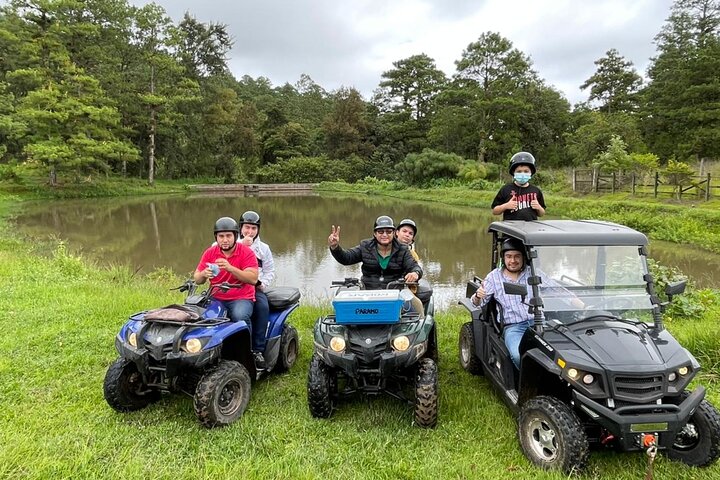
Honduras Nature Experience: Day-to-Night Hike to Uyuca Vista near Tegucigalpa
from $860USD
Listed starting prices may vary by option, travel date and group size. Confirm the final total and availability on Viator. Sponsored links: we may earn a commission from qualifying bookings.
GET TO KNOW THE PLACE
Why Visit La Tigra National Park
Step into La Tigra and the city drops away: trunks draped in moss, mist threading the canopy and a chorus of birds that feels intimate and immediate. The park is a cloud-forest pocket where altitude and humidity conspire to keep the greenery dense and the air cool—perfect for clear-morning hikes and those close encounters with highland flora.
La Tigra’s geology and elevation create the conditions for a true cloud forest: persistent moisture, thick humus, and ancient trees that seem to hold the ridgelines in place. The terrain is a patchwork of ridges and gullies carved over millennia, and the soils feed a rich understory of epiphytes and ferns. Culturally, the park has long been a water source and natural buffer for Tegucigalpa; local communities and conservation groups have worked to protect its catchments. That protection gives visitors a compact but ecologically dense experience—an intense snapshot of Honduras’ highland ecosystems a short drive from urban services.
Practically, a visit to La Tigra is a manageable half-day or full-day adventure depending on how you stack it. Start early to catch the clearest views and the most active birds; fog will often lift mid-morning and roll back in by late afternoon. Trails can be narrow, rooty and slippery after rain, so plan for traction and slower pacing. Access is via a combination of paved and unpaved roads from Tegucigalpa; travel time is short, but road conditions vary, so allow extra time and consider a vehicle with some clearance. Prioritize the ridge viewpoints for fast payoff, then work into quieter understory loops if you have time.
From a planning standpoint, La Tigra pairs well with city-based lodging in Tegucigalpa and with nearby rural activities like coffee-farm visits and scenic drives down to lower valleys. If you want a deeper wildlife focus, book a guided bird or botany walk—local guides tune you into species and microhabitats you might otherwise miss. And because the park’s weather can flip between mist and sun within an hour, pack layers and a water-resistant shell. The combination of easy access, ecological richness, and compact trail options makes La Tigra an ideal addition for travelers who want a quick, high-elevation nature experience without a multi-day trek.
PLAN YOUR VISIT
When to go.
Best months
December, January, February, March, April
Weather
The dry season typically runs from late fall through spring with clearer trails and more stable mornings; the wet season brings frequent afternoon showers and greener forest conditions. Expect cool, damp mornings year-round in the cloud forest.
Peak season
Busiest during the dry-season holidays and weekends; plan early starts, and book guides or transportation ahead if you need a guided walk or limited vehicle services.
Beyond the peak
Visiting in the rainy months offers lush foliage and fewer people, but trails will be muddier and some routes may be slippery—choose firmer, well-drained paths and wear higher-traction footwear.
PACK WITH PURPOSE
What to bring.
optional
- Binoculars for birding
- Compact camera or action camera
- Picnic kit or reusable snack containers
essential
- Layered clothing for cool, variable temperatures
- At least 1–2 liters of water
- Sturdy, grippy hiking shoes or boots
- Sun protection (hat, sunglasses, sunscreen)
- Offline map or GPS and a charged phone
recommended
- Light rain shell or waterproof jacket
- Headlamp for early starts or late returns
- Trekking poles for slippery sections
- Small first-aid kit
- Insect repellent
FIND YOUR PACE
Choose your kind of adventure.
advanced
For experienced adventurers seeking longer, self-led navigation and early-start photo or birding missions into remote sections.
- All-day traverses of multiple ridgelines with route-finding
- Dawn-to-midday photographic expeditions focused on endemic species
- Extended back-to-back hikes linking lesser-used trails
beginner
Ideal for walkers and casual travelers who want short, accessible trails and abundant birdlife without long climbs.
- Short loop hikes to ridge viewpoints
- Early-morning birdwatching from established lookout points
- Photography and easy nature walks near the park entrance
intermediate
Suited to hikers comfortable with uneven, sometimes muddy trails who want longer ridge walks and deeper wildlife encounters.
- Full ridge hikes with steady elevation changes
- Guided birding or botany walks into quieter sectors
- Trail running on maintained routes during dry conditions
BEFORE YOU GO
Your questions, answered.
Do I need a guide to visit La Tigra?
A guide is not strictly required for basic loop trails, but a local guide enhances birding, botanical interpretation, and navigation on lesser-used paths.
How long should I allocate for a visit from Tegucigalpa?
Plan for a half-day (3–5 hours) to cover a ridge viewpoint and a short loop; a full day allows for multiple trails and a relaxed birding pace.
How do I get to the park from Tegucigalpa?
Access is typically by car or private transfer; roads near the park include paved and unpaved sections, so allow extra travel time and consider vehicle clearance.
Are the trails strenuous or well-marked?
Trails vary—many are moderate with roots and uneven ground; some secondary paths are less maintained, so wear good footwear and carry basic navigation aids.
What wildlife should I expect and is it safe?
Expect abundant birdlife, insects, and small mammals typical of cloud forest; wildlife encounters are generally safe—respect distance and store food securely.
Are there facilities like restrooms and food inside the park?
Basic park facilities may be limited; bring water and snacks and plan bathroom stops in Tegucigalpa before the visit or at designated park points if available.