

VAYCAI · ATTRACTION GUIDE
Tiwi Islands Visitor Guide
The Tiwi Islands pair Indigenous cultural immersion with saltwater exploration — think art centres and scenic boat rides stacked with wildlife viewing, fishing and short coastal walks. Treat a visit as a compact multi-day loop from Darwin: culture-focused mornings, water-based afternoons, and evenings spent learning Tiwi arts and stories.
Bathurst IslandMelville IslandArafura SeaDarwin Harbour
Explore experiences ↓Your guide to places, experiences, and adventures.
Get to know the place
Attractions worth a closer look.

ATTRACTION
Arnhem Land
Explore this place ↗
ATTRACTION
Mindil Beach, Darwin
Explore this place ↗
ATTRACTION
Bicentennial Park, Darwin, Northern Territory, Australia
Explore this place ↗
ATTRACTION
East Point Reserve — Darwin, Northern Territory, Australia
Explore this place ↗
ATTRACTION
Charles Darwin National Park
Explore this place ↗THE GOOD STUFF STARTS HERE
Experiences in Darwin.


Darwin, Australia
Jumping Croc Cruise & Berry Springs Day Tour: Fogg Dam and Humpty Doo Pub
from $190.51USD


Darwin, Australia
Darwin Historic Charms Private Walking Tour — Top Sights & Practical Guide
from $1,478.90USD

Darwin, Australia
Top End Safari Camp: 2-Day Outback Glamping, Croc Encounters & Airboat Adventure
from $608.95USD


Darwin, Australia
2-Day Litchfield & Kakadu: Yellow Water Sunrise, Cultural Walks and Waterfalls
from $1,054.61USD

Darwin, Australia
Full-Day Litchfield National Park Tour — Wangi, Florence, Buley & Berry Springs
from $149.69USD

Darwin, Australia
Small-Group Premium Litchfield Day Tour — Waterfalls, Swimming & Gourmet Lunch
from $193.91USD


Darwin, Australia
Full-Day Litchfield National Park & Jumping Crocodiles Tour from Darwin
from $180.20USD

Darwin, Australia
Darwin Sunset Dinner Cruise on Charles Darwin: Harbour Views & Territory Seafood
from $105.40USD


Darwin, Australia
Darwin’s Christmas Charm: Private Festive Walking Tour of Stokes Hill Wharf & Civic Park
from $1,276.36USD

Darwin, Australia
Darwin Harbour Territory Explorer Cruise with Lunch — Top End Harbour Lunch Cruise
from $59.84USD


Darwin, Australia
Darwin Cyclone: 30-Minute Helicopter Tour Over Coastline and Mangroves
from $319.60USD

Darwin, Australia
Litchfield Park Scenic Flight from Darwin — Aerial Tour Over Waterfalls & Magnetic Ant Hills
from $401.20USD

Darwin, Australia
Land-Based Barramundi Fishing Near Darwin: Hooked On Barra Experience
from $37.40USD

Listed starting prices may vary by option, travel date and group size. Confirm the final total and availability on Viator. Sponsored links: we may earn a commission from qualifying bookings.
GET TO KNOW THE PLACE
Why Visit the Tiwi Islands
A boat thrum, ochre walls, and ocean wind set the stage: the Tiwi Islands are a compact wilderness of sea, sky, and a living culture that welcomes visitors. Close to Darwin but distinct in rhythm, the islands reward travelers who want the intersect of Indigenous art, saltwater adventure, and focused wildlife viewing.
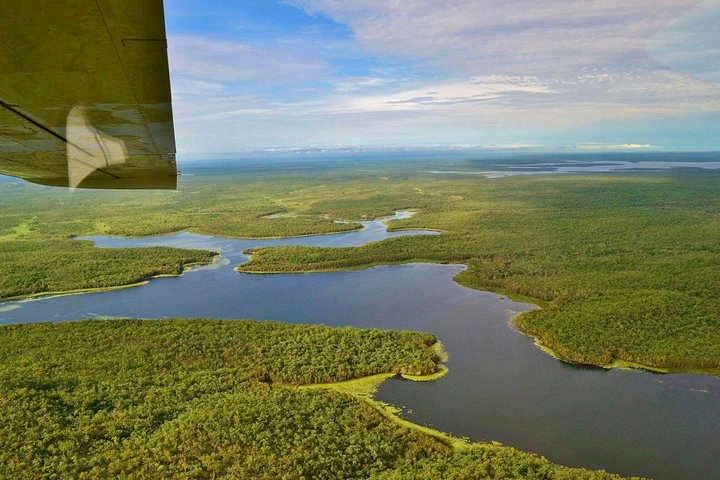
Arrive by charter or seasonal ferry and you feel the landscape shift. The coastline leans toward wide tidal flats and sculpted sandstone; mangroves plug the inlets and the sea nudges at every bay. Geologically the islands are part of a shallow continental shelf, shaped by tides and monsoon cycles, and that tidal motion creates dramatic birding and fishing windows. The ocean here is an active partner: it pushes and pulls, opens channels, and determines when paddling or snorkeling makes sense. Bring that rhythm into your planning rather than fighting it.
Culturally the Tiwi Islands are distinctive. The Tiwi people maintain strong traditions and a vibrant contemporary art scene; art centres and community-guided tours are the best way to experience that. Visits often combine demonstrations, community-led walks, and opportunities to buy directly from artists. Historically the islands’ isolation preserved language and ritual longer than many mainland areas, and stories are part of daily life. Respectful timing and following local guidance — especially around photography, sacred sites, and community events — is essential.
Practically, most visitors stack experiences over two to three days. Early mornings are for birding and calm water paddles; late mornings and afternoons suit art-centre time and short shore walks; evenings are for local meals and quiet shoreline watches. Access is by scheduled ferry or private charter; weather, tides, and community events affect schedules. For independent travelers, book transport and community visits in advance. For small-group travelers, combine a cultural visit with a fishing or scenic cruise to make the most of the islands’ compact geography.
PLAN YOUR VISIT
When to go.
Best months
May, June, July, August, September
Weather
The dry season brings lower humidity, milder temperatures, and calmer seas ideal for boat trips, while the wet season has higher humidity, heavy rains, and potential cyclone activity that can limit access. Tides and wind patterns strongly influence daily conditions.
Peak season
The busiest period aligns with the dry months (June–August); book ferry or charter spots and any community visits in advance, and plan early starts to avoid midday heat on outdoor activities.
Beyond the peak
Visit in shoulder months for lower prices and quieter visits, but expect more cancellations or limited services during the wet season and respect muddy terrain and restricted access on some shorelines.
PACK WITH PURPOSE
What to bring.
optional
- Binoculars for birdwatching
- Action camera or waterproof housing
- Compact picnic kit for sheltered beach lunches
essential
- Sun protection (hat, SPF sunscreen, sunglasses)
- Reusable water bottle and hydration system
- Sturdy traction footwear for rocky shorelines and slippery mangrove roots
- Light layers for warm days and breezy evenings
- Offline map or downloaded navigation on your phone
recommended
- Light rain shell for sudden tropical squalls
- Waterproof dry bag for electronics and documents
- Headlamp or compact torch for early starts and island evenings
- Lightweight trekking poles for uneven coastal walks
FIND YOUR PACE
Choose your kind of adventure.
advanced
Advanced adventurers pursue multi-day sea kayaking, remote fishing expeditions, and expedition-style itineraries that require navigation skills and self-sufficiency.
- Multi-day sea kayaking between sheltered bays
- Offshore fishing charters to deeper waters
- Independent expedition-style camping with tide planning
beginner
Beginner-friendly visits focus on short guided cultural walks, calm sheltered cruises, and easy wildlife watching from shore or boat.
- Guided art-centre and community visits
- Calm-water scenic boat cruise
- Shore-based birdwatching and short coastal strolls
intermediate
Intermediate travelers can combine fishing charters, snorkeling in protected bays, and longer guided beach and mangrove walks that require basic sea-awareness.
- Half-day fishing charter
- Snorkeling in protected bays (when conditions allow)
- Guided coastal and mangrove exploration
BEFORE YOU GO
Your questions, answered.
Do I need a guide to visit cultural sites on the Tiwi Islands?
Many cultural sites and community visits are guided or require permission; travel with a community-accredited guide to ensure respectful access and a meaningful experience.
How do I get from Darwin to the Tiwi Islands?
Most travelers take a scheduled ferry or book a private charter vessel; small plane charters are also an option. Schedules vary seasonally, so confirm and reserve in advance.
Are there hiking trails on the islands?
There are short coastal and bush walks rather than long marked trails; plan for uneven terrain, tidal limitations, and follow local guidance on where to walk.
Is wildlife viewing good year-round?
Dry season offers the most reliable birding and calm-water wildlife viewing; wet season brings lush scenery but can reduce boat access and increase mosquitoes.
Can I do fishing, snorkeling, or kayaking?
Yes—fishing charters, sheltered snorkeling and sea kayaking are possible when sea conditions are calm; book experienced operators who know local tides and marine hazards.
How long should I plan to stay?
Two to three days is typical to experience culture, a boat trip, and short walks; add more time if you want extended fishing or multi-day paddling.