




GET TO KNOW THE PLACE
Why Colo-i-Suva Forest Park
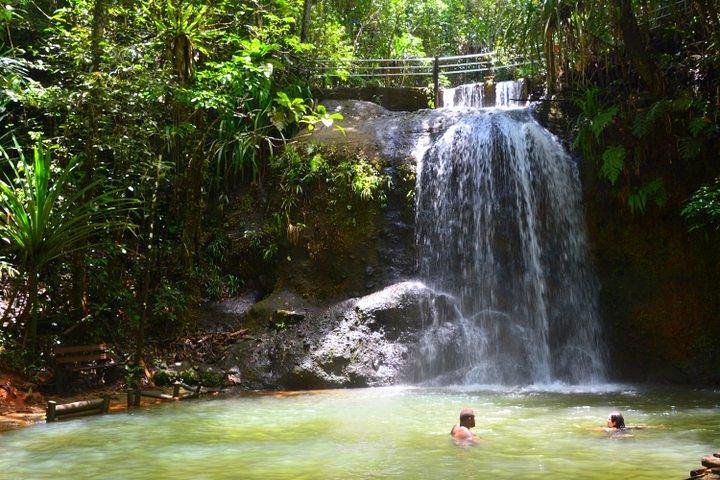
Step beneath a canopy that nudges the noise of Suva into silence. Colo-i-Suva is a living classroom of tropical hardwoods, vines and waterfalls—compact enough for a half-day exploration but rich with sensory detail: the smell of wet earth, the chatter of birds, and water that dares you to take a dip.
The forest sits on steep, volcanic slopes that funnel rain into a network of streams and swimming holes; geology here is less about dramatic peaks and more about the persistence of water shaping rock and soil. Indigenous and colonial history overlap in these hills: the park preserves wilderness that has long been part of local life for hunting, medicinal plants, and seasonal gathering. Today, communities around Suva treat the park as a public backyard—accessible, cared for, and used for recreation and education. Walking the trails, you notice a dialogue between past and present in trail-cutting, signage, and the occasional interpretive post.
Weather patterns define how you experience the place. The drier months keep trails firm and make viewpoint scrambling straightforward; the wet season pushes waterfalls into heavy voice and makes crossing streams an exercise in care. Wildlife is steady rather than flashy—small birds that flit through understory, frogs that respond to the day’s humidity, and the quiet presence of endemic plant species. Nature here has a subtle agency: the river will pull you toward its pools, and the ridgeline will hold your view long enough for a photograph. Respect for those currents and slopes keeps visits safe and enjoyable.
From a planning perspective, Colo-i-Suva stacks well with urban time in Suva. Do a morning loop of the main trails, swim at a designated pool, then return to town for lunch and markets. Access is straightforward from central Suva by taxi or a short drive, and trails are well marked though variable in steepness—prioritize proper footwear and start early to avoid heat and afternoon showers. If you want bookings or a packaged day that includes guides, transport, and local interpretation, the logistics are simple for a travel agent to arrange and even easier to enjoy when someone else handles timing and permits.