


Denver, United States
Groovy Golden Scavenger Hunt Denver — Interactive City Scavenger Hunt with Live Host
from $29USD

VAYCAI · ATTRACTION GUIDE
Washington Park mixes flat, fast loops for runners and cyclists with lawns, ornamental gardens, and two serene lakes; stack a morning jog or bike loop with an afternoon picnic and a sunset skyline view. It’s close to downtown Denver, making it easy to combine active outdoor time with breweries and neighborhoods nearby.
Your guide to places, experiences, and adventures.
Get to know the place
THE GOOD STUFF STARTS HERE
Denver, United States

Denver, United States

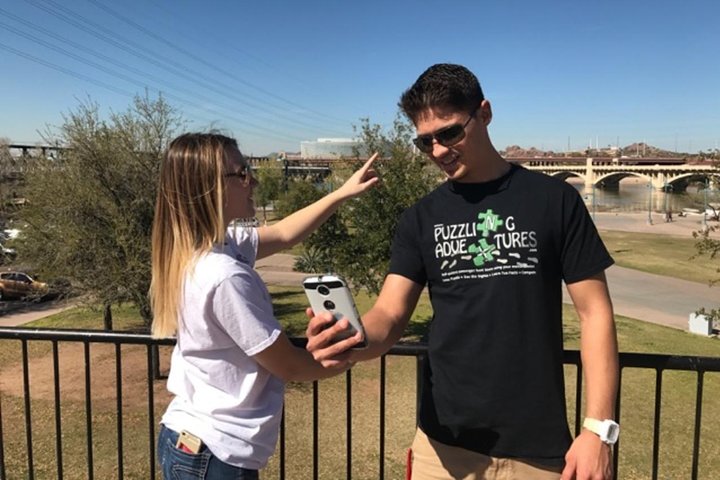
Denver, United States

Denver, United States
Listed starting prices may vary by option, travel date and group size. Confirm the final total and availability on Viator. Sponsored links: we may earn a commission from qualifying bookings.
GET TO KNOW THE PLACE
Step into Washington Park and you enter a blend of urban energy and outdoor ease—the kind of place where the grass seems to invite a pause and the path asks you to move. The park’s loops, gardens, and lakes make it a natural staging ground for a half-day of activity or a restful day between mountain trips.
Morning in Washington Park reads like a short adventure: light pushes through cottonwood branches, joggers tag the outer loop and cyclists thread the inner lanes. The park’s two lakes catch light differently across the year; in spring bulb beds push color against formal flowerbeds, and in autumn the trees turn warm and hold it. The park was designed in the early 20th century as a planned urban refuge, and that civic intention still shapes the experience—broad lawns, sheltered groves, and clear circulation that nudges visitors into movement or rest depending on what they came for.
Beneath the manicured surface is the practical geography of Denver: Washington Park sits on the high plains at the foot of the Rockies, so weather can shift quickly—blue-sky warmth can give way to a brisk wind from the mountains or an afternoon thunderstorm in summer. The cultural life around the park is neighborhood-forward; cafés, bike shops, and casual restaurants line nearby streets, making it easy to combine a brisk run or a family outing with a strong espresso or a local brew. For planners, the park’s proximity to downtown means you can stack experiences—morning cycling here, afternoon museum visits, and an evening trailhead drive toward the foothills—without long transfers.
To make the most of a visit: start early to avoid peak mid-morning foot traffic, choose a weekday for quieter loops, and link your ride to the Cherry Creek Trail when you want a longer distance without complicated logistics. The park is flat and approachable, but its high-elevation setting affects effort and hydration needs; plan shorter loops until you gauge how your body responds. If you’re traveling from out of state, budget for time to acclimate, and let weather guide whether you stretch into mountain adventures the same day.
PLAN YOUR VISIT
May, June, September, October
Late spring and early fall bring cooler, stable days ideal for running and cycling; summers are warm with possible afternoon thunderstorms and winters can be cold with occasional snow. High-elevation sun and quick weather changes are normal year-round.
Late spring through early fall is busiest, especially weekends and mornings; plan to start early, book nearby dining or rentals ahead, and choose weekdays for quieter loops.
Winter and late fall offer quieter lawns and clear skyline views with far fewer visitors; dress for cold and check for icy patches on paths before longer runs or rides.
PACK WITH PURPOSE
FIND YOUR PACE
Best for seasoned athletes using the park as a warm-up or recovery zone before technical outdoor sessions in the nearby foothills.
Approachable for newcomers and families looking for flat, short loops and gentle walks around lakes and gardens.
Suited to regular runners and cyclists wanting sustained effort or to connect to longer urban trails.
BEFORE YOU GO
No general park permit is required for day use; specialized events or commercial shoots may require permission from city parks authorities.
Dogs are welcome but must follow local leash laws; keep dogs under control and pack out waste to respect other visitors and wildlife.
Yes—bike shops and rental services operate in surrounding neighborhoods; reserving during peak season is a good idea.
Washington Park is generally safe and well-trafficked, but basic precautions—tell someone your route, carry ID and a phone, and be aware of changing weather—are recommended.
Plan 1–3 hours for a solid experience: a full lap, some time by the lakes, and a coffee or picnic. Combine with nearby trails or attractions for a half- or full-day itinerary.
Have a rain shell or warm layer handy and a backup plan like a nearby café, museum, or indoor fitness facility; summer storms can arrive quickly, so watch forecasts and lightning advisories.