
Hot Springs, United States
Hot Springs to Little Rock Airport Private Departure Transfer — Door-to-Door Service
from $126.05USD

VAYCAI · ATTRACTION GUIDE
Hot Springs pairs short, steep hikes in the Ouachita foothills with the unusual draw of thermal baths and a walkable historic downtown. Stack a morning ridge hike, an afternoon soak, and an evening scenic drive or paddle on nearby lakes to get a complete weekender's mix of fitness, relaxation, and local flavor.
Your guide to places, experiences, and adventures.
Get to know the place
THE GOOD STUFF STARTS HERE
Hot Springs, United States
Listed starting prices may vary by option, travel date and group size. Confirm the final total and availability on Viator. Sponsored links: we may earn a commission from qualifying bookings.
GET TO KNOW THE PLACE
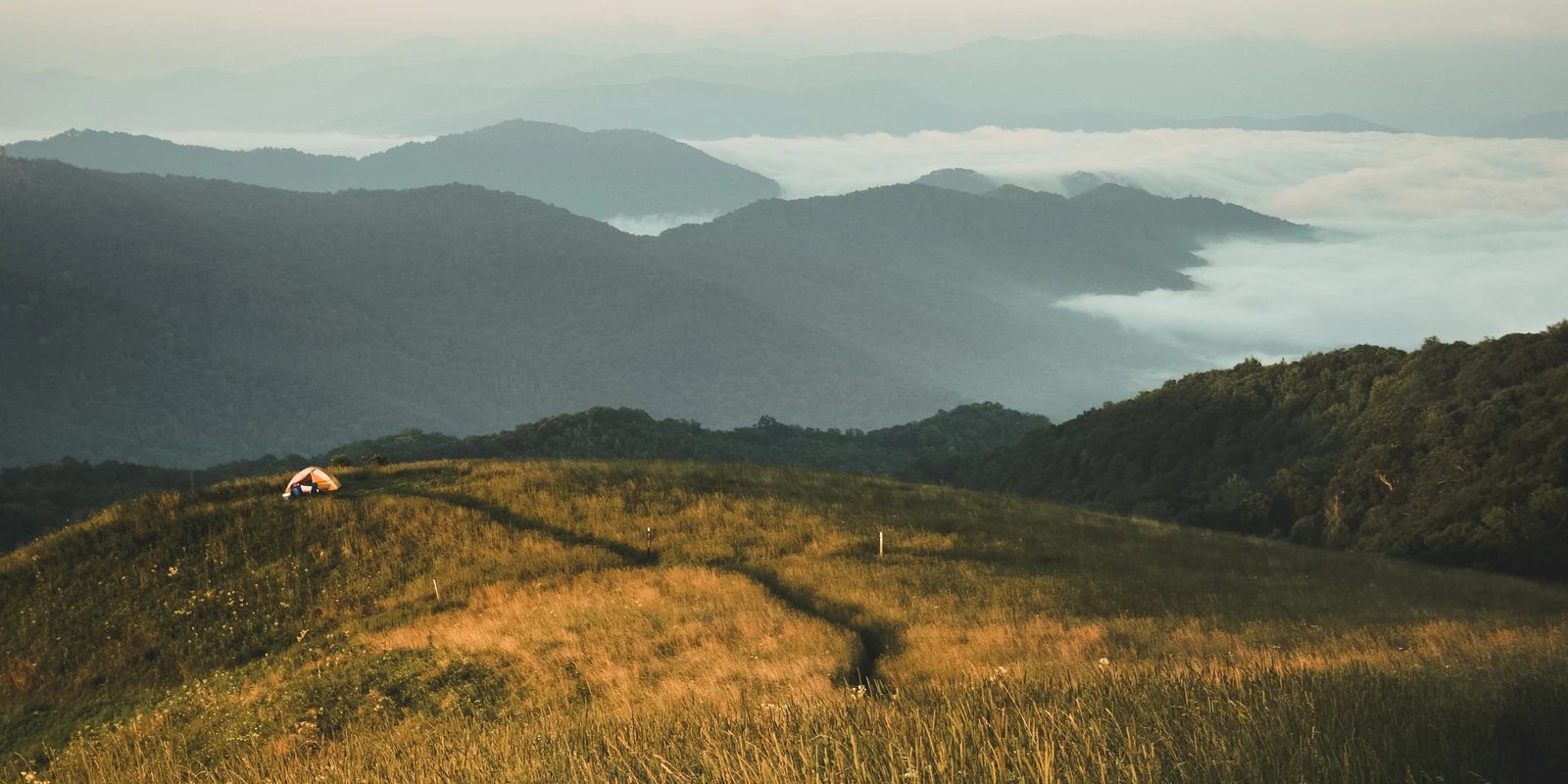
Walk into Hot Springs and you notice two rhythms: the uphill cadence of forest trails and the slow, mineral-soft pull of the springs. The park’s compact footprint makes it friendly for short-stay adventurers who want to pair physical activity with restorative downtime. Trails nudge you into oak-pine ridgelines; hot water gathers in historic bathhouses that recall early wellness tourism.
Hot Springs sits on a geologic quirk: groundwater warmed by buried rock rises through fractures and has shaped human activity here for centuries. Indigenous peoples, European settlers, and later 19th-century visitors were drawn to the springs; today the preserved Bathhouse Row and city streets keep that layered history visible. The Ouachita Mountains themselves are older and lower than the Rockies, which means trails are often steep but short—perfect for repeated outings and for travelers who prefer bursts of effort to all-day alpine marches. Forested ridgelines hold views that open onto lakes and city rooftops, giving hikers quick payoff for a steep climb.
Culturally, Hot Springs balances a small-town Arkansas civic feel with tourism shaped around wellness and outdoor recreation. The downtown is compact and walkable; grab a hearty café breakfast, load a daypack, and you can be on a trailhead in minutes. Practical timing matters: summers bring heat and frequent afternoon storms; shoulder seasons offer clearer hiking weather and milder conditions for paddling. If you want to prioritize solitude, head to less-trafficked backroads and trail spurs on weekdays, or rise early for first-light hikes and lakeside views.
For planning, think in modules: a morning trail loop, a late-morning soak, an afternoon paddle or scenic drive, and an evening stroll on Bathhouse Row. Lodging ranges from downtown inns to lakeside rentals, and many visitors appreciate bringing layers and traction footwear because trails can be rooty and damp. Permit requirements are minimal for day recreation, but equipment rentals, guided hikes, and bath reservations are useful bookings to make in advance during busier months.
PLAN YOUR VISIT
April, May, September, October
Spring and fall deliver mild days and cooler nights ideal for hiking; summer is warm and humid with frequent afternoon storms, and winter is generally quiet with occasional icy patches on shaded trails.
Peak visitation occurs in summer and holiday weekends when families and day-trippers arrive; plan ahead by booking accommodations and any bathhouse treatments or guided activities early and aim for morning starts to avoid crowds.
Off-season—late fall through winter—offers lower prices and solitude; be mindful of muddy or icy trails, choose lower-elevation loops, and check access for any winterized services.
PACK WITH PURPOSE
FIND YOUR PACE
Advanced itineraries string together sustained elevation gain, technical singletrack nearby, and early starts to pack more mileage into short daylight windows.
Beginner-friendly options include short, well-marked loops and gentle lakeside walks paired with restorative soak time.
Intermediate travelers can combine multiple steep loops, longer paddles, and a few service-road climbs for stronger aerobic days.
BEFORE YOU GO
Some bathhouse treatments and private soak services recommend or require reservations, especially on weekends; casual visits to historic buildings may not need bookings but check specific operators ahead of arrival.
Yes, many trails welcome dogs on leash; bring water for your pet and be prepared for short steep sections and rocky footing.
You can sample highlights in a full day—one morning hike, a soak, and an afternoon lakeside activity—or extend to a long weekend to add scenic drives and more remote trails.
Nearby service roads and multi-use trails allow for mountain biking; access varies by route so confirm trail designations and seasonal closures before riding.
The nearest regional airports require a short drive; a rental car is the most flexible option for reaching trailheads, lakes, and dispersed trail networks.
Afternoon thunderstorms are common in summer, so schedule hikes early, carry a rain shell, and have a backup indoor plan like a bathhouse visit or museum stop.