

VAYCAI · ATTRACTION GUIDE
Sumilon Island Visitor Guide
A compact coral island off Oslob that stacks blue-water activities and short coastal hikes into a single day trip or a quiet overnight. Visitors can combine snorkeling over protected reefs, a walk across the island’s shifting sandbar, and a brief ridge climb for a panoramic view—making Sumilon a straightforward, high-value stop on a southern Cebu itinerary.
Sumilon IslandOslobTan-awanCamotes Sea
Explore experiences ↓Your guide to places, experiences, and adventures.
THE GOOD STUFF STARTS HERE
Experiences in Oslob.


Oslob, Philippines
Oslob Whale Shark Watching and Kawasan Canyoneering: Full-Day Cebu Adventure
from $150USD

Oslob, Philippines
Oslob Whale Sharks, Canyoneering & Kawasan Falls — Day Trip to Sumilon Sandbar
from $180USD

Oslob, Philippines
Whale Sharks to Waterfalls: Oslob, Tumalog & Kawasan Falls Day Trip from Cebu
from $360USD


Oslob, Philippines
Cebu Day-Trip: Oslob Whale Sharks, Sumilon Sandbar & Kawasan Canyoneering
from $153.85USD
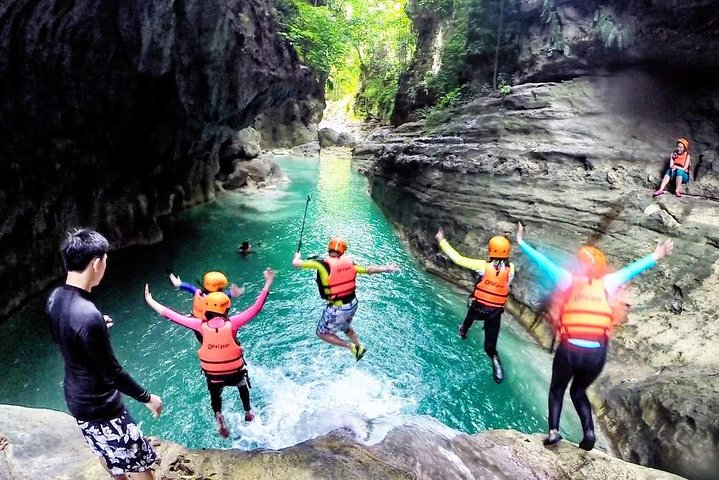

Oslob, Philippines
Whale Shark Watching & Kawasan Canyoneering: One-Day Oslob to Badian Adventure
from $110USD


Oslob, Philippines
Swim with Oslob Whale Sharks & Trek Aguinid Falls — Day Trip from Cebu
from $178USD
Oslob, Philippines
Full-Day Oslob Whale Shark Encounter, Moalboal Sardines & Monkey Sanctuary from Cebu
from $135USD


Oslob, Philippines
Oslob Whale Shark Watching, Tumalog & Kawasan Falls: Private Full-Day Adventure
from $150USD


Oslob, Philippines
Oslob Whale Shark Swim and Kawasan Falls Day Tour — Swim, Trek & Waterfalls
from $199USD


Oslob, Philippines
Oslob Whale Shark Swim and Kawasan Falls Canyoneering: One-Day Cebu Adventure
from $173USD

Listed starting prices may vary by option, travel date and group size. Confirm the final total and availability on Viator. Sponsored links: we may earn a commission from qualifying bookings.
GET TO KNOW THE PLACE
Why Sumilon Island Deserves a Slot on Your Cebu Itinerary
Step off the wooden banka and the sea rearranges itself around the island: turquoise lapping against rocky headlands, a crescent sandbar that appears like a white stroke at low tide, and reefs that invite a quick snorkel. Sumilon’s compact scale lets you mix easy water time with a short walk to a viewpoint, folding bright, active hours into the larger rhythm of southern Cebu travel.
Sumilon Island sits at the hinge between reef and open sea, its geology born of coral uplift and volcanic bedding. The sandbar is a living feature—winds and currents nudge it daily—so the island’s topography feels animated rather than static. Historically, Sumilon has been a stopover for coastal communities and fishermen; more recently it’s been managed with a mix of small resort operations and protected marine areas. That management helps preserve snorkeling sites close to shore, where shallow gardens of corals and reef fish are accessible from a short boat ride and a few minutes’ swim.
Planning practicalities are simple: most visitors arrive from Oslob by scheduled banca or resort boat, making Sumilon an easy half-day excursion or a relaxed overnight where you exchange the mainland’s bustle for low-slung cottages and evening tides. Time your visit to avoid mid-day crowds on the sandbar and to get the best water visibility in the morning. The island’s highest point is a modest climb—expect uneven steps and loose rock—but the view across the Camotes Sea rewards the effort with a broad sweep of islands and blue that feels both immediate and vast.
Local culture is visible in small ways—fisherfolk tending nets, simple beachside cookouts, and friendly guides who know tide patterns by memory. Respect for the reef matters: wear reef-safe sunscreen, avoid touching coral, and ask before handling marine life. Weather is tropical and can shift quickly; if winds pick up the boat operators will advise changes to plans. For travelers stacking experiences, pair Sumilon with an early-morning whale-shark watch in Oslob or a mainland waterfall visit later in the day to keep transit efficient and daylight well used.
PLAN YOUR VISIT
When to go.
Best months
March, April, May, November
Weather
The clearest, calmest water for snorkeling typically occurs in the dry months; the southwest monsoon brings more rain and wind that can reduce visibility and move the sandbar. Afternoon showers are common in the wet season.
Peak season
Peak local travel and holiday periods (usually around summer months and local holidays) bring the most visitors; plan early departures and book boat slots or overnight rooms ahead.
Beyond the peak
Shoulder months offer fewer crowds and better room rates, but be prepared for choppier water and occasional service reductions; avoid wading on sensitive reef when currents are strong.
PACK WITH PURPOSE
What to bring.
optional
- Binoculars for distant island watching
- Action camera or waterproof camera
- Compact picnic kit for sandbar lunches
essential
- Light layers and quick-dry clothing
- Plenty of water and snacks
- Traction footwear for rocky shorelines
- Reef-safe sunscreen and sun hat
- Waterproof phone case or dry bag
recommended
- Light rain shell (tropical showers are possible)
- Snorkel mask if you prefer your own fit
- Water shoes or sandals with grip
- Light daypack for gear
FIND YOUR PACE
Choose your kind of adventure.
advanced
More committed outings that require experience in navigation, rough-water paddling, or diving certification.
- Open-water scuba diving on offshore drop-offs
- Long-distance island-hopping by private boat
- Technical snorkeling or freediving in deeper reef channels
beginner
Easygoing activities focused on gentle water access and short walks, suitable for most travelers and families.
- Shallow snorkeling near protected reef patches
- Strolling the sandbar at low tide
- Beachcombing and short shoreline swims
intermediate
A step up: longer snorkels, guided island-hopping, and a moderate viewpoint climb that requires steady footing.
- Guided boat snorkel to multiple reef sites
- Paddle around nearby coves in a kayak
- Hike to the island viewpoint and coastal ridgeline
BEFORE YOU GO
Your questions, answered.
How do I get to Sumilon Island from Cebu City?
Most travelers transfer by road to Oslob and then take a short boat from the Oslob docks; private transfers and group boats are both common—expect the mainland drive to be the longest leg of the trip.
Can I snorkel off the beach or do I need a boat?
Much of the island’s best snorkeling is accessible with a short boat ride to protected spots, though some shallow reefs are reachable from shore depending on tide and sea conditions.
Is it worth staying overnight on Sumilon?
Yes, an overnight lets you avoid day-trip crowds, see sunrise on the sandbar, and enjoy calmer late-afternoon water; accommodation options are limited, so book ahead for weekends.
Are there safety or conservation rules I should know?
Follow local guide instructions, use reef-safe sunscreen, avoid standing on coral, and check if specific marine areas are closed or have restrictions before touching or collecting anything.
How much time should I plan for a visit?
A well-paced visit can be a half to full day; include transfer time from Oslob, a snorkel session, sandbar time, and a short viewpoint walk if you want a complete experience.
What happens if weather turns bad?
Boat operators will advise cancellations or rescheduling; have flexible plans and ask your agent or operator about refund policies and alternative nearby activities.