
Chiang Mai, Thailand
Ethical Elephant Observation Near Chiang Mai: Half-Day Sanctuary Experience
from $64.61USD

VAYCAI · ATTRACTION GUIDE
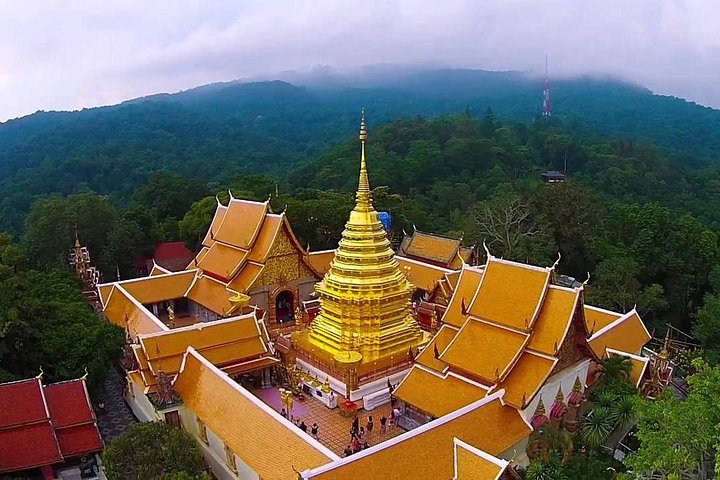
Wat Phra That Doi Kham sits on a low ridge southwest of Chiang Mai and combines a short uphill approach, panoramic viewpoints, and temple rituals into a half-day outing. Stack a sunrise temple visit with a scenic drive through the Mae Hia hills, a short forest walk, and a stop at a nearby market for street food. It's an easy add-on to Doi Suthep or a quiet alternative for an early morning vantage point.
Your guide to places, experiences, and adventures.
Get to know the place


THE GOOD STUFF STARTS HERE
Chiang Mai, Thailand

Chiang Mai, Thailand

Chiang Mai, Thailand


Chiang Mai, Thailand
Chiang Mai, Thailand

Chiang Mai, Thailand

Chiang Mai, Thailand
Chiang Mai, Thailand


Chiang Mai, Thailand

Chiang Mai, Thailand

Chiang Mai, Thailand

Chiang Mai, Thailand

Chiang Mai, Thailand

Chiang Mai, Thailand

Chiang Mai, Thailand

Chiang Mai, Thailand

Chiang Mai, Thailand

Chiang Mai, Thailand

Chiang Mai, Thailand


Chiang Mai, Thailand
Listed starting prices may vary by option, travel date and group size. Confirm the final total and availability on Viator. Sponsored links: we may earn a commission from qualifying bookings.
GET TO KNOW THE PLACE
Perched on a modest summit with a gilded chedi that catches first light, Doi Kham is a practical mountain escape from Chiang Mai’s bustle. The approach is short and accessible, and the payoff is panoramic—valley floors, distant ridgelines, and the city’s tiled roofs. It’s ideal for travelers who want a layered day: cultural ritual, brief forest walk, and scenic driving without committing to a full-day trek.
You arrive with the city still rubbing sleep from its eyes. The road climbs through small farms and tamarind trees; leaves stir as if nudging you uphill. At the temple, the chedi’s gold reflects the dawn and worshippers thread garlands, incense curling like a memory. Historically, hilltop stupas like Doi Kham serve both devotion and orientation—markers on the landscape—and this one is no different: it anchors local belief and offers an easy vantage to read Chiang Mai’s topography. The human scale here is forgiving: short stairs, open courtyards, and viewpoints that invite lingering rather than a hurried photograph.
Geologically the ridge is a gentle outcrop of the same upland that shapes much of northern Thailand: forested slopes that hold water in the wet months and dry to a faded green in the hot season. That pattern dictates how you plan. For clear-air views and cooler mornings, visit in the dry season; for quieter lanes and lower prices, consider shoulder months when the valley mists still rise. Practically, pair the temple visit with nearby outdoor options: a short forest circuit, a scenic drive through orchards, or a cycling loop on secondary roads. Routes are mostly paved to the temple, so even casual riders can combine two-wheeled exploration with cultural stops.
To make the most of a Doi Kham day, prioritize timing and respect. Sunrise and early morning give the clearest light and the smallest crowds; late afternoons can be beautiful for sunset but busier. Allow time to observe temple etiquette—modest clothing, quiet behavior—and to explore lookout points that face different compass directions. If you’re stacking this with Doi Suthep or a wider day in the hills, build in travel time for winding roads and occasional traffic. For a compact adventure that blends simple hiking, scenic driving, and cultural immersion, Wat Phra That Doi Kham is efficient and rewarding.
PLAN YOUR VISIT
November, December, January, February
Chiang Mai has a cool, dry season from November through February that offers the clearest hiking and temple-weather; March to May is hot and hazy; June through October brings the southwest monsoon with frequent heavy showers.
The busiest period is November through early February when the weather is most comfortable; expect higher visitor numbers and book early for accommodations and guided tours, especially around major festivals.
Visiting during the rainy months can mean fewer crowds and lower prices, but expect muddy secondary trails and occasional road closures—bring waterproof gear and plan for shorter outdoor windows.
PACK WITH PURPOSE
FIND YOUR PACE
For experienced outdoor travelers looking to extend the day into technical rides or multiple-peak routes.
Ideal for travelers seeking a low-effort cultural stop with easy walking and panoramic views.
For active travelers who want to combine short hikes or cycling with cultural stops.
BEFORE YOU GO
No; the temple is straightforward to visit independently, but a local guide or driver can handle timing for sunrise and explain cultural context.
Plan 1.5–3 hours for sunrise or a relaxed temple visit plus viewpoint time; stack additional hours if combining with a scenic drive or cycling loop.
Most visitors use a private car, taxi, or rented motorbike; travel time varies with traffic but is typically under an hour from the Old City.
Yes; modest dress is expected—cover shoulders and knees—and remove shoes in shrine areas as a sign of respect.
Yes; the approach and grounds are generally safe in daylight, but exercise normal caution on stairs and slick surfaces after rain.
Yes; it’s common to pair Doi Kham with other nearby hill temples or scenic roads, but account for winding roads and allow extra transit time.