


VAYCAI · ATTRACTION GUIDE
Everglades National Park Visitor Guide
Stretching from fresh sawgrass marsh to mangrove-lined bays, the Everglades pairs slow-water paddling with short boardwalk hikes and world-class wildlife viewing. Stack a morning canoe trip with a midafternoon tram or bike loop and a sunset in the mangroves for a full sense of the place without overcommitting travel time.
Florida BayBig Cypress National PreserveShark ValleyFlamingo
Explore experiences ↓Your guide to places, experiences, and adventures.
Get to know the place
Attractions worth a closer look.
THE GOOD STUFF STARTS HERE
Experiences in Orlando.

Orlando, United States
Orlando Moonshine Distillery Tour and Tasting at Vineland Premium Outlets
from $60USD


Orlando, United States
Orlando Murder Mystery Quest — GPS Detective Escape Walk Through Downtown
from $5.99USD


Orlando, United States
Orlando's Chocolate Kingdom: Factory Adventure Tour & Bean-to-Bar Experience
from $24USD


Orlando, United States
Private MCO to Universal Resorts Transfer — Fast Door-to-Door Service
from $54USD

Orlando, United States
Private Transfer Orlando MCO to International Drive South | Door-to-Door Airport Ride
from $158.46USD


Orlando, United States
Private Transfer from Orlando International Airport to Central Florida
from $115USD

Orlando, United States
Orlando Private Transfer: Disney & Universal to MCO — Fast, Reliable Airport Ride
from $90USD

Orlando, United States
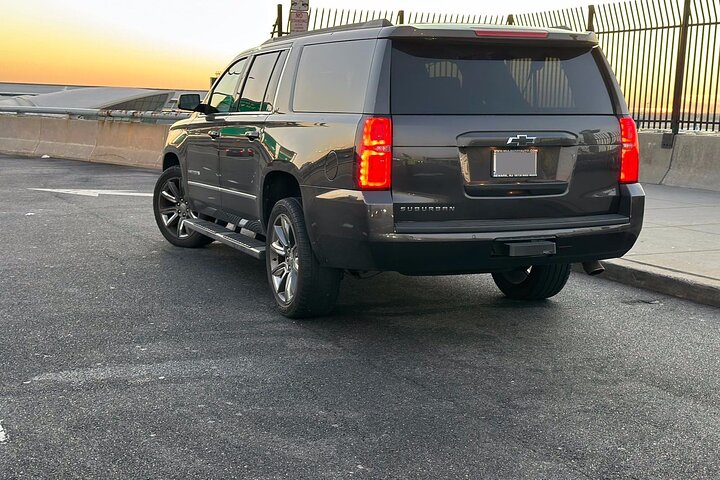
Orlando Airport MCO Round-Trip Private SUV Transfer — Direct Door-to-Door Service
from $225.68USD
Orlando, United States
Orlando Airport (MCO) to Miami Private Arrival Transfer — Door-to-Door Service
from $563USD

Orlando, United States
Private Transfer MCO to Lake Buena Vista Hotels — Door-to-Door Suburban Service
from $47.50USD

Orlando, United States
Orlando Eye at ICON Park — 360° Views from a 400-Foot Observation Wheel
from $31.94USD

Orlando, United States
Boca Raton to Universal Orlando by Brightline: Full-Day Rail Excursion
from $349.99USD

Orlando, United States
Orlando Smart Start Kayaking Course: Learn Flatwater Paddling in 3 Hours
from $95USD

Orlando, United States
Orlando Nightlife: Private Clubbing & VIP Transportation Experience
from $147USD


Listed starting prices may vary by option, travel date and group size. Confirm the final total and availability on Viator. Sponsored links: we may earn a commission from qualifying bookings.
GET TO KNOW THE PLACE
Why Visit the Everglades
The Everglades is a landscape that moves at its own pace—tides nudge channels open, wind teases the sawgrass, and wading birds punctuate the horizon. It’s a place where a paddle wins you closer access to wildlife and a short trail can feel like an expedition; both stack into a compact, achievable outdoor itinerary from Orlando.
You arrive to a tapestry of water and grass that was shaped over millennia by shifting seas and rivers. Geologically recent, the Everglades is the terminus of a slow, wide river that once carried freshwater from central Florida to the sea, depositing peat and creating the sawgrass prairies and mangrove estuaries you see today. Native communities and early explorers read this landscape differently than the tourist maps: its routes are defined by water flow and tidal reach, not roads. That history—of ecological richness, human stewardship, and changing water management—shows up in the park’s interpretive sites and ranger-led talks.
From a planning perspective, the park rewards a layered approach. Mornings are best for paddling and bird activity; the water calms and wildlife is most visible. Midday is prime for a short visitor-center loop or tram ride when shade and explanations make the heat easier to handle. Late afternoons reveal the mangroves’ silhouette against a long sunset. Access points are dotted; some involve short boardwalks and accessible trails while others require a boat or a guided trip to reach deeper backcountry areas. Water levels vary seasonally—low water in the dry months exposes mudflats and concentrates wildlife, while the wet season opens more paddling routes but brings humidity and afternoon storms. Pack to shift between both worlds: protection from sun and insects, a reliable water container, and footwear that handles both mud and boardwalks.
Prioritize experiences that match your tolerance for humidity and bugs: short, interpretive walks and tram or bike loops give high wildlife yield with minimal planning, while self-guided canoe or kayak trips and overnight backcountry camping offer solitude and a deeper relationship with tidal rhythms. Guided outings are particularly valuable if you want to reach mangrove channels or learn the local ecology—guides read currents and wildlife cues in ways that shorten the learning curve. Above all, factor timing and tides into any water plan and build contingency for thunderstorms; the Everglades is alive with sudden weather and it will change your day if you aren't prepared.
PLAN YOUR VISIT
When to go.
Best months
December, January, February, March, April
Weather
The dry season offers lower humidity, fewer bugs, and clearer wildlife viewing; summer brings high heat, daily thunderstorms, and higher water levels that open more paddling routes.
Peak season
Winter and early spring are the busiest months as visitors seek cooler weather; plan to arrive early, reserve guided trips and nearby lodging in advance.
Beyond the peak
Summer and fall offer lower rates and expanded paddling corridors, but expect heat, insects, and increased chance of afternoon storms—choose morning outings and follow wet-weather etiquette.
PACK WITH PURPOSE
What to bring.
optional
- Binoculars for birding
- Action camera or waterproof phone case
- Compact picnic kit
essential
- Hydration system or water bottles (ample capacity)
- Sun protection (hat, sunscreen, UV shirt)
- Traction footwear or closed-toe water shoes
- Light layers and a breathable rain shell
- Offline map or downloaded GPS route
recommended
- Insect repellent and head net
- Dry bag for electronics
- Headlamp or small flashlight
- Trekking poles or paddle support strap
FIND YOUR PACE
Choose your kind of adventure.
advanced
For experienced paddlers and backcountry travelers seeking multi-day logistics and remote watercraft navigation.
- Multi-day backcountry paddling and island hopping toward the bay
- Navigation-focused sea- or coastal-kayaking in tidal environments
- Extended wilderness camping with route and water-level planning
beginner
Great for newcomers who want manageable outings and high wildlife payoff without technical skills.
- Short boardwalk walks and interpretive trails
- Guided wildlife- and birding boat tours
- Visitor-center exhibits and tram or bike loops
intermediate
For travelers comfortable with longer hours outside who want to mix paddling and self-guided exploration.
- Half-day solo kayak or canoe paddles in protected channels
- Self-guided bike loops and roadside wildlife stops
- Day paddles into nearshore mangrove areas with tide planning
BEFORE YOU GO
Your questions, answered.
Do I need a guide to explore the Everglades?
No—many visitor areas and boardwalks are self-guided—but guides are strongly recommended for deeper mangrove channels, backcountry paddles, and to shorten the learning curve on tides and wildlife behavior.
How much time should I plan for a first visit?
Plan at least one full day to sample a tram/bike loop, a short boardwalk hike, and a guided or rental paddle; two to three days lets you add a backcountry or extended paddling excursion.
Are there safety concerns unique to this park?
Yes—heat, sun exposure, insects, and sudden afternoon storms are common; also be mindful of water levels and wildlife distance. Carry water, sun protection, insect repellent, and tell someone your route.
Can I drive through the park and see wildlife from my car?
Yes—scenic roads and roadside pullouts offer wildlife viewing, but the best sightings often require short walks, trams, or paddles to reach quieter habitat.
Are off-trail hikes permitted?
Off-trail travel in wetlands and marshes is generally discouraged; stay on designated trails and follow park guidance to protect fragile habitats and ensure safety.
What if the weather turns during my planned paddle?
Have a contingency plan: check forecasts, know the nearest take-out points, carry a VHF or charged phone in a dry bag, and consider guided trips that monitor conditions.