THE ADVENTURE COLLECTIVE FIELD NOTES
A closer look at the journey.
Fog lifts off a Paro valley morning as a single prayer flag flutters across the ridge, and you begin to feel the country’s pace — deliberate and steeped in ritual.
This five‑day loop from Paro to Thimphu and Punakha threads short hikes through pine and rhododendron, a night inside a working monastery, and the climax: the Tiger’s Nest (Taktsang) climb that perches at roughly 3,120 m, about 900 m above Paro valley. Trails alternate between dirt switchbacks, stone steps and farm tracks; elevation gains are measured in steady climbs rather than technical scrambles. Expect 1–4 hour day hikes (Wangditse is 1–1.5 hours) and a higher, steeper ascent to Taktsang that takes 3–4 hours round trip for most walkers.
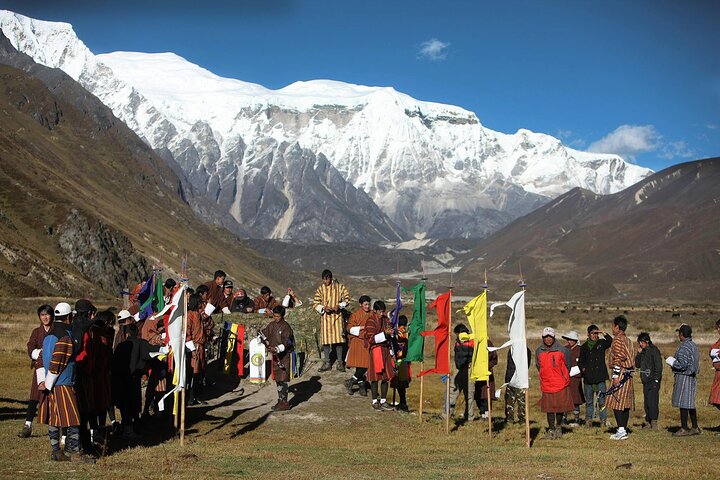
Bhutan’s landscape is young Himalayan foothills, folded sedimentary rock and narrow river valleys where dzongs—fortress‑monasteries—watch strategic confluences. Culture is woven into routes: ritual flags, butter‑lamp shrines, and monastic chants are everyday landmarks. Local guides bring context: the Dochu La pass at 3,100 m with its 108 chortens recalls wartime history and modern devotion.
Practical edge: altitude matters — move slowly, hydrate, and favor layered clothing; trails can be muddy after rain and icy at higher passes in winter. Footwear with good grip, trekking poles and sun protection make ascents and descents safer. Plan arrival with a night in Paro to acclimatize, and reserve time to visit Punakha Dzong and the quieter village temples where farmers still practice age‑old rituals.
This itinerary blends cultural immersion with achievable hiking, ideal for travelers who want storytelling and steady climbs rather than technical mountaineering.
Things to know before you go
Acclimatize in Paro
Spend your first full day at low activity to adjust to 2,200–3,100 m elevations before tackling higher passes or Taktsang.
Sturdy footwear
Trails include stone steps and muddy farm tracks — ankle‑supporting hiking shoes reduce slip risk on descents.
Hydrate and snack often
Carry 1–1.5 L water for day hikes and calorie-dense snacks; higher altitude increases dehydration risk.
Respect monastic rules
When staying at or visiting monasteries, wear modest clothing, be quiet during prayers and ask before photography.
Your questions, answered.
Do I need a visa and special fees to visit Bhutan?
Yes — most visitors require a visa and must pay Bhutan’s Sustainable Development Fee (SDF) which is typically collected as part of tour arrangements; confirm visa timing with your operator.
How hard is the Tiger’s Nest hike?
The ascent is a steady climb of roughly 2–3 hours one way for average hikers with a 900 m net rise from the valley base; it’s non‑technical but requires stamina and some steep steps.
Is the monastic stay appropriate for families?
Monastic guest houses welcome respectful visitors, including families, but expect simple accommodations and quiet evenings aligned with monastic schedules.
When is the best time to visit for clear views?
Autumn (Sept–Nov) often brings the clearest skies; spring offers rhododendron blooms but unpredictable showers at higher elevations.