THE ADVENTURE COLLECTIVE FIELD NOTES
A closer look at the journey.
You step out onto Sorobon’s low, sandy shallows and the wind greets you with a steady, salt-tinged push—warm water lapping at your ankles, instructor voice close from the support boat. Over five days the lagoon becomes a classroom: trainer kites on the beach, powerstrokes in waist-deep water, then the small, sharp shock of a successful waterstart when the board answers the kite.
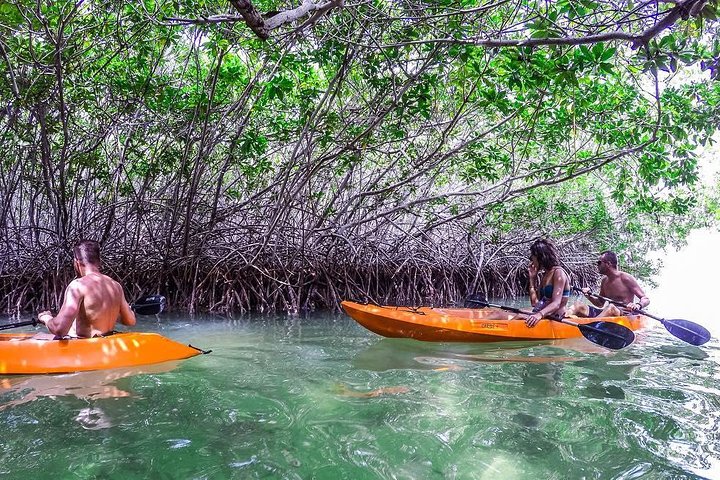
Bonaire’s coastline is shaped by coral plateaus and protected mangrove flats; the shallow geometry of Lac Bay makes it forgiving for learners while the offshore reef keeps open-ocean chop at bay. The island’s history of salt harvesting and Dutch Caribbean culture shows in weathered salt pans and Papiamento phrases drifting from local kiosks—simple reminders that this is a working island as much as a playground.
Expect practical progression: land drills, kite relaunch, body dragging, then board work and riding upwind. Lessons follow IKO-based methods and the instructor remains on a nearby boat for continuous communication and safety, so even nervous swimmers get focused attention.
Plan for sun, wind, and reef: reef-safe sunscreen, a short wetsuit or rashguard, and reef shoes make launches and shallow-water falls less painful. Mornings often offer cleaner conditions; afternoons can build thermals. Hydrate frequently, secure a snug harness, and pace sessions to avoid arm fatigue. By day five many students are riding upwind and ready to practise controlled jumps—this course turns steady trade winds into readable, learnable rhythm.
Things to know before you go
Arrive hydrated and rested
Daily two-hour sessions are intense—start well-hydrated and avoid heavy alcohol the night before to keep reaction times sharp.
Use reef-safe sunscreen
Bonaire’s coral is delicate; choose reef-safe sun protection and reapply after water sessions to protect reefs and skin.
Wear reef shoes for launches
Shallow, shelly bottoms can cut feet—light reef shoes make launches and swimming easier and safer.
Book morning slots for cleaner wind
Mornings usually have smoother, more consistent wind in Lac Bay; later thermals can create choppier conditions.
Your questions, answered.
Do I need prior kitesurfing experience?
No—this private course is designed for beginners through advanced riders, progressing step-by-step from trainer kites to waterstarts and upwind riding.
Is swimming ability required?
Yes—participants should be comfortable in open water and able to tread water; instructors provide close boat support for safety.
What equipment is provided?
The operator supplies all kite gear and safety equipment following IKO standards; bring personal reef shoes and sun protection.
What are typical wind conditions?
Bonaire offers steady trade winds year-round; mornings tend to be cleaner while afternoons can see thermal gusts—your instructor will choose optimal session times.