THE ADVENTURE COLLECTIVE FIELD NOTES
A closer look at the journey.
Morning light spills across Muscat’s corniche before the highway bends toward limestone cliffs and an emerald hole in the earth. At Bimmah Sinkhole, the rock yawns open and invites a swim; the Gulf murmurs just beyond. Farther along, Fins Beach flashes white sand and polished pebbles, then the road funnels into Wadi Shab, where a palm-lined gorge draws you in with a 35–40 minute hike over boulders and ledges. The pools are warm and clear; the canyon dares you to swim into a narrow cleft where a small waterfall hides in blue light.
The coast shifts to heritage in Sur, where dhow builders still coax wooden hulls into shape. After dark, the shore goes silent at Ras Al Jinz. Guides lead you softly along the sand; green sea turtles heave from the surf like old sailors returning, and the night sky keeps watch while nests are covered and new lives begin.
By day three, the desert takes the wheel. Wahiba Sands’ dunes push forward in waves and your 4WD surges along their spines, a controlled dance over soft sand. Wadi Bani Khalid resets the rhythm with an easy walk to turquoise pools—9 meters deep in places—perfect for cooling off before sunset returns you to the hush of the camp.
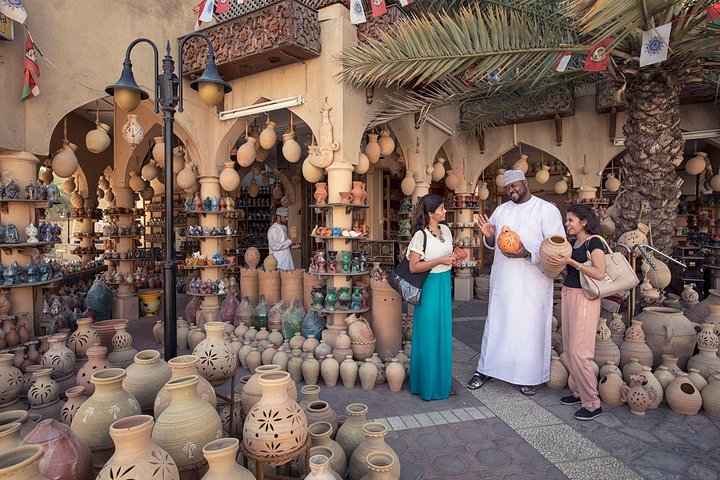
History threads the middle days: ruined watchtowers at Al Mudhaireb, the mudbrick lanes of Ibra, and Bronze Age beehive tombs at Zukait. In Birkat Al Moz, a UNESCO-listed falaj still feeds date palms, a living technology older than the forts. Nizwa anchors it all with a 17th‑century bastion and a souq where silver, spices, and Friday livestock auctions turn the morning into theater.
The Hajar Mountains rise next. Jabal Akhdar’s terraces bloom with pomegranates and roses, the air cooler and crisp. Then Jebel Shams, Oman’s highest peak, carves a 2,000‑meter chasm that steals the breath. The canyon edge tests your nerve while rock strata tell a story of ancient seas uplifted. Descending east, Wadi Bani Awf squeezes into Snake Canyon, cliffs leaning close as villages like Balad Sayt reveal stone lanes and stepped fields. Nakhal Fort closes the loop, its walls still squaring up to the mountains.
Practicalities: expect short walks most days and one moderate hike in Wadi Shab, plus off‑road drives on graded and rocky tracks. Hydration matters in dry air; the desert and coast run hot, while mountain nights can be cold. Modest clothing keeps you comfortable and culturally respectful. Turtles nest year‑round with peak activity May–September; flash and white lights are prohibited on the beach. This is Oman at its most compelling—water, rock, and sand each taking a turn to lead.
Things to know before you go
Wear grippy water footwear
Wadi Shab and Wadi Bani Khalid involve wet rock and smooth boulders—closed‑toe water shoes or sticky‑rubber sandals help prevent slips.
Respect turtle viewing rules
No flash, no white lights, no touching, and keep a quiet distance. Guides at Ras Al Jinz control lighting to protect nesting turtles.
Layer for altitude swings
Jebel Shams can drop near freezing in winter nights while the coast and desert soar—pack a light down jacket and a warm layer.
Hydrate and salt smart
Carry 2–3 liters per day plus electrolytes; the dry heat at sea level and on dunes dehydrates fast, even when you don’t feel sweaty.
Your questions, answered.
When is the best time of year for this trip?
October–April offers the most comfortable temperatures. Turtles nest year‑round at Ras Al Jinz, with peak activity from roughly May to September.
Do I need to be a strong swimmer for Wadi Shab?
Swimming enhances the experience but isn’t mandatory—you can stop at earlier pools. There are no lifeguards; flotation isn’t typically provided, so bring a compact aid if needed.
How rough are the roads?
Expect paved highways between hubs and 4x4 tracks in Wadi Bani Awf and on approach to Jebel Shams. Experienced local drivers handle the off‑road sections.
What accommodations are included?
A mix of hotels, a desert camp in Wahiba Sands, and a mountain resort near Jebel Shams, with daily breakfasts and several dinners included, plus bottled water.
Is the tour family‑friendly?
Yes. It suits families with school‑age kids who enjoy short walks, wildlife viewing, and scenic drives. Infant seats are available, but strollers aren’t practical on trails.
What should I wear to respect local culture?
Choose modest, breathable clothing that covers shoulders and knees in towns and villages. Swimwear is fine at wadis; cover up when leaving the water.