THE ADVENTURE COLLECTIVE FIELD NOTES
A closer look at the journey.
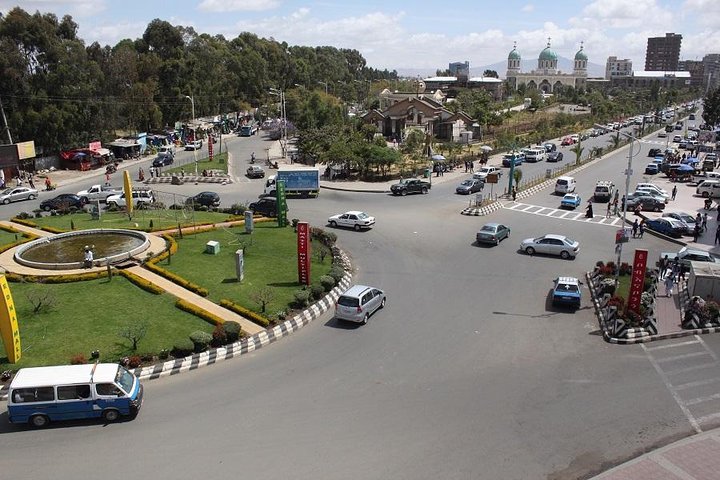
You stand on black sand under a sky the color of molten metal, a wind that smells of sulfur daring you to move closer. In the distance a blue glow winks from a volcano rim; camels cluster like patience itself along a salt caravan track. This 15‑day circuit threads Addis Ababa, Harar’s winding alleys, Awash’s river gorge, the surreal salt pans and hydrothermal fields of Dallol in the Danakil Depression, Erta Ale’s lava lake, and the highland stone churches of Tigray and Lalibela — finishing with Gondar, the Simien escarpments and Lake Tana.
Geologically the Danakil sits at one of Earth’s most active rift zones: low‑lying basins, exposed salt crusts and acid springs sit where the Arabian and African plates pull apart. Culturally the route walks through Afar salt‑caravan country and centuries‑old Christian highland traditions; you’ll see Afar salt cutters, Harari markets and rock‑hewn churches built into cliff faces that reflect Axumite engineering.
Expect varied terrain: desert tracks, salt flats that reflect the sun, short volcanic treks over loose rock, and highland trails with steep switchbacks. Nights can swing from blistering heat to near‑freezing at altitude; camps are basic and often remote. Practical tips: acclimatize in Mekele or Semera before Danakil, carry abundant water and sun protection, bring warm layers for ridge and night camps, and travel with local, permitted guides — permits and 4x4 logistics are required. This tour is immersive and demanding, rewarding those prepared to trade comfort for landscapes found nowhere else on the planet.
Things to know before you go
Hydration and electrolyte planning
Carry at least 3–4 liters of water per day in the lowlands and salt flats; add electrolyte tablets to avoid dehydration in extreme heat.
Acclimatize before Danakil
Spend a day or two in Semera or Mekele to adjust from Addis Ababa’s elevation before descending into the Danakil Depression.
Respect local customs
Ask before photographing people in Afar and Harar; dress modestly in towns and follow your guide’s advice during cultural visits.
Footwear and terrain
Use sturdy, broken‑in hiking boots with good traction for volcanic rock and salt crust; bring gaiters to keep salt and sand out.
Your questions, answered.
Do I need permits to visit the Danakil Depression?
Yes — travel to the Danakil typically requires permits and a local armed escort; reputable local operators arrange permits and logistics in advance.
How difficult is the trekking around Erta Ale and Dallol?
Trekking is short but on loose volcanic scree and hot desert sand; daily hikes are moderate but conditions (heat, sulfur fumes) increase difficulty.
Is it safe to sleep near volcano rims?
Guides set camps at recommended safe distances; while spectacular, rim camps can be cold and exposed — follow guide instructions about sleeping sites and wind conditions.
What health precautions should I take?
Bring altitude‑appropriate medication for highland segments, ensure up‑to‑date vaccines, pack a basic first‑aid kit, and avoid unbottled water in lowland sites.