THE ADVENTURE COLLECTIVE FIELD NOTES
A closer look at the journey.
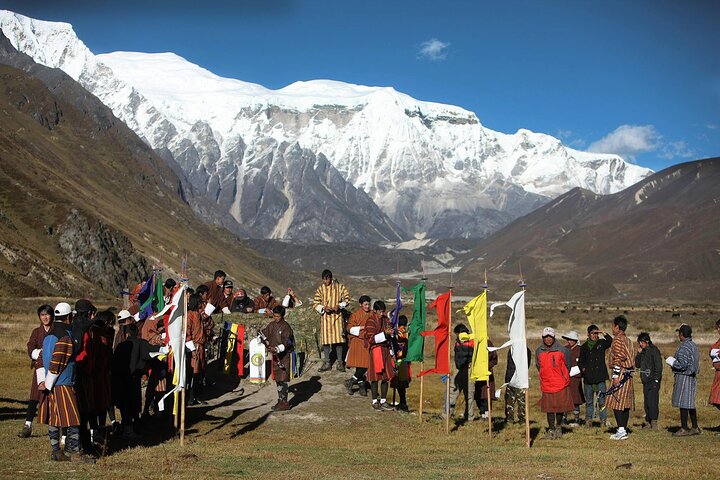
You step out of Paro’s thin air onto a trail that climbs through blue pine and dwarf rhododendron, the Pa Chu river below daring you to look back. Morning light pins the faces of Jichu Drake and distant peaks; a prayer flag flicks like a small warning and a promise.
The Druk Path is both trek and lived landscape: ancient lhakhangs and dzongs mark trade routes between Paro and Thimphu, while geology explains the high ridges—glacially carved valleys and moraine-fed lakes such as Jimilang Tsho and Simkotra Tsho. The route threads pastureland used by yak herders, passes small nomad camps, and skirts fragile alpine meadows where the soil is thin and the views are wide.
Culturally, the trek moves through Bhutan’s spiritual spine. You’ll visit Kyichu Lhakhang and the famed Taktshang (Tiger’s Nest) perched on a cliff, both anchors of Bhutanese Buddhism. In Thimphu, museums and handicraft bazaars explain how textiles and stamps became national pride.
Practically, expect 6 days of trekking with daily distances of about 11–13 km and camps between 3,900–4,110 m. Trails are a mix of rooty forest tracks, steep ridgelines and rocky switchbacks; altitude gain can be 800–900 m on the longer days. Pack layered insulation, solid hiking boots, and a light water filter; pace yourself for acclimatization and drink frequently. Weather can flip from sun to wind-driven snow above 4,000 m, so aim to hike early, rest mid-day, and keep evenings for hot tea and gear checks. This is a trek of steady climbs, commanding views and cultural depth—rewarding for prepared hikers who want immersion rather than a rush.
Things to know before you go
Acclimatize early
Spend your first full day in Paro doing light activities (Tiger’s Nest is a good acclimatization hike) to reduce altitude effects before the trek.
Water and hydration
Carry a 1–2L hydration system and a small filter or purification tablets—trail water is available but should be treated at high camps.
Footwear and traction
Trail surfaces vary from muddy forest tracks to rocky ridgelines—sturdy, broken-in hiking boots with good ankle support are recommended.
Daily pacing
Plan for early starts and moderate daily distances; allow extra time on steep ascents and when weather reduces visibility.
Your questions, answered.
How difficult is the Druk Path Trek?
Moderate to challenging—daily distances of 11–13 km, with ascents up to ~900 m; altitude reaches about 4,110 m, so acclimatization and fitness matter.
Do I need previous high-altitude experience?
No formal experience required, but prior multi-day trekking experience and good cardiovascular fitness make the trek more enjoyable and safer.
What permits are required?
Trekking in Bhutan requires permits that are arranged by your tour operator; the trip includes necessary permit fees and guided services.
Is there cellphone or network coverage on the trail?
Coverage is limited; you’ll have service in Paro and Thimphu but expect little to none on the high ridgelines and remote campsites.