THE ADVENTURE COLLECTIVE FIELD NOTES
A closer look at the journey.
You step off the coach and the Mediterranean breeze pushes a salt-bright line across your face—Beirut recedes and limestone cliffs take over. On day one the Jeita Grotto’s caverns swallow sound and a slow boat carries you past stalactites that seem to grow from the ceiling like stone chandeliers. Later, the Harissa cable car climbs, the bay spreading beneath you like a folded map, and Byblos’ seawall and old souks lay out centuries of trade and craft along the shoreline.
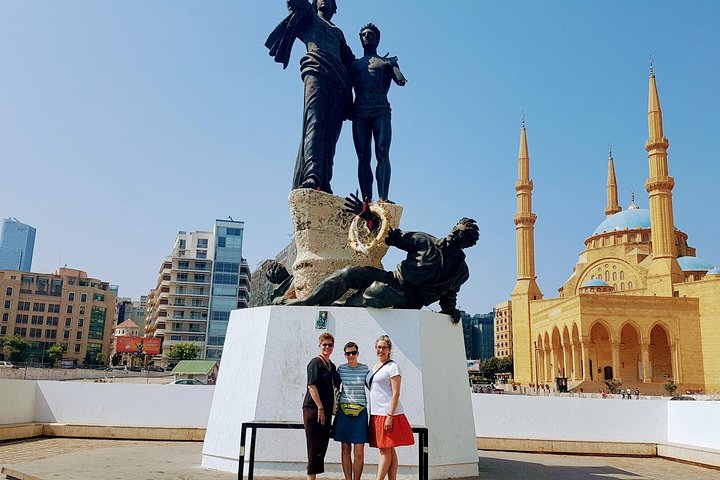
This compact three-day loop threads through Lebanon’s layered history: Phoenician ports at Byblos, Roman marble and columns at Baalbek, Crusader-era churches in Beirut, and the winemaking legacy at Château Ksara carved into shale and caverns. Geology is constant—the coast’s limestone karst yields caves; inland, the Bekaa Valley’s fertile alluvium feeds vineyards that have sustained communities for millennia. Cultural life pulses in simple details: mezze served family-style, mosque and church domes sharing the skyline, and markets where merchants still polish olive wood.
Practical guidance: expect light walking with uneven surfaces and short stair sections at archaeological sites; comfortable shoes and sun protection are essential. The tour includes hotel pickup, two lunches, admissions, and multilingual guiding, but bring small cash for souvenirs and optional extras. Timed right, mornings avoid the crowds at Jeita and Baalbek; afternoons are ideal for coastal light and winery tastings. This itinerary gives a concentrated, accessible view of Lebanon’s past and present—compact, varied, and rich in sensory detail.
Things to know before you go
Stay hydrated and pace yourself
Lebanon’s sun and walking between sites can deplete energy—carry a refillable water bottle and sip regularly.
Wear supportive shoes
Archaeological sites and cave walkways are uneven; closed-toe, grippy shoes make the visits safer and more comfortable.
Carry small local cash
Taxis, tips, market stalls and some smaller cafes prefer cash (Lebanese pound or US dollars accepted); ATMs are available in cities.
Time your site visits
Visit Jeita and Baalbek early to avoid midday heat and busier tour groups; reserve evenings for coastal meals and Harissa views at sunset.
Your questions, answered.
Are admissions and meals included?
Yes—two lunches and most site admissions listed in the itinerary (Jeita, Baalbek, Ksara, two museums and the hop-on hop-off tickets) are included.
Is hotel pickup provided?
Yes—the tour includes hotel pickup and drop-off in Beirut according to the booking’s selected pickup point.
Is the tour wheelchair accessible?
Many transportation options and some sites offer accessibility, but certain ruins and cave areas have stairs and uneven terrain—contact the operator to confirm specifics for mobility needs.
How much walking is involved?
Expect short to moderate walks at each stop (cave boardwalks, archaeological terraces, souk lanes); the tour is rated easy and suitable for most travelers.