THE ADVENTURE COLLECTIVE FIELD NOTES
A closer look at the journey.
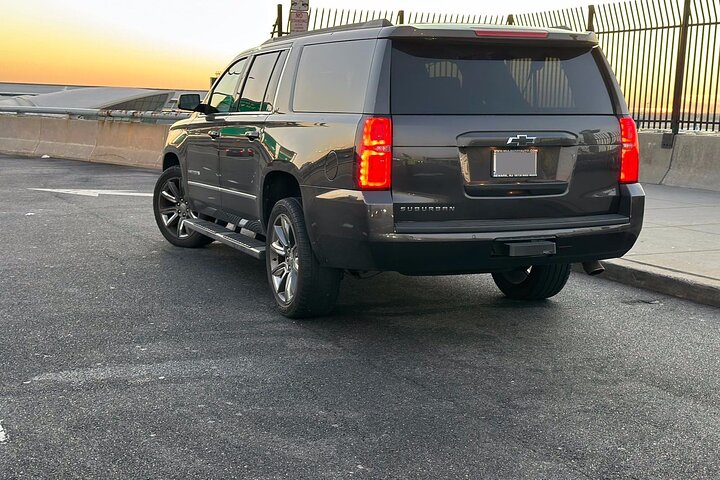
Snow presses the world quiet the moment your snow coach rolls away from Salt Lake City, headlights cutting a warm arc across white plains. By the time you reach West Yellowstone, steam rises like breath from the earth and bison stand like dark punctuation against white fields. The coach moves deliberately: wide shoulders of road, frozen sage, and the muffled click of tracks.
This three-day itinerary threads two of America’s most dramatic parks. Yellowstone, created in 1872, reveals geothermal forces—Old Faithful, Fountain Paint Pots, and black sand basins—where hot water and steam shape fragile winter landscapes. Grand Teton’s jagged skyline is geologically younger but no less stark; glacial carving left deep lakes and sharp ridgelines that drop toward Jackson Hole. Local culture is ranching and mountain tourism: small western towns, historic lodges, and a strong tradition of winter guiding.
Expect long coach transfers (Salt Lake City to West Yellowstone ~320 miles, 5.5–7 hours depending on conditions) and high-elevation exposures (West Yellowstone ~6,600–7,500 ft; Old Faithful ~7,300 ft). Terrain is packed snow, icy boardwalks in thermal basins, and groomed roads; optional snowshoe outings are short and low-elevation gain. Wildlife—bison, elk, wolves—move like characters in the white; keep distance and follow guide instructions.
Practical notes: layer for -20°F to 30°F (-29°C to -1°C) potential, bring traction devices for icy boardwalks, protect camera batteries from cold, and plan for early-evening return to Salt Lake City. This tour maximizes winter spectacle with guided safety and warm shelter between the elements.
Things to know before you go
Dress in layers
Temperatures in the park can swing wildly—base layer, insulating mid-layer, and waterproof outer shell make long days comfortable.
Bring traction devices
Boardwalks and thermal areas freeze; microspikes or crampons improve footing on icy surfaces.
Protect camera batteries
Cold drains batteries quickly—carry spares in an inside pocket and use hand warmers if shooting for long periods.
Respect wildlife distances
Animals are easier to approach in winter but maintain distance; guides enforce setbacks to protect you and wildlife.
Your questions, answered.
How long is the drive from Salt Lake City to West Yellowstone?
Expect roughly 5.5–7 hours one-way (~320 miles) depending on weather and road conditions; the tour includes transfers and scheduled stops.
Will I see Old Faithful erupt?
Yes—Old Faithful is a scheduled stop and visible from the Old Faithful area; eruption timing is generally predictable and guides plan visits accordingly.
Are the thermal basins safe in winter?
Boardwalks remain the safest way to view thermal features; slick or icy sections are common, so use provided walkways and traction devices.
Do I need prior winter travel experience?
No technical experience required, but you should be comfortable in cold temperatures and able to participate in light snowshoeing if you choose those options.