THE ADVENTURE COLLECTIVE FIELD NOTES
A closer look at the journey.
The day begins with Muscat receding in the rearview and the road opening into ochre dunes and turquoise pools. At Wadi Bani Khalid, limestone walls channel spring-fed pools that invite a cool, slow swim; palms lean over the water as if offering shade. By afternoon the landscape shifts — the Wahiba Sands arrive in waves of wind-sculpted ridges, their scale made tangible as a 4×4 threads tracks across the dune field. Sunset on a crest slows time; the sand cools underfoot while stars sharpen overhead.
Geology here tells a dual story: wadis formed by trapped groundwater and erosion, and sands deposited by coastal winds across millennia to create the Sharqiya (Wahiba) Sands. Culturally the route links Omani coastal life with interior Bedouin traditions — expect invitations for Omani coffee, dates, and a short camel ride offered by local hosts.
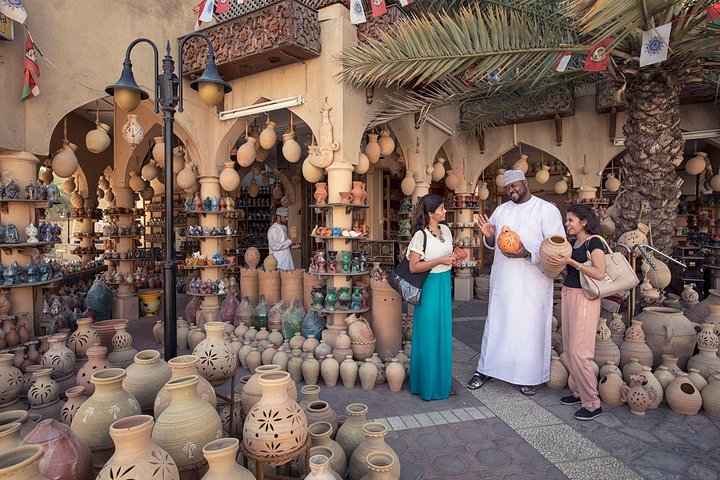
Practically: the tour is lightly active — swims, short walks, and low-impact dune exploration — but pack for desert extremes. Morning and evening temperatures are mild; midday can be brutally hot in summer. The camp stay is simple, with dinner and breakfast served; dune-bashing is optional and usually arranged separately. Bring sunscreen, a hat, closed shoes for rocky wadi approaches, and ample water. Plan for 2 days of transit and photo stops between Muscat, Wadi Bani Khalid, Wahiba Sands, and Ibra’s old souq. With straightforward logistics and a private vehicle, this itinerary is ideal for travelers who want immersive desert time without extended trekking.
Things to know before you go
Hydrate before and during the trip
Carry at least 2–3 liters per person per day; water is supplied at camp but daytime heat can deplete you quickly.
Protect from sun and sand
Wide-brim hat, UV sunscreen, and a lightweight scarf will shield you during midday drives and dune climbs.
Footwear for mixed terrain
Closed shoes with grip are recommended for rocky wadi paths and shifting sand near dunes.
Cash for local purchases
Bring small OMR notes for camel rides, tips, or purchases at Bedouin houses and souqs.
Your questions, answered.
Is the camel ride included?
No, camel rides are optional and typically paid locally (around 3 OMR per short ride) at Bedouin stops.
How long is the drive from Muscat to Wadi Bani Khalid?
Expect roughly a 2-hour drive each way depending on traffic and photo stops along the route.
Are swims in Wadi Bani Khalid safe for non-swimmers?
There are shallow pools suitable for wading, but exercise caution; bring a towel and shoes for slippery rocks.
Can travelers with mobility issues join this tour?
The tour lists wheelchair-accessible transport, but access at natural sites like wadis and dunes can be uneven—discuss specific needs with the operator.