THE ADVENTURE COLLECTIVE FIELD NOTES
A closer look at the journey.
Wind cuts the thin air before dawn and headlamps pick out the serrated skyline — this is Kang Yatse. From Leh the road unwinds into the Markha Valley, and the peaks grow from distant white ridges to immediate walls of rock and snow as you approach base camp at ~5150 m.
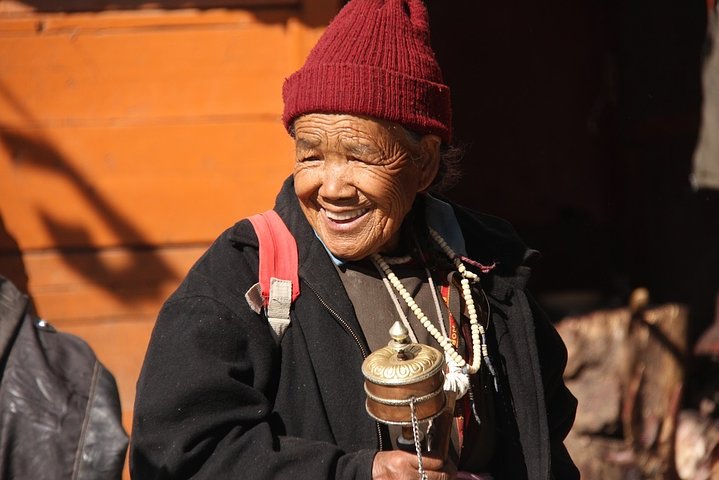
The Kang Yatse pair sits on the eastern flank of the Zanskar Range. Geologically young and glaciated, these peaks show steep schist and granite faces overlaid with seasonal snowfields. Local Ladakhi culture — Tibetan Buddhist in practice — threads through the route: prayer flags mark passes, and small gompas preside over villages you pass while acclimatizing in Leh and Markha.
Expect a classic alpine expedition rhythm: progressive trekking, a high-camp rotation before a pre-dawn summit push on Kang Yatse II (6,145 m), then technical ascent of Kang Yatse I (6,401 m) featuring steep snow, mixed ground and a knife-edge traverse.
Practical planning is non-negotiable: allow full acclimatization days, carry layered technical clothing, and prepare for crevasse and ice-axe work. Weather windows are short; guides use satellite comms and oxygen reserves during emergencies. Physically, days include sustained 4–7 hour ascents at altitude and technical climbing on AD+/D- terrain; previous alpine experience and rope skills are required.
When packing, prioritise fit, redundancy and hydration systems: that thin air will punish poor planning. The reward is a high-alpine experience that demands respect — when the ridge opens, the Himalaya will not only test you, it will also teach you to move deliberately.
Things to know before you go
Prioritise acclimatisation
Spend the scheduled acclimatisation days in Leh and at Base Camp; ascending too fast increases risk of AMS and jeopardises summit attempts.
Carry personal technical kit
Bring your own harness, helmet, and boots that fit with crampons — group kit is provided but personal fit matters for long days.
Hydrate and manage calories
Drink frequently with an insulated bottle and eat calorie-dense snacks; appetite can drop at altitude so plan portable energy sources.
Plan for weather delays
The itinerary includes buffer days—pack for extra nights and variable conditions; summit windows are short and flexible scheduling is critical.
Your questions, answered.
Do I need prior high-altitude experience?
Yes — previous expedition or sustained 5,000–6,000 m experience is strongly recommended because of technical sections and altitude exposure.
Are permits and airport transfers included?
Permits and airport pick-up in Leh are included; check visa requirements for India separately.
What level of technical climbing is required for Kang Yatse I?
Kang Yatse I is rated around AD+/D- with steep snow, possible ice and a knife-edge traverse—ropework and mixed climbing skills are required.
What happens in case of bad weather or medical emergency?
Guides carry satellite communication and oxygen; plans include buffer days, emergency descent options and liaison with local evacuation services if needed.