THE ADVENTURE COLLECTIVE FIELD NOTES
A closer look at the journey.
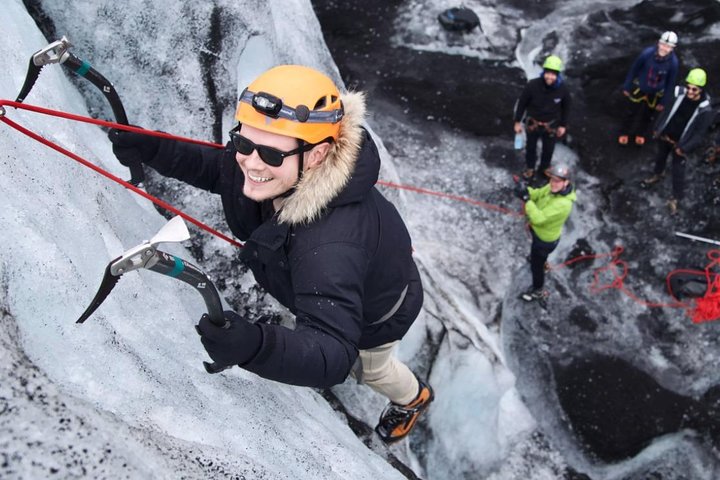
Wind and ice meet on the black sand plain as you step from the car park toward the glacier’s rim. The guide clips on your crampons and the blue of the ice draws the eye—deep, layered, and oddly warm with reflected sky—while the glacier breathes and shifts underfoot.
Sólheimajökull is an outlet of the larger Mýrdalsjökull ice cap, sculpted by repeated cycles of volcanic heat from nearby Katla and the slow grind of ice flow. Crevasses and ridges record those pressures in bands of blue and iron-dark ash. Local farms and coastal settlements have long read the glacier’s advance and retreat as a living marker of climate and geology.
The cultural beat of the south coast is practical and weatherwise: farmers, guides, and road crews all respect how quickly conditions change here. That pragmatism extends to guided glacier travel—routes are chosen for safety, and the caves you enter are ephemeral, shifting with melt and snowfall.
Practical guidance: wear waterproof, insulated boots with good ankle support; bring a windproof shell and warm layers; and carry water and snacks—the hike is active and cold so you’ll sweat then chill. Start mid-morning for stable light and avoid the warmest afternoon melt. Follow your guide’s spacing over crevasses, use poles for balance, and keep a safe distance from ice cliff edges. Photography is rewarding—expose for the ice, not the sky—and remember phones can die faster in cold.
This guided 3.5-hour experience balances short, purposeful hiking with hands-on instruction, giving both first-timers and confident hikers a clear, memorable way to meet Iceland’s ice.
Things to know before you go
Bring waterproof, insulated boots
Stiff-soled, ankle-high boots keep crampons secure and feet dry on wet ice and moraine.
Dress in warm layers and a windproof shell
You’ll heat up on the approach and cool quickly near the cave—layering lets you regulate temperature.
Protect electronics from cold and moisture
Keep cameras and phones in inner pockets and use silica packets or drybags to limit condensation.
Listen to your guide on the glacier
Stay roped or spaced as instructed—glacier terrain conceals sudden drops and weak snow bridges.
Your questions, answered.
Are crampons and helmets provided?
Yes—guided tours supply crampons, helmets, and other necessary glacier gear; bring boots that fit crampons and warm clothing.
Is this tour safe for beginners?
Guides lead short, guided routes appropriate for novices, but participants should be steady on icy, uneven terrain and free of serious cardiovascular or spinal issues.
How cold is the ice cave and what should I wear inside?
Temperatures in the cave hover near freezing; wear insulating layers and a windproof shell—the guide will advise on extra protection if needed.
Can the tour be canceled due to weather?
Yes—operators cancel in unsafe conditions (heavy melt, storms, or poor visibility) and typically offer refunds if canceled 24+ hours before departure.