THE ADVENTURE COLLECTIVE FIELD NOTES
A closer look at the journey.
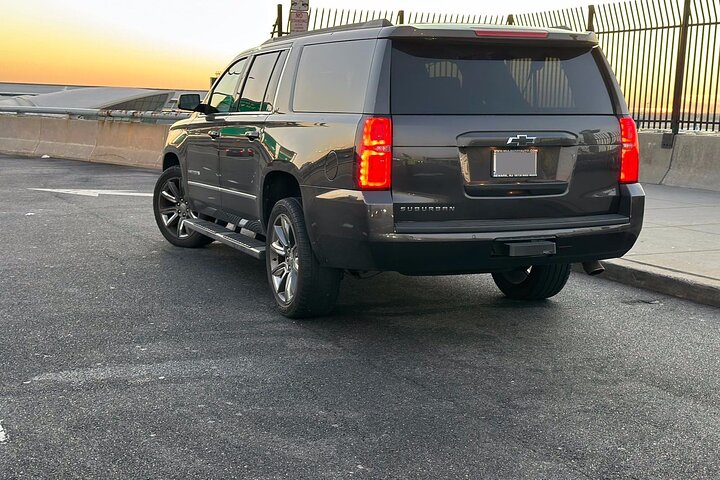
You step into a polished SUV at Fort Lauderdale-Hollywood International, the driver greeting you by name as the city peels away behind the terminal. Highways stretch ahead, the Atlantic glinting to your right and the Everglades lowlands to the left; the bay seems to pull you like a current toward the port. The ride feels deliberate — a brief, confident passage from air travel to shipboard life.
PortMiami sits on dredged land where shipping history and modern cruise architecture meet; the causeways and bridges you cross were built to span Biscayne Bay and link island neighborhoods to the mainland. Geologically this coast is young sand and limestone, shaped by tides and the Gulf Stream; culturally, Miami is a crossroads of Caribbean and Latin American influences visible in storefronts and radio stations as you approach the cruise terminals.
Practically, this transfer compresses that regional context into 40–45 minutes of comfortable transit. Expect highway travel — I-95, I-595 and the MacArthur Causeway — with possible congestion during morning, evening, and cruise embarkation windows. Drivers handle luggage and can provide car seats; bottled water is often supplied. For many travelers the value is predictable timing and less stress between flights and ship check-in.
Plan to confirm terminal and ship name before departure, allow extra time for traffic or security checks, and keep travel documents handy. A private luxury transfer turns what can be the most anxious leg of travel into a calm, efficient start to a cruise.
Things to know before you go
Confirm your terminal and ship
Provide the exact cruise terminal and ship name during booking to ensure drop-off at the correct port facility.
Allow buffer time for traffic
Peak traffic, cruise check-in, and bridge activity can add 15–45 minutes—schedule accordingly, especially for sailings midday.
Request child seats in advance
If traveling with infants, request an infant or child seat at booking since availability may be limited.
Keep documents accessible
Have passports, boarding documents, and flight information in a carry-on that’s easy to reach during the transfer.
Your questions, answered.
How long does the transfer take?
Typical door-to-door time is 40–45 minutes under normal traffic; allow extra time during rush hours and cruise embarkation periods.
Can the driver assist with luggage?
Yes—professional drivers will load and unload luggage; confirm oversized items with the operator ahead of time.
Are infant or child seats available?
Yes—child seats are available by request; specify type and age/weight of the child when booking to ensure proper equipment.
What happens if my flight is delayed?
Contact the operator with updated arrival details; many services monitor flight status and will adjust pickup within the booked window but confirm the provider's policy at booking.