THE ADVENTURE COLLECTIVE FIELD NOTES
A closer look at the journey.
A hush settles over the Hida foothills as you step from a renovated townhouse into crisp air—snow crunching beneath borrowed snowshoes, breath visible, the forest closing politely around your party. The guide sets a steady pace; trees lean in like attentive hosts as you climb toward a waterfall whose voice is muffled by winter but still insists on being heard.
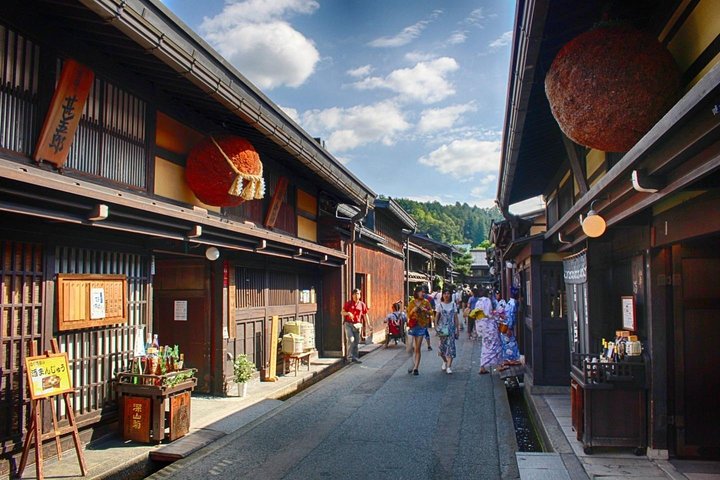
This route threads the cultural fabric of Takayama—an Edo-period market town built on Hida timber—into a mountain walk. Geological seams of volcanic and sedimentary rock carve narrow gullies here; centuries of runoff shape the falls you approach. The tour is led by certified Japan Mountain Guides Association guides; the meeting point, ONDO, is a restored machiya (traditional townhouse) that connects local producers with visitors.
At the waterfall clearing your guide, also a trained barista, hand-drips coffee using pure mountain spring water. The simple meal of local soup and sandwiches feels deliberate and warm against the cold, a small ceremony of seasonal ingredients.
Practical notes: plan for about 4–5 hours door-to-door, with roughly 3 hours of snowshoeing on packed and unpacked snow; elevation gain is moderate and terrain can be uneven and rooted under snow. Rentals include snowshoes, snow boots, jacket and gloves, but bring layered base and insulating mid-layers, extra socks, and a thermos if you like. Group sizes are small; the rhythm is slow enough to notice the creek’s murmur and quick enough to keep the chill at bay.
This trip suits hikers who want a measured winter outing that blends nature, local craft, and the comfort of hot coffee in the woods.
Things to know before you go
Dress in layers
Temperatures can swing quickly—use a moisture-wicking base, an insulating mid-layer, and a waterproof shell available for rent if needed.
Protect your feet
Bring warm, waterproof socks; rented snowboots are provided but extra liners or a second pair of socks prevent cold toes.
Pace for elevation
The route includes modest climbs and uneven snow—maintain a steady pace and communicate any breathing or joint concerns to your guide.
Respect the waterfall clearing
Keep noise and movement low during the coffee break to avoid disturbing wildlife and to preserve the moment for others.
Your questions, answered.
How fit do I need to be for this snowshoe tour?
You should have a moderate level of fitness—able to walk 3 hours on snow with short uphill sections; guides will set a manageable pace and offer rests.
Is gear provided or do I need to bring anything?
Snowshoes, snowboots, a snow jacket, pants, and gloves are provided; bring base layers, warm socks, and any personal items like medication.
Can the tour accommodate dietary restrictions?
Yes—local sandwiches and soup use seasonal ingredients; notify the operator in advance so they can adjust the light meal accordingly.
What happens in bad weather?
If conditions make the route unsafe, the operator will offer an alternative plan or a full refund if you opt out; decisions prioritize safety.