A VAYCAI STORY · THE ADVENTURE COLLECTIVE
Beneath the Arch: A Seafarer’s Guide to Land's End, Los Cabos
A concise, practical guide to sailing, snorkeling, and spotting whales beneath Cabo's iconic granite arch.

You feel it before you see it — a change in the wind, a briny slap of spray, the way the horizon compresses into a series of sculpted stones. The boat hums and the captain eases toward a break in the skyline; there, framed by surf and sun, is El Arco: a granite arch hewn by currents and centuries, the punctuation mark at the southern tip of the Baja Peninsula. From the deck, the arch is both monument and invitation. Sea lions lounge on sun-warmed rocks nearby as pelicans wheel and the Pacific presses in from one side while the Sea of Cortez pushes back on the other. Land's End is a place where the ocean insists on being noticed.
This is a destination that reads like a short, high-contrast story: wind-beaten stone, bright water, and the perpetual traffic of boats that ferry visitors to Lovers Beach, Pelican Rock, and the sheltered coves around Cabo San Lucas. The arch itself is granite, part of an exposed batholith that rose deep underground then revealed itself as softer material eroded away. The meeting of ocean bodies here creates currents and upwellings that concentrate marine life; in winter months those currents lure humpback whales into the bay for breeding and calving — a dramatic natural encore to the arch’s quiet permanence.
Human stories cling to this rock as well. For centuries local fishers read these waters for routes and eddies; more recently yacht masts and tour boats have transformed the skyline. Still, there’s a resilient local rhythm: morning launches to check nets, midday charters that thread the arch, and sunset cruises that linger, cocktails in hand, while the sky softens. The tourism economy here is layered — from large catamarans that host crowds to private yacht charters and nimble pangas that feel like a friendlier, lower-carbon alternative for small groups.
Why go? The thrill of Land's End is immediate and granular. It’s the close-up of sea lions barking at one another, the sudden spray from a passing whale, the vertical geometry of rock faces that seem to have been carved with a rugged hand. For snorkelers, Pelican Rock offers shallow reefs, a chance to float above garibaldi and rays. For photographers, the arch is endlessly photogenic: the curve of stone against the curve of the sea, light shifting across water. For someone who wants the sea but not the crowds, a private yacht or a small catamaran offers space, flexibility, and the option to swim at quieter spots.
Practical reality sits alongside romance. Most boat trips from Marina Cabo San Lucas are short — commonly two to two-and-a-half hours for private yacht and catamaran options — and designed to include the Arch, Lover's Beach, and a snorkel stop at Pelican Rock. Morning departures are calmer for snorkel visibility and easier seas; sunset cruises trade clarity for cinematic light. If you’re visiting between December and April, bring binoculars: this is prime whale-watching season and a boat-based sighting can be unforgettable.
Plan for simple logistics. Bring reef-safe sunscreen, a wide-brimmed hat, and a refillable water bottle — the sun is stronger than you think, and reflected light off the water doubles the burn. Wear water shoes or grippy sandals if you expect to step onto Lover's Beach or board from a ladder; the rocks are uneven and can be sharp. If you’re snorkeling, a guided trip will provide masks and fins, but experienced snorkelers often prefer to bring their own for fit and hygiene. Private charters give you control — swim when you like, linger at Pelican Rock, or circle the Arch again for better photos — but group cruises are more economical and social.
Safety and stewardship are two sides of the same coin here. Currents near the Arch can be strong; if your captain advises against swimming in an area, trust them. Respect sea lions and wildlife: observe at a distance, and never approach or hand-feed animals. Choose operators who practice responsible anchoring — anchors can damage reefs — and ask about their waste and fuel practices. Small choices (reef-safe sunscreen, reusable bottles, picking operators that limit group sizes) preserve the thing that drew you here in the first place.
If you have time beyond the water, combine the ocean half-day with a drive along the Tourist Corridor to San José del Cabo, or a quick stop in the historic town to taste fresh ceviche and grilled fish tacos. For those who want to go further afield, full-day tours from La Paz include Todos Santos and its creative mix of galleries and surf culture, but the constant here is the sea: it shapes the cuisine, the livelihoods, and the tempo.
Land's End is at once simple and precise: an elemental meeting of stone and sea that rewards an active curiosity. Take a morning snorkel for clarity, an afternoon private charter for intimacy, and a sunset cruise for optics. Between the arch and the sea there's a small, perfect classroom — geology, biology, and human industry — taught in wind and light. And when the boat swings away from the rocks and the arch recedes into silhouette, you’ll understand why so many trips stop here: the place asks you to pay attention, and if you do, it gives back a clear sequence of moments you won’t soon forget.
A few things worth knowing.
Go early for calm water
Morning departures usually have smoother seas and the best snorkel visibility before winds pick up.
Bring reef‑safe sunscreen
Protect your skin and the reef; many operators require reef‑safe formulations to protect marine life.
Wear water shoes
Boarding and beach landings can be rocky—grippy shoes protect your feet and give better traction.
Book a small private charter for flexibility
Private yachts or small catamarans let you control stops and timing, useful for snorkelers and photographers.
The local thread.
Land's End has long been a landmark for local fishers and maritime routes; the arch is a natural granite formation sculpted by wave action over millennia.
A closer look
- Pelican Rock — a quieter snorkel site with healthy reef life
- Neptune's Finger — a narrow sea stack often overlooked by larger tours
Wildlife you might see
- California sea lions
- Humpback whales (seasonal)
Tourism concentrates pressure on reefs and wildlife; choose operators that practice low-impact anchoring, limit group sizes, and encourage reef-safe products.
A different story in every season.
spring
Spring brings clearer water and mild weather — ideal for snorkeling and photography, with fewer winter crowds tapering off.
Good for
- calmer seas
- clear snorkel conditions
- milder crowds
Plan around
- occasional spring winds
- early whale season tail end
summer
Summer is hot and bright; great for swimming and late-day cruises but pack sun protection and hydrate frequently.
Good for
- warm water swimming
- long daylight hours
- sunset cruises
Plan around
- higher heat and sun exposure
- occasional afternoon breezes
fall
Fall can be a sweet-spot for fewer crowds and warm water—stay alert for tropical weather advisories during hurricane season.
Good for
- off-peak pricing
- pleasant sea temperatures
- less crowded beaches
Plan around
- hurricane season considerations (Aug–Oct)
- variable sea conditions
winter
Winter (Dec–Apr) is peak whale-watching season and offers spectacular marine life sightings, though tours fill up fast.
Good for
- whale watching
- cooler, crisp weather
- dramatic light
Plan around
- larger tour crowds
- cooler mornings
Pack a little wisdom.
- Refillable water bottleEssential
Hydration on deck matters—the sun and salt are deceptively dehydrating.
- Reef‑safe sunscreenEssential
Protect your skin and local coral/reef ecosystems; many operators require it.
- Snorkel mask (personal)
Bringing your own mask ensures fit and hygiene; guided tours often provide gear but fit varies.
- Water shoesEssential
Protect feet when boarding from rocks and walking on Lover's Beach.
Through your own lens.
Use a polarizing filter to cut glare and saturate the blue-green water; shoot low from the bow to emphasize arch scale, and bring a telephoto (200mm+) for wildlife. Protect gear from salt spray with a waterproof cover and rinse after shooting.
Before you head out.
What to pack
Refillable water bottle (hydrate), reef-safe sunscreen (protect reefs), water shoes (safe beach/boarding), light wind shell (afternoon breezes).
Did you know?
Land's End (El Arco) marks where the Pacific Ocean meets the Gulf of California (Sea of Cortez), creating unique currents that attract diverse marine life.
Quick travel tips
Book morning snorkel departures for calmer seas; confirm gear included with your tour; bring cash for small purchases at the Marina; choose reef-safe sunscreen to protect marine life.
Local flavor
Cabo’s coastal cuisine centers on fresh seafood — try a grilled fish taco or ceviche at a Marina-side eatery. San José del Cabo’s art district offers galleries and mezcalerías for an evening out.
Getting oriented
Departures from Marina Cabo San Lucas; typical duration 2–2.5 hours; whale season Dec–Apr; most operators provide snorkel gear; private charters available for small groups.
Travel with care
Support operators that use reef-safe anchors, limit group sizes, and practice no‑trace guidelines; use reef-safe sunscreen and avoid disturbing wildlife.
The questions before the journey.
How do I get to Land's End?
Most visitors depart from Marina Cabo San Lucas via boat tours or private charters that run frequent half‑day trips to El Arco and surrounding sites.
Can I walk to the Arch from town?
No — El Arco sits beyond the shoreline and is accessed by boat. Lover's Beach and Divorce Beach are reachable by water taxi or kayak.
When is the best time to see whales?
Humpback whales are commonly sighted between December and April; booking within that window increases your chances significantly.
Is snorkeling safe around El Arco?
Snorkeling is generally safe at designated spots like Pelican Rock under calm conditions; follow your guide's advice because currents near the Arch can be strong.
Should I book a private yacht or a group tour?
Private yachts offer flexibility and privacy for photos and swim stops; group tours are more affordable and social. Choose based on budget and desired experience.
Are there conservation rules to know?
Yes — avoid touching reef or wildlife, use reef‑safe sunscreen, and select operators that use responsible anchoring to minimize reef damage.
Original editorial content from The Adventure Collective; some writing uses automated assistance. Conditions and operator details can change. Confirm practical information before your visit. Suggest a correction.
FROM THE PAGE TO THE PLACE
Make a little room for adventure.
Published trip guides linked to this story. Check each itinerary and current availability with Viator.

Cabo San Lucas, Mexico
Cabo Dolphin Encounter: Natural Space Bottlenose Experience with Optional Pickup

Cabo San Lucas, Mexico
Cabo Highlights: Sail, Snorkel, Taste and Explore the Arch in a Day
Looking for more options? Explore Land's End on Viator ↗
More ways to explore Cabo San Lucas
Other experiences in the destination; check the itinerary for the places visited.


Cabo San Lucas, Mexico
Cabo Migrino UTV Adventure: Desert, Mountain & Beach Off‑Road Tour

Cabo San Lucas, Mexico
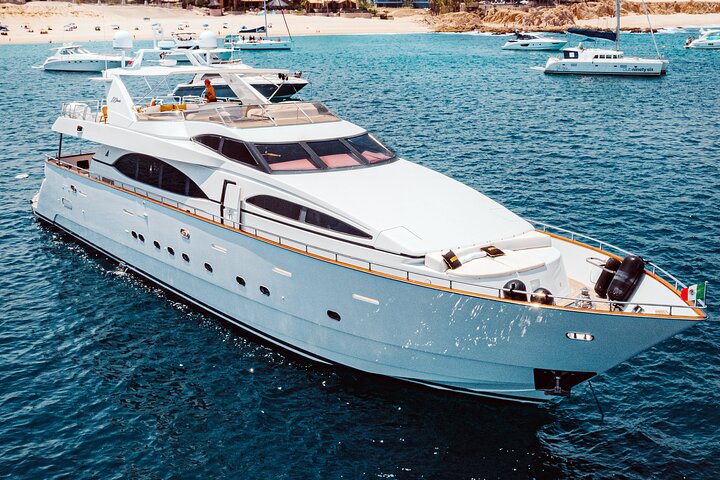
Charter the 108-ft Neoprene Overmarine Yacht: Luxury Cabo Cruises, Snorkeling & Sunset Parties
Listed starting prices and ratings are saved information, not confirmation of availability. Final prices, dates, and terms are confirmed on Viator. We may earn a commission from qualifying bookings through sponsored links.
KEEP YOUR CURIOSITY GOING
One story leads to another.

Cabo San Lucas · Mexico
Where the Sea Meets the Town: Exploring Cabo San Lucas Cruise Port
From the limestone arch at Land’s End to morning sportfishing lines and evening sunset sails, Cabo San Lucas Cruise Port is where Baja’s marine life and vibrant marina culture converge—ideal for travelers who want quick access to waterborne adventure and local flavor.
Read the story ↗
Cabo San Lucas · Mexico
Fox Canyon: A Wild Hourglass Between Desert and Sea
A compact canyon hike a short drive from Cabo San Lucas, Fox Canyon delivers coastal winds, desert flora, and geological drama in a 2–4 mile outing. This guide pairs sensory storytelling with practical route and gear advice to help you plan the trip.
Read the story ↗
Cabo San Lucas · Mexico
Blue-Flagged Bliss: A Day at Chileno Beach and the Sea of Cortez
Chileno Beach pairs warm, shallow reefs with dramatic granite backdrops and a Blue Flag seal of approval. Whether you’re snorkeling from a glass-bottom boat, sailing a luxury catamaran, or casting off for a private fishing trip, Chileno is a concise introduction to the Sea of Cortez.
Read the story ↗