A VAYCAI STORY · THE ADVENTURE COLLECTIVE
Beneath the Surface at Careless Reef: Hurghada’s Blue-Plate Adventure
A swift-boat gateway to coral gardens, dolphins and island beaches off Hurghada

The boat wakes up before you do. A low diesel thrum and the tang of salt air pull you from the shaded lane of Hurghada Marina and out across glassy water toward a rim of reef that, from the deck, looks like a blurred watercolor under the sun. As the shoreline slips away, the Red Sea opens wide and suddenly the horizon is nothing but possibility: coral bommies dotting an impossible blue. At Careless Reef, the water seems to have its own gravity. It tugs you forward, encouraging you to breathe slow, to get wet.
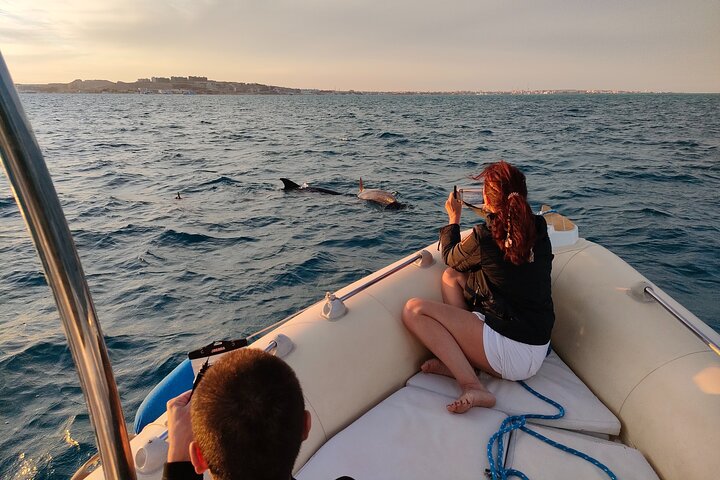
Drop into that clarity and the reef rearranges your sense of scale. Schools of blackback butterflyfish flick like confetti; a Picasso triggerfish patrols a patchwork of plate coral with the self-importance of a small monarch. If you’re lucky—lucky in the way that luck on the Red Sea is part timing, part patience—a pod of bottlenose dolphins will spiral under the boat, playful and audacious, recruiting everyone aboard into the instant ritual of watching. The experience here is sensorial in a direct, clean way: the shock of cool water, the taste of salt, the sun-blanket on your shoulders, and the way the reef, patient and ancient, simply goes about its work of supporting life.
Careless Reef sits off the coast of Hurghada, part of the wider Red Sea system that has been a crossroads of sailors, traders and naturalists for millennia. Geologically, the reef is the product of millennia of coral growth on a tectonically active rift basin; the Red Sea’s narrow, deep profile plus its warm, salty water creates one of the most biodiverse coral environments on the planet. The reefs here are not a single ribbon of coral but a collage of coral heads, sandy gutters and rocky outcrops—ideal structure for the kind of snorkeling and shallow diving that Hurghada’s charters favor.
On any given morning the fleet leaves the marina with a few familiar rituals: a check of the wind, the skiff man’s quick gesture toward the horizon, and the distribution of masks and snorkels. Tour operators in Hurghada have built a robust itinerary around Careless Reef: half-day speedboat runs that aim for dolphin sightings and quick snorkel sessions, and full-day charters that include stops at Abu Minqar, Eden Island or the Giftun Islands—quiet pockets of sand and laid-back beaches where the reef shelves into white shorelines. Local culture threads through these trips too: the crews are often from families of fishermen, intimately aware of currents and fish behavior, and they’ll point out the small things—a hidden moray, a feeding grouper—that guidebooks miss.
For travelers, the practical appeal is immediate. Careless Reef is accessible for casual snorkelers and families but it also rewards those who come with a little preparation. Visibility here often stretches 15–30 meters in calm months; depths around the reef's bommies range from 2 to 15 meters, which makes it a great place to watch reef ecology in daylight. Boat options range from zippy 4-hour speedboat runs that maximize dolphin-and-snorkel chances to private full-day charters for up to 14 guests that pile on islands, lunch and long stretches of shallow water exploration.
Plan around conditions. The best days feel like a private showing: calm seas, steady light, and the kind of visibility that makes every coral formation look painted. In busier months, expect more boats at popular sites like the Dolphin House and Giftun’s Orange Bay—book a private charter if you want slack time on the water and more control over the itinerary. Many operators include the national park fee and snorkel gear; others offer optional extras like guided dives if you want to drop below the surface.
There’s a conservation dimension to the pleasure. The reef is resilient but vulnerable—look, don’t touch. Use reef-safe sunscreen, avoid standing on corals and go with operators who brief guests on responsible snorkeling. Local guides care about this reef because it is their living landscape: it supports fisheries and the tourism that sustains many coastal communities around Hurghada.
Practical pointers: Go early to beat midday heat and crowds—boats usually depart between 8–9 a.m. If you’re doing a half-day speedboat, expect a 3–4 hour window including boat transit; full-day charters run roughly 8–9 hours and often stop for lunch and multiple snorkel sites. Bring a lightweight long-sleeve rashguard for sun protection and to minimize sunscreen use. Hydrate before you board; the sea air masks dehydration until it’s a problem. And if swimming with dolphins is a priority, ask the operator about their approach: ethical encounters let the dolphins choose to approach rather than corral them for photo ops.
Experience options here are staggeringly flexible. A family-friendly 4-hour speedboat usually includes a stop at Abu Minqar and a snorkeling session at Careless Reef or nearby Dolphin House. Private full-day charters give you the freedom to add Eden Island or Orange Bay, and many boats will include lunch and soft drinks—practical touches that make a coral day feel thoroughly civilized.
By late afternoon, after the boat returns and the marina reassembles its quiet hum of vendors and cafés, you’ll have a clearer sense of why people travel to the Red Sea’s western edge. It’s not just the marine life or the clear water, but the rhythm of the day: a move from land to sea, a shedding of urgency, and the small, precise science of watching something older than you go on functioning. Careless Reef hands you back perspective in a way that travel promises but rarely delivers—by reminding you the world is a place where quiet ecosystems still do their work if you let them be.
A few things worth knowing.
Book a private charter for flexibility
Private boats let you customize stops—ideal if you want longer snorkels at Careless Reef or a quiet beach on Giftun Island.
Bring reef-safe sunscreen
To protect coral and avoid skin irritation, apply reef-safe sunscreen under a rashguard before you board.
Time your trip for morning light
Mornings usually mean calmer seas and better visibility, increasing your chance of dolphin sightings.
Listen to the crew’s briefing
Crew members know currents and wildlife behavior—following their guidance keeps both you and the reef safe.
The local thread.
Hurghada evolved from a fishing village into a major Red Sea resort in the late 20th century; its marina now dispatches daily trips to reefs that have sustained local communities for generations.
A closer look
- Abu Minqar Island—quiet sands rarely crowded by day trips
- Smaller bommies on the leeward side of Giftun for calmer snorkeling
Wildlife you might see
- bottlenose dolphins
- blue-spotted stingrays
Giftun and nearby marine areas are managed as protected zones—respecting park rules and choosing operators who enforce no-touch policies helps preserve these reefs.
A different story in every season.
spring
Spring brings mild weather and very good underwater visibility—ideal for full-day snorkeling and optional dives.
Good for
- calmer seas
- comfortable air temps
- excellent visibility
Plan around
- occasional winds
- cooler evenings
summer
Summer offers warm sea temperatures and lively reefs but plan for strong sun and busy marinas; early departures help.
Good for
- warm water
- long days
- vibrant fish activity
Plan around
- high heat on shore
- stronger sun
- crowds in peak holiday weeks
fall
Fall is often the optimal window: warm water with fewer crowds and consistently good conditions for snorkeling and dolphin watching.
Good for
- stable sea conditions
- great visibility
- pleasant air temps
Plan around
- occasional short storms
winter
Winter brings cooler water and shorter daylight; wetsuits may be appreciated for longer swims.
Good for
- fewer tourists
- cooler air temps
- clear water windows
Plan around
- cooler sea temps
- shorter days
Pack a little wisdom.
- Mask & snorkel (travel-friendly)Essential
A fit mask and dry-top snorkel improve time in the water and are more hygienic than shared rentals.
- Rashguard or UV shirtEssential
Protects skin and reduces the need for sunscreen while keeping you warm on breezy rides.
- Lightweight towel/packable robe
Useful for drying between snorkel sessions and for modesty when changing on deck.
- Waterproof phone case or small camera
Capture surface shots and dolphin moments without risking your device.
Through your own lens.
Mid-morning light gives even sun and good color; use a wide-angle underwater housing for coral scenes and aim low—shooting across sand into a bommie gives dramatic depth. For surface shots, keep the horizon aligned and use polarization to reduce glare.
Before you head out.
What to pack
Mask and snorkel (fit matters); reef-safe sunscreen and a long-sleeve rashguard for sun protection; light snack and refillable water bottle for full-day trips; waterproof bag for valuables and camera.
Did you know?
The Red Sea is home to over 1,200 species of fish and around 200 species of coral—many of which are endemic to this region, making it one of the world’s richest reef systems.
Quick travel tips
1) Book morning departures to maximize calm seas; 2) Confirm national park fees and gear rental policies at booking; 3) Pack cash for small marina purchases and tipping crew; 4) Download offline maps—marina pickup points can be busy and signage inconsistent.
Local flavor
Hurghada pairs marine adventure with lively marina culture: eat freshly grilled fish at a waterfront café, buy spices in the old town and chat with local crews who often hail from longstanding seafaring families.
Getting oriented
Departure: Hurghada Marina; Trip length: 3–9 hrs; Best for: snorkeling, dolphin watching, island stops; Bring: reef-safe sunscreen, swimwear, and a sense of curiosity; Book: private charters to control itinerary.
Travel with care
Choose operators who brief guests on reef etiquette, include park fees, and avoid chasing wildlife—small choices like using reef-safe sunscreen and not taking coral help keep Careless Reef healthy.
The questions before the journey.
How long is the boat ride from Hurghada Marina to Careless Reef?
Typical transit is 30–60 minutes depending on whether you’re on a speedboat or larger charter and the exact reef or island route chosen.
Can beginners snorkel at Careless Reef?
Yes—many spots are shallow and calm; operators provide briefings and often flotation aids for less confident swimmers.
Will I definitely see dolphins?
Dolphins are common but not guaranteed; morning trips and experienced guides improve your chances, and ethical operators let dolphins approach on their terms.
Is reef-safe sunscreen required?
It’s not always enforced but is strongly recommended to protect coral; wear a rashguard and use reef-safe sunscreen if needed.
Are national park fees included on tours?
Many reputable operators include the Giftun/Bigger Park fee in the price—confirm at booking to avoid surprises.
Do I need a wetsuit?
Wetsuits aren’t necessary most of the year; in winter, consider a 2–3mm suit for comfort during longer swims.
Original editorial content from The Adventure Collective; some writing uses automated assistance. Conditions and operator details can change. Confirm practical information before your visit. Suggest a correction.
FROM THE PAGE TO THE PLACE
Make a little room for adventure.
Keep exploring the place and its experiences.
Looking for more options? Explore Careless Reef on Viator ↗
More ways to explore Hurghada
Other experiences in the destination; check the itinerary for the places visited.

Hurghada, Egypt
PADI Advanced Diving Course in Hurghada — Two-Day Red Sea Diving Intensive

Hurghada, Egypt
PADI Open Water Course in Hurghada — Learn Scuba Diving on the Red Sea

Hurghada, Egypt
Private 4-Hour Speedboat in Hurghada — Snorkel, Dolphins & Island Beaches
Listed starting prices and ratings are saved information, not confirmation of availability. Final prices, dates, and terms are confirmed on Viator. We may earn a commission from qualifying bookings through sponsored links.
KEEP YOUR CURIOSITY GOING
One story leads to another.

Hurghada · Egypt
Eden Island Hurghada: A Day Where the Red Sea Shows Its Best Face
Eden Island is a compact Red Sea refuge — reachable by speedboat from Hurghada — where calm sandbars meet vibrant coral gardens. Whether you want a private, mindful retreat or a full-day snorkeling circuit with lunch, the island delivers a neatly packaged marine day trip with big views and even bigger fish.
Read the story ↗
Hurghada · Egypt
Giftun Islands: Red Sea Days of Coral, Dolphins, and White Sand
A daytrip to the Giftun Islands is a crash course in why the Red Sea is one of the planet’s best snorkeling playgrounds: shallow coral gardens, clear water, playful dolphins and white-sand bays reachable in under an hour from Hurghada.
Read the story ↗
Hurghada · Egypt
Mahmya Island: A Day Where the Red Sea Opens Up
A white-sand idyll off Hurghada, Mahmya Island is where the Red Sea’s reefs become an accessible, unforgettable day trip. Swim over crowded coral gardens, choose between group boat trips and private speedboats, and learn how eco-tourism keeps these islands afloat.
Read the story ↗