A VAYCAI STORY · THE ADVENTURE COLLECTIVE
Beneath the Terraces: A River Journey Through the Douro
Sail, taste, and trace the terraces of the world’s first demarcated wine region

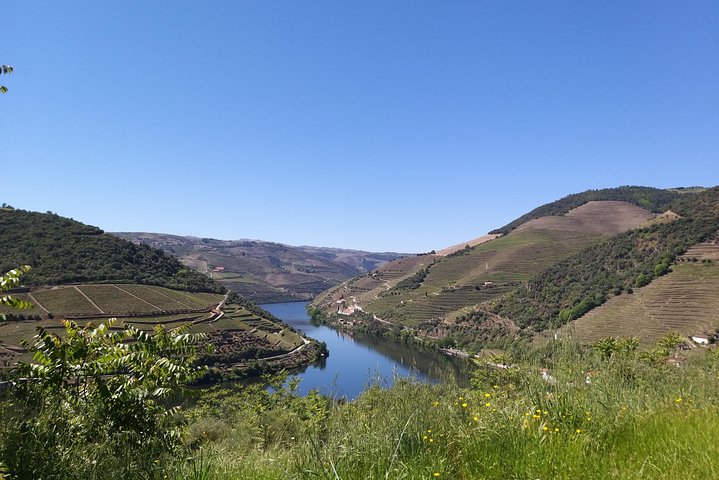
The Douro arrives like a long-held secret: slow, dark, and insouciant as it threads between steep terraces that rise like amphitheaters of vine and stone. Stand on the deck of a small sailboat as Porto slides aft—red-tiled roofs and the stacked façades of Ribeira give way to the wide estuary—and you feel the river negotiating two worlds. Upstream, the valley tightens into serried hills covered in low, twisted vines, each terrace a human answer to gravity and heat. Downstream, the Douro opens toward the Atlantic, a final, bracing inhalation of salt air. Between these moods the river dares you to slow down and pay attention.
The Douro Valley is both a landscape and a long-lived industry. It was the world’s first demarcated wine region, set apart in 1756 by the Marquis of Pombal to protect the quality—and taxes—of Port. The terraces you see are hewn from schist and shale, rock that flakes and traps warmth. That geology dictates everything: the soils retain heat for late-ripening grapes, water runs fast down tight slopes, and a mosaic of microclimates produces the concentration that made Port famous. The architecture of the valley—whitewashed quintas, old lagares where grapes were trodden, and tile-clad stations like Pinhão—reads like a ledger of local labor and craft.
Travelers arrive for different incentives. There are champagne sunsets and languid estuary crossings on vintage sailboats that open Porto’s skyline from a rare angle; you can taste three Port wines while gulls wheel and crew stories about Vila Nova de Gaia’s cellars unfurl. There are daylong routings inland—private or small-group drives along the National Road 222 which clings to the valley’s spine—punctuated by vineyard visits, winery lunches, and short Douro River cruises from Pinhão. These are complementary modes of knowing the landscape: you taste the soil in a glass, photograph the terraces from a river angle on a 45-minute cruise, and learn the human history in cellar tasting rooms where centuries of stored weather and technique are distilled into a bottle.
The valley’s human scale is intimate. Many producers are family-run quintas where the tasting menu reads like genealogy—old vines of Touriga Nacional and Tinta Roriz, fortified Ports alongside growing lines of DOC table wines that have elevated the region’s global standing over the last four decades. The food matches that intensity: slow-cooked stews, grilled meats, and river fish, all meant to be shared and to lengthen the afternoon. In Porto, the riverside lodges of Gaia offer a different education; their cellars—some dating to the 18th century—house the slow transformations of Port made from those same terraces upriver.
Practicalities matter here: the best boat experiences are small-group or private charters, where the river is a living room and the guide a storyteller. Morning departures from Porto take roughly 1.5–2 hours to reach Pinhão by vehicle; many full-day valley tours begin around 8:30 a.m. and combine two or three vineyard visits with a short cruise and a traditional lunch. River cruises vary—45 minutes for panoramic passages around Pinhão, up to an hour for private min-cruises that linger at viewpoints. Sunset sail options from Porto are shorter but magical: the mouth of the Douro is where river meets sea and light sharpens.
Timing is everything. Harvest (late August through October) is theatrical: tractors and pickers move like clockwork through terraces, and the valley is at its richest color and busiest tempo. Spring is green and flinty, summer is hot and parched on the slopes, and winter brings low clouds and pruning silence, when many quintas close for maintenance. If you want warm light and active cellar rooms, aim for September. If you prefer quiet terraces and discounted tours, winter offers solitude—but bring layers.
Logistics and comfort: the best boat-charters run with experienced crews who know tides, wind, and the quieter eddies where photography is best. On land, National Road 222 is picturesque but twisty; book a driver if you prefer not to navigate narrow hairpins. Respect winery schedules—many family quintas operate by appointment—and come hungry: vineyard lunches are as much about place as they are about flavor.
Sustainability is woven into the valley’s future. Terraces were built by hand; maintaining them is costly labor. Many quintas are adopting organic practices, reducing irrigation and protecting terrace walls. Small-boat operators and local guides are increasingly conscious about limiting passenger numbers, avoiding noise pollution, and encouraging guests to support family producers rather than just large lodges.
Why go? Because the Douro is a rare compound: geology that tastes like wine, a river that moves you through history, and a landscape shaped by human hands that still feels stubbornly alive. Whether you cruise from Porto at sunset, taste through family cellars in Pinhão, or drive National Road 222 with a guide who knows the backroads and the best viewpoints (Casal de Loivos, São Cristóvão do Douro), the Douro asks for the same thing of every visitor—slow down, listen, and bring a good pair of shoes. The reward is immediate: the river offers a perspective you cannot get from a map, and the valley gives a lesson in how place is made over centuries of work and weather.
A few things worth knowing.
Book tastings in advance
Many small quintas are open by appointment only—reserve vineyard visits and lunches at least a week ahead during high season.
Choose small boats for intimacy
Opt for small-group or private charters to avoid crowded decks and get better photo angles and personalized narration.
Layer for microclimates
Temperatures vary from cool river breezes on deck to hot terrace slopes—pack a light windbreaker and sun protection.
Respect terrace safety
Terrace walls can be unstable—stay on marked paths and avoid walking on dry stone walls to prevent erosion.
The local thread.
The Douro was legally demarcated as a wine region in 1756, creating one of the world’s first regulated appellations.
A closer look
- Casal de Loivos viewpoint (panoramic terrace overlooks)
- Tile panels at Pinhão Railway Station (folk scenes of wine culture)
Wildlife you might see
- European otter
- Common kingfisher
Many quintas are adopting sustainable viticulture to maintain terraces and reduce erosion; support small producers and follow marked paths to protect fragile dry-stone walls.
A different story in every season.
spring
Spring brings green rejuvenation and fewer crowds; layers and waterproofs are useful for changeable weather.
Good for
- Wildflower-lined drives
- Quieter tastings
- Fresh vine growth photography
Plan around
- Variable rain
- Lower river levels in some stretches
summer
Summer is hot on the slopes—book early-morning or evening activities and carry sun protection and water.
Good for
- Long daylight hours
- Sunset sail options
- Open-air lunches
Plan around
- High heat on terraces
- Strong sun exposure
fall
Autumn—especially September—is the most atmospheric time, with active harvests and vivid terrace colors.
Good for
- Harvest activity
- Peak colors
- Fresh-pressed wine tastings
Plan around
- Busy schedules during harvest
- Higher pricing
winter
Winter offers calm and fewer tourists but bring warm layers and check winery openings in advance.
Good for
- Solitude and quiet photography
- Lower prices
- Cellar tours indoors
Plan around
- Shorter daylight
- Some quintas closed for pruning
Pack a little wisdom.
- Sturdy walking shoesEssential
Grip and ankle support for uneven terrace paths and vineyard grounds.
- Light waterproof/windbreakerEssential
Protects against river breezes and sudden showers during spring outings.
- Polarizing filter or sunglassesEssential
Reduces glare on the water and brings out vine colors in bright conditions.
- Reusable water bottleEssential
Stay hydrated on terraces and during long lunch stops—helps reduce single-use plastic.
Through your own lens.
Shoot golden hour from the river for warm side light on terraces; use a telephoto (70–200mm) to compress vineyard rows and capture grape-pickers during harvest. A polarizer cuts glare on the water and deepens sky color—bracket exposures near bright reflections.
Before you head out.
What to pack
Sturdy walking shoes for terraces, windbreaker for river chills, reusable water bottle for hydration, camera with telephoto for vineyard details.
Did you know?
The Douro Wine Region was officially demarcated in 1756 by the Marquis of Pombal, making it the oldest wine region with regulatory boundaries in the world.
Quick travel tips
Reserve vineyard visits; hire a local driver for scenic roads; carry cash for small producers; plan for varying microclimates with layers.
Local flavor
Pair terrace views with hearty regional dishes—roasted goat, bacalhau, and slow-cooked stews—washed down with Douro table wines and finished with a tawny or vintage Port in Gaia.
Getting oriented
From Porto: 1.5–2 hour drive to Pinhão; book 45–60 minute river cruises or private sailboats; vineyard visits are often 1–2 hours with tastings; best to book transfers and tastings ahead during harvest.
Travel with care
Choose small-boat operators and family-run quintas that practice sustainable viticulture; avoid walking on dry-stone terraces and minimize single-use plastics.
The questions before the journey.
How long is a typical Douro river cruise?
Short city cruises last about 45 minutes; private or scenic river cruises can run 1–3 hours depending on the itinerary.
When is harvest season in the Douro?
Grape harvest typically occurs from late August through October, peaking in September for many vineyards.
Can I do tastings without booking a tour?
Some larger lodges accept walk-ins, but many small family quintas require appointments—book ahead, especially in high season.
Is the Douro region wheelchair accessible?
Accessibility varies; quainter quintas and terrace paths can be steep and uneven—check with operators for accessible options and transport.
What should I expect at a vineyard lunch?
Expect multi-course regional food paired with house wines and Ports; lunch is typically leisurely and may last 1.5–3 hours.
Are drones allowed for photography?
Drone use in Portugal is regulated—respect no-fly zones and private property; check local rules and ask permission before flying.
Original editorial content from The Adventure Collective; some writing uses automated assistance. Conditions and operator details can change. Confirm practical information before your visit. Suggest a correction.
FROM THE PAGE TO THE PLACE
Make a little room for adventure.
Published trip guides linked to this story. Check each itinerary and current availability with Viator.


Peso da Régua, Portugal
Feel the Douro: Full-Day Wine, Cliffs & Traditional Flavors Tour

Porto, Portugal
Porto Douro River Classic Boat Tour — 2-Hour Shared Cruise Under Six Bridges
Looking for more options? Explore Douro River (Rio Douro) on Viator ↗
More ways to explore Pinhao
Other experiences in the destination; check the itinerary for the places visited.

Pinhão, Portugal
Private Douro Valley Wine Tour from Porto — Pinhão, Port Tastings & N222 Scenic Drive

Pinhão, Portugal
Douro Valley Private Tour: Foz Côa Rock Art, Pinhão Village & Winery Tasting

Listed starting prices and ratings are saved information, not confirmation of availability. Final prices, dates, and terms are confirmed on Viator. We may earn a commission from qualifying bookings through sponsored links.