A VAYCAI STORY · THE ADVENTURE COLLECTIVE
Between the Arch and the Sea: Finding Solitude at Playa del Amor
A short boat ride from Cabo San Lucas, where granite meets the sea and snorkeling, whale watching and helmet dives are on the menu.

The boat eases into a small crescent of sand cupped by jagged granite and turquoise water. Salt air sharpens the edges of sound; gulls click and the Pacific breathes a slow, steady rhythm against a stone cathedral of an arch known simply as El Arco. You step onto Playa del Amor — Lover’s Beach — and for a moment the noise of Cabo San Lucas feels like another life entirely. Boats become distant punctuation marks. The ocean, playful and insistent, dares you to wade into its clear shallows; the rock faces hold a patient, geological memory of tectonic bargaining long before tourists arrived.
Playa del Amor is a short boat ride from Cabo San Lucas Marina, but it sits at the very lip of the Baja Peninsula’s temperamental meeting of the Sea of Cortez and the Pacific Ocean. That confluence created the dramatic granite sculpting at Land’s End: arches, spires, and sheltered coves that make the shoreline cinematic. On the Sea of Cortez side — the calm, swimmer-friendly half — the water is shallow, vibrant, and ideal for snorkelers. On the Pacific side, which faces the open ocean, the waves throw themselves at the rocks with an indifferent force; there’s even a local nickname, Divorce Beach, for that more dangerous shore.
History here is basalt and monument but also human. Indigenous Guaycura peoples once navigated these waters by canoe; later Spanish and international maritime interests used the natural harbor at Cabo for shelter and resupply. In recent decades, Los Cabos transformed into a global seaside destination, but Playa del Amor still preserves a feeling of remoteness because it is accessible only by water. That limited access is part of its charm and fragility: this sandbar is as social as it is stubbornly private.
Geology provides the backbone of the place. The granite that forms El Arco and the surrounding cliffs is part of the Peninsular Ranges batholith, uplifted and sculpted by wind, waves, and the slow shearing of ocean currents. Up close, the granite shows layers and crystalline textures, a reminder that the landscapes we move through were once molten rock and the patience of epochs. The ocean’s personality is equally layered: the Sea of Cortez side pools and teems, while the Pacific side rages intermittently, a duality that demands respect and attention.
Why go to Playa del Amor? It’s the kind of place that answers several questions at once: for snorkelers, the clarity and fish life around Pelican Rock and the nearby reefs are immediate and rewarding; for sailors and small-boat travelers, navigating the arches and coves is both photo-worthy and quietly technical; for those who want to feel small in the right way, standing at the edge of the land where Baja ends and the wide ocean begins is a bracing perspective.
A dozen different ways to experience Playa del Amor exist, each tuned to a different appetite. Morning snorkel cruises congregate around Pelican Rock and the calmer waters off Lover’s Beach; private catamarans and 35-foot charter cats offer flexible itineraries that can include swimming, snorkeling, and a stop to admire the Arch at close quarters. For a different angle, SeaTrek helmet diving lets non-divers stroll the seafloor and come face-to-face with parrotfish and moray eels beneath a reassuring dome of air. If you’re traveling December through April, whale-watching excursions — some outfitted with hydrophones to let you hear whale song — become a soulful companion to the shoreline scenery. And for a late-afternoon ritual, a sunset cruise circling El Arco closes the day with liquid gold horizons.
Practicality lives in the details here. Boats to Playa del Amor typically leave from Medano Beach or the marina; most rides are 10–20 minutes. The landing is informal — small pangas or tenders drop passengers on the sand — and there are no facilities on the beach beyond a scattering of vendors and a handful of anchored boats. Timing matters: head out early for calmer water, fewer boats, and the clearest snorkeling. If your plan includes snorkeling or SeaTrek, check whether gear is included; many private charters provide masks, fins, and flotation, but independent snorkelers sometimes prefer their own fit. Sunscreen should be reef-safe; bring a dry bag for your phone and a lightweight wind layer for the return trip when the ocean cools.
Safety is simple but non-negotiable. Never attempt to swim from Lovers Beach around the Arch to the Pacific side — currents are strong and unpredictable. Keep beach time to the side sheltered by the Arch, and follow crew instructions when boarding and disembarking. Respect the marine life; don’t touch coral or handle fish. The cove’s small size concentrates visitors during high season, so consider private or early-morning options if you want solitude.
Even in its accessibility — dozens of daily boats ply the water around Land’s End — Playa del Amor rewards a slower pace. Sit, watch the water trace its patterns, and you’ll notice the same things that make the place special: the way light slants on wet stone; the chatter of pelicans at Pelican Rock; the distant spout of a migrating whale in winter, a dark thumbprint on a vast sheet of ocean. The beach offers an elemental clarity: the meeting of land and sea, a place to recalibrate. Practical comforts — a well-timed charter, reef-safe sunscreen, a good mask — will get you there. What keeps you returning is simpler: that sliver of sand under your feet, the arch framing an endless horizon, and the honest, immediate company of the sea.
A few things worth knowing.
Take the early boat
Mornings bring the calmest water and best visibility for snorkeling; fewer boats mean better photos and more breathing room on the sand.
Bring reef-safe sunscreen
Protect coral and marine life by using sunscreen labeled 'reef-safe' and reapplying sparingly before entering the water.
Avoid the Pacific-facing shore
The Pacific side (Divorce Beach) has strong currents and dangerous waves — stay on the sheltered Sea of Cortez side and heed crew warnings.
Pack a dry bag and water shoes
A small dry bag protects phones and wallets during boarding, and water shoes ease rocky landings and reef exploration.
The local thread.
Playa del Amor sits at Land’s End, a natural passage historically used by indigenous canoeists and later by sailors navigating the Baja coastline; the granite formations are part of the Peninsular Ranges batholith.
A closer look
- Pelican Rock snorkel ledges for colorful reef fish
- Early-morning vantage points at Medano Beach for seeing the Arch with minimal boats
Wildlife you might see
- Humpback whales (winter months)
- Tropical reef fish including parrotfish and angelfish
The area’s popularity puts pressure on reefs and wildlife — choose certified operators, avoid touching coral, and use reef-safe sunscreen to reduce impact.
A different story in every season.
spring
Late spring offers warm water and good visibility; afternoons can be breezy, so morning departures are ideal.
Good for
- Calmer seas
- Snorkeling
- Fewer crowds than peak winter
Plan around
- Occasional windy days
- Shift toward warmer water
summer
Summer brings heat and vibrant underwater life but watch for afternoon storms and plan early outings.
Good for
- Warm water swimming
- Family-friendly snorkeling
- Long daylight hours
Plan around
- Higher temperatures
- Possible afternoon thunderstorms
- Increased boat traffic on holiday weekends
fall
Fall can be a sweet spot for fewer crowds and pleasant water temps, but keep an eye on tropical weather forecasts.
Good for
- Transitional weather
- Lower humidity
- Good snorkeling visibility
Plan around
- Occasional swell from Pacific storms
- Hurricane season considerations
winter
Winter is prime for spotting migrating whales and enjoying dramatic light — book tours early for the best slots.
Good for
- Whale watching (Dec–Apr)
- Calm seas at times
- Spectacular sunsets
Plan around
- Chillier mornings
- Peak tourist season around holidays
Pack a little wisdom.
- Reef-safe sunscreenEssential
Protects both your skin and local coral ecosystems while you snorkel and sun on the sand.
- Mask and snorkel (or fitted rental)Essential
A well-fitting mask improves underwater visibility and comfort around Pelican Rock and Lover’s Beach.
- Water shoesEssential
Help protect feet from rocky landings and sharp reef while boarding small boats or exploring the shallows.
- Small dry bag
Keeps phone, wallet, and a light jacket dry during boarding and while anchored off the cove.
Through your own lens.
Shoot early for soft, directional light on the rocks; use a polarizing filter to reduce glare and deepen blue tones; for underwater shots, get close to subjects to reduce suspended-particle haze and anchor your composition around El Arco for dramatic silhouettes at sunset.
Before you head out.
What to pack
mask and snorkel for clear reef encounters; reef-safe sunscreen to protect coral; water shoes for rocky landings; dry bag to keep valuables safe during boarding
Did you know?
Playa del Amor lies at Land’s End next to El Arco and is accessible only by water, a fact that has helped preserve its tiny shoreline despite heavy tourism in Cabo San Lucas.
Quick travel tips
Book a morning charter for calmer water; carry cash for small vendors and tips; confirm snorkel gear is included if needed; avoid swimming to the Pacific side (Divorce Beach) because of strong currents.
Local flavor
Cabo’s culinary scene blends fresh Pacific seafood and Baja flavors — try ceviche and grilled fish tacos after a morning on the water; local fishermen and cooperative-run pangas still ply the bay, offering a direct link between tourism and traditional livelihoods.
Getting oriented
Access: boat only from Medano Beach or Cabo San Lucas Marina • Facilities: none on the beach • Best time: early morning for calm water • Safety: avoid Pacific-facing shore • Payment: carry small cash for water taxis and vendors.
Travel with care
Choose operators with responsible wildlife protocols, avoid touching or standing on coral, use reef-safe sunscreen, and pack out any trash — the cove’s small footprint makes each visitor’s impact magnified.
The questions before the journey.
How do I get to Playa del Amor?
Playa del Amor is reachable only by water — most visitors catch a panga or charter boat from Medano Beach or the Cabo San Lucas Marina; rides typically take 10–20 minutes.
Is it safe to swim at Lover’s Beach?
Swimming is generally safe on the Sea of Cortez side where the cove is sheltered; avoid the Pacific-facing shore due to strong currents and waves.
Can I visit Playa del Amor on a sunset cruise?
Many sunset cruises pass El Arco and circle Land’s End but don’t all stop to disembark at Lover’s Beach — book a tour that explicitly includes a beach landing if you want to go ashore.
Are there facilities on Playa del Amor?
No — there are no permanent facilities on the beach aside from occasional vendors and anchored tour boats, so bring water, snacks, and sunscreen.
Is snorkeling around Lover’s Beach good?
Yes — the waters around Pelican Rock and the Sea of Cortez side of the cove offer clear water and abundant fish, making it a popular snorkel spot.
When is the best time to see whales from Cabo?
Whale season runs roughly December through April, with peak sightings often in February and March; many whale-watching tours operate from Cabo San Lucas during these months.
Original editorial content from The Adventure Collective; some writing uses automated assistance. Conditions and operator details can change. Confirm practical information before your visit. Suggest a correction.
FROM THE PAGE TO THE PLACE
Make a little room for adventure.
Published trip guides linked to this story. Check each itinerary and current availability with Viator.

Cabo San Lucas, Mexico
Cabo Dolphin Encounter: Natural Space Bottlenose Experience with Optional Pickup

Cabo San Lucas, Mexico
Snorkel Cruise to Santa Maria Bay Aboard the Pez Gato in Los Cabos

Cabo San Lucas, Mexico
Snorkeling Catamaran Tour at Santa Maria Bay — Cabo San Lucas Reef Adventure

Cabo San Lucas, Mexico
Private Sunset Catamaran Cruise in Los Cabos with Snorkel and Paddleboard
Looking for more options? Explore Playa del Amor (Lover’s Beach) on Viator ↗
More ways to explore Cabo San Lucas
Other experiences in the destination; check the itinerary for the places visited.


Cabo San Lucas, Mexico
Cabo Migrino UTV Adventure: Desert, Mountain & Beach Off‑Road Tour

Cabo San Lucas, Mexico
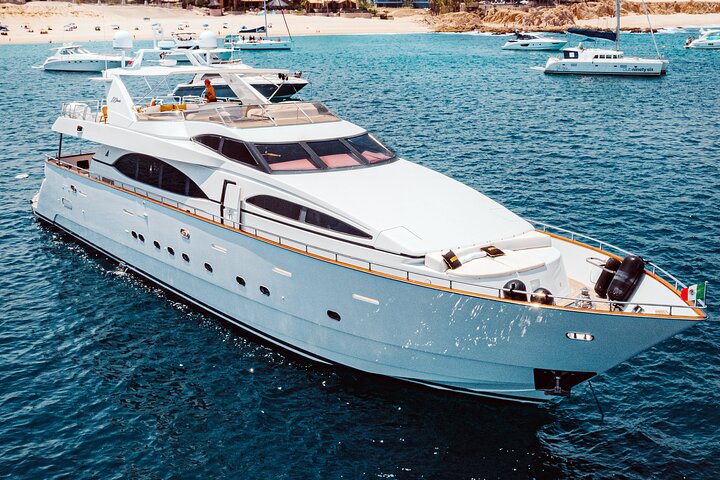
Charter the 108-ft Neoprene Overmarine Yacht: Luxury Cabo Cruises, Snorkeling & Sunset Parties
Listed starting prices and ratings are saved information, not confirmation of availability. Final prices, dates, and terms are confirmed on Viator. We may earn a commission from qualifying bookings through sponsored links.
KEEP YOUR CURIOSITY GOING
One story leads to another.

Cabo San Lucas · Mexico
Where the Sea Meets the Town: Exploring Cabo San Lucas Cruise Port
From the limestone arch at Land’s End to morning sportfishing lines and evening sunset sails, Cabo San Lucas Cruise Port is where Baja’s marine life and vibrant marina culture converge—ideal for travelers who want quick access to waterborne adventure and local flavor.
Read the story ↗
Cabo San Lucas · Mexico
Fox Canyon: A Wild Hourglass Between Desert and Sea
A compact canyon hike a short drive from Cabo San Lucas, Fox Canyon delivers coastal winds, desert flora, and geological drama in a 2–4 mile outing. This guide pairs sensory storytelling with practical route and gear advice to help you plan the trip.
Read the story ↗
Cabo San Lucas · Mexico
Blue-Flagged Bliss: A Day at Chileno Beach and the Sea of Cortez
Chileno Beach pairs warm, shallow reefs with dramatic granite backdrops and a Blue Flag seal of approval. Whether you’re snorkeling from a glass-bottom boat, sailing a luxury catamaran, or casting off for a private fishing trip, Chileno is a concise introduction to the Sea of Cortez.
Read the story ↗