A VAYCAI STORY · THE ADVENTURE COLLECTIVE
Delta Guardians: Exploring Can Gio Mangrove Biosphere Reserve
A living shoreline daytrip from Saigon — boats, monkeys and mangrove towers

The boat’s motor drops to a hush as we slip into a channel threaded with roots. A black tide moves like a slow, watchful animal beneath the submerged trunks; the mangrove’s aerial roots rise and fall like a city’s skyline, each prop root holding a secret. In the distance Tang Bong Tower pierces the canopy — a metal spine where guides say you can see the biosphere like a map: a braided delta, mudflats, and the occasional glint of something large slipping through the water. This is Can Gio Mangrove Biosphere Reserve, Vietnam’s living shoreline, and in a single daytrip from Ho Chi Minh City it feels less like an attraction and more like an education in how coastlines survive.
Can Gio is a place of contrasts. At low tide the forest is a tangle of black roots and fiddler crabs; at high tide the waterways widen and the mangroves become a labyrinth of green corridors. Its modern story is one of recognition and recovery — the area was designated a UNESCO Biosphere Reserve for its role as a coastal refuge and nursery for more than 200 species of fauna and over 150 botanical types. For city dwellers in Saigon, the delta offers a quick but profound reminder that the Mekong’s influence extends into sheltered estuaries where fishermen still read tides the way city folk read bus timetables.
Tours — whether a private Vam Sat Eco Adventure, a VIP speedboat transfer, or a one-day Can Gio Mangrove Biosphere Reserve itinerary — thread together the reserve’s must-sees. A typical route begins with the drive southeast from Ho Chi Minh City (roughly 1.5–2 hours depending on traffic), then a brief boat transfer into the forest. You’ll visit Monkey Island, where long-tailed macaques patrol the shoreline and will inevitably study you with the blasé curiosity of locals; climb Tang Bong Tower for a panorama of the delta; thread narrow canals for birdwatching; and, depending on your tour, try crab-catching or observe crocodile conservation programs. On longer excursions you can connect the mangroves with Thanh An Island and Vung Tau for a beachside second act.
Geology and ecology are what make Can Gio feel almost engineered for storytelling. The mangroves are salt-tolerant engineers: their roots trap sediment, tame storm surges, and create new mudflats where fish and crustaceans mature. The sediment-loaded waters of the Saigon River slow as they meet the South China Sea, depositing nutrients that feed dense bird populations and a web of small predators. That web includes the region’s elusive estuarine crocodile and a chorus of breeding waterbirds that find safe roosts in the higher branches.
Culturally, the district is still framed by fishing communities — small, resilient settlements where seafood is both economy and identity. On tours you’ll often stop for a simple seafood lunch, plates of freshly grilled crab and fish served with lime and chili. Those meals are as much part of the experience as the mangroves themselves: they connect you to the livelihoods that rely on a healthy delta.
Practical guidance is straightforward. If you take a full-day private tour from Saigon, expect 6–8 hours from pickup to return. Trails are flat (the ‘hikes’ are boardwalks and short forest walks rather than mountain climbs), but expect mud, humidity, and intermittent splashes from boat travel. Tang Bong Tower is a 26-meter ascent by steel steps — short but rewarding — and canal cruising requires a steady balance and some patience for wildlife sightings.
Health and gear considerations aren’t glamorous but matter: mosquito repellent, a wide-brim hat, tonal layers to deal with sun and sudden gusts, and shoes that can handle wet boardwalks will keep you comfortable. Bring a refillable water bottle — reusable plastic is better for the preserve — and a dry bag for electronics if your tour includes open-boat sections. If you’re a photographer, a telephoto lens or a good zoom will pay dividends; a polarizing filter helps cut glare on bright days.
Timing is tactical. Early morning brings bird activity and cooler temperatures; late afternoon is soft light and a quieter river. Peak tourist months sit outside the monsoon: December through April tend to be drier and more comfortable for walking and boating. Conversely, the wet season turns channels fuller and the forest lusher, but expect afternoon showers and more aggressive insects.
Respect goes both ways here. Don’t feed the macaques — it alters their behavior and can make them aggressive. Stay on marked trails and boardwalks to protect seedbeds and the delicate root systems. When selecting a tour, favor operators who emphasize conservation, support local communities, and keep groups small; many private Vam Sat eco-tours and VIP speedboat options allow customization and limit environmental impact.
For anyone coming from Ho Chi Minh City, Can Gio is an easy, immersive escape. It’s ideal for birders, families (kids quickly warm to the monkeys), photographers, and travelers who want a nature-rich day outside the city. The biosphere’s strength is its accessibility: you can move from urban pace to tidal rhythm in under two hours, and return with a deeper sense of how the Mekong’s margins sustain life — and how fragile that balance can be.
When the boat turns for home and the tower shrinks behind the canopy, the mangrove seems to recede like a patient creature taking its breath back. Can Gio doesn’t give itself away all at once; it asks you to notice sound — the rasp of a kingfisher, the slap of a tailfish — and to accept that some lessons come in the logistics of tide and wind. Those practical rhythms are part of the appeal: here, adventure and instruction arrive together.
If you go: expect to get slightly wet, to learn something about coastal resilience, and to leave with a new appreciation for the black-rooted guardians that stand between sea and city.
A few things worth knowing.
Mind the tides
Boat schedules and wildlife visibility shift with the tide; morning high tide often makes canal cruising smoother and reveals more birdlife.
Wear water-resistant shoes
Boardwalks and forest trails can be muddy; closed-toe, quick-dry footwear prevents slips and protects feet from sharp roots.
Use insect repellent
Mosquitoes and biting midges are common in the humid mangroves — DEET or picaridin and long sleeves during dusk help a lot.
Don’t feed the wildlife
Feeding macaques or birds changes their behavior and can endanger both animals and visitors; observe from a distance.
The local thread.
Can Gio was designated a UNESCO Biosphere Reserve in recognition of its role as a coastal nursery and biodiversity hotspot, and the area supports traditional fishing communities that predate modern Saigon expansion.
A closer look
- Thanh An Island — a quiet fishing island with local markets and sunset views
- Bat sanctuary and bird rookeries reachable by small-boat channels
Wildlife you might see
- long-tailed macaque
- estuarine (saltwater) crocodile
Mangrove restoration and sustainable tourism initiatives help protect shoreline resilience and local livelihoods; visitors are encouraged to choose operators that support these programs.
A different story in every season.
spring
Spring (Mar–May) brings pleasant mornings and active birdlife; afternoons can warm and produce sporadic showers.
Good for
- birdwatching
- cooler mornings
Plan around
- occasional rain
- muddy trails
summer
Summer intensifies the greenery and fills waterways, but expect heavy rain and higher humidity — plan flexibility into your schedule.
Good for
- lush mangrove photography
- full channels for boating
Plan around
- hotter temperatures
- monsoon rains
fall
Autumn brings comfortable temperatures and steady bird activity; it's an ideal shoulder season for longer explorations.
Good for
- crisp light for photography
- less crowded tours
Plan around
- shorter daylight
- cooler mornings
winter
Winter (Dec–Feb) is the dry season — clearer skies and lower humidity make this the most convenient time for day tours.
Good for
- dry conditions
- easy travel from Saigon
Plan around
- cool mornings
- higher demand from tourists
Pack a little wisdom.
- Refillable water bottleEssential
Hydration is critical in humid conditions and shops can be sparse at remote sites.
- Lightweight rain jacket
Quick showers are common in the wet season; a compact shell keeps you comfortable.
- Sturdy water-resistant shoesEssential
Protects against muddy boardwalks and slippery boat decks.
- Binoculars or telephoto lens
Essential for birdwatching and photographing wildlife from a respectful distance.
Through your own lens.
Bring a zoom (200–400mm) for birds and monkeys, use a polarizer to reduce glare on water, shoot during golden hours for soft light, and protect gear with a small dry bag during boat rides.
Before you head out.
What to pack
Insect repellent, water bottle, waterproof shoes, lightweight rain jacket — for comfort, hydration, safe footing, and sudden showers.
Did you know?
Can Gio was recognized as a UNESCO Biosphere Reserve and plays a vital role as a coastal nursery supporting over 200 species of fauna and more than 150 species of plants.
Quick travel tips
Book early-morning departures for better wildlife viewing; carry small cash for local stalls; confirm boat transfers with your operator; wear quick-dry clothing.
Local flavor
Seafood is central: many tours end with a communal meal of grilled fish and crab at local stalls; Thanh An Island offers a quieter, community-driven contrast to the mangrove’s waterways.
Getting oriented
Distance: ~40–60 km from Ho Chi Minh City; Travel time: 1.5–2 hrs by road; Typical tour length: 6–8 hrs; Bring: cash, sun protection, insect repellent.
Travel with care
Choose operators who support mangrove restoration and local communities, avoid single-use plastics, and observe wildlife without feeding or disturbing animals.
The questions before the journey.
How long is a typical Can Gio tour from Ho Chi Minh City?
Most day tours last 6–8 hours door-to-door, with a drive of about 1.5–2 hours each way depending on traffic.
Are tours suitable for children?
Yes; many operators offer family-friendly itineraries, but keep children supervised around water and wildlife, and avoid feeding animals.
Will I see crocodiles and monkeys on every visit?
Monkeys on Monkey Island are reliably visible; crocodiles may be seen at conservation centers or from a distance but are less predictable in the wild.
Do I need to book a private tour or are group options okay?
Both work — private tours offer flexibility for photography and timing, while group tours are more budget-friendly; prioritize operators with conservation-minded practices.
Are there restrooms and food options in the reserve?
Basic facilities and local seafood lunches are available at visitor areas and on some tour itineraries; carry small change as card acceptance can be limited.
Is the area accessible for people with limited mobility?
Access varies: some boardwalks are wheelchair-friendly but boat transfers and uneven surfaces can be challenging; check specific operator accessibility info before booking.
Original editorial content from The Adventure Collective; some writing uses automated assistance. Conditions and operator details can change. Confirm practical information before your visit. Suggest a correction.
FROM THE PAGE TO THE PLACE
Make a little room for adventure.
Published trip guides linked to this story. Check each itinerary and current availability with Viator.


Can Gio, Vietnam
Paddling the Can Gio Mangroves: Small-Group Eco Tour from Ho Chi Minh City

Can Gio, Vietnam
Private Can Gio Mangrove Forest & Monkey Island Tour from Ho Chi Minh City

Ho Chi Minh City, Vietnam
Vam Sat Mangrove & Monkey Island Eco Tour from Ho Chi Minh City
Looking for more options? Explore Can Gio Mangrove Biosphere Reserve on Viator ↗
More ways to explore Ho Chi Minh City
Other experiences in the destination; check the itinerary for the places visited.

Ho Chi Minh City, Vietnam
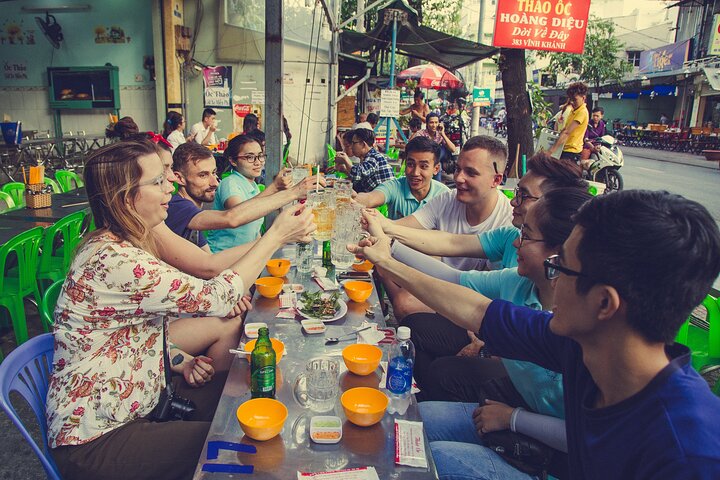
Saigon Zero-Tourist Food Tour: Off-the-Beaten-Path Eats by Moped

Ho Chi Minh City, Vietnam
Ho Chi Minh City Scooter Street Food Tour: Ride Saigon’s Best Local Bites

Ho Chi Minh City, Vietnam
Saigon Private Street Food & Motorbike Tour — Ultimate Evening Eats
Listed starting prices and ratings are saved information, not confirmation of availability. Final prices, dates, and terms are confirmed on Viator. We may earn a commission from qualifying bookings through sponsored links.