A VAYCAI STORY · THE ADVENTURE COLLECTIVE
Downtown Estes Park: Where Trail Ridge Road Meets Main Street
Main Street meets alpine grandeur — a gateway town for Rocky Mountain adventures

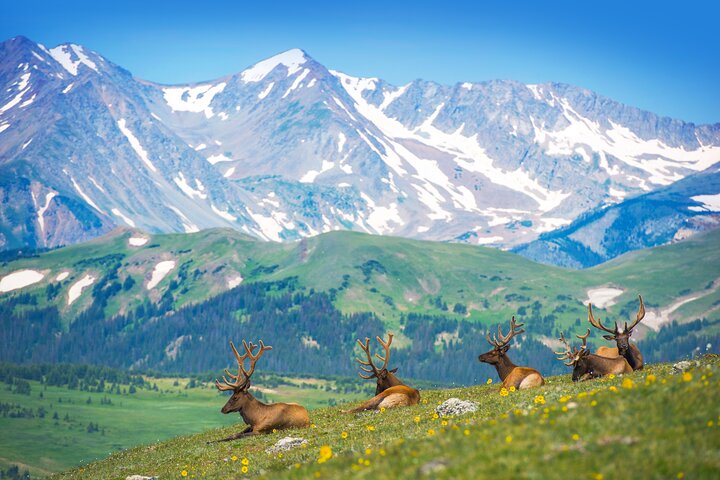
The first thing you notice in Downtown Estes Park is how quickly the town steps out of a postcard and into motion. Morning light slides over the jagged teeth of the Continental Divide and pools along the Big Thompson River as shopkeepers sweep wooden porches and the scent of roasted coffee drifts from cafés. Elk graze unconcernedly on manicured lawns; tourists pause for photos while mule deer pick their way through flowerbeds. It feels intimate and alpine at once — the kind of place that reads like a gateway and behaves like a destination.
From this compact corridor of artisan shops, lodges, and the venerable Stanley Hotel, the world fans outward into the raw geometry of Rocky Mountain National Park. Geology and weather have done the town a favor: glaciers carved the valleys, leaving behind broad U-shaped bowls, moraines and glacial lakes. Trail Ridge Road tackles the mountains above town, climbing through montane forest to brittle alpine tundra. On a clear day you can ride 11 miles above timberline and top out at 12,183 feet, an elevation that makes your breath come quick and your jaw go slack at the views.
History here is layered. Long before postal addresses and souvenir shops, Ute, Arapaho, and other Indigenous peoples used these valleys for seasonal hunting and trade. European-American settlement in the 19th century turned Estes Park into a mountain retreat; the Stanley Hotel (opened 1909) anchored the town’s tourism story and later achieved pop-culture immortality as the inspiration for Stephen King’s The Shining. That heritage sits beside a living culture of guide services, outfitters and seasonal events designed around the landscape itself.
The smart way to experience Downtown Estes Park is to let the town do the logistics and the park do the heavy lifting. For a compact itinerary: stroll the River Walk in the morning, grab a map and coffee, then choose your angle. If you want a relaxed, insightful loop, the Rocky Mountain National Park Car Tour from Estes Park delivers a three-hour guided gallery of park highlights — Sprague Lake, Beaver Meadows, Many Parks Curve — with binoculars and water supplied. Families and casual explorers will appreciate the Estes Park Family e-Bike Tour, a two-hour pedal-assisted ride that covers more ground with less effort while a guide points out natural and local history.
If you’re chasing alpine drama, book a summer day that includes Trail Ridge Road; tours that travel the 11 miles above timberline give several short walks to photograph and explore fragile tundra. Note the thinning air: elevations above 10,000 feet demand respect. Come prepared to slow down and hydrate. For winter travelers, the RMNP Winter Wonderland Adventure Tour swaps hot springs for hot cocoa: custom 4x4 vehicles, guided snow hikes to frozen lakes and waterfalls, and opportunities to sled and watch wildlife against a severe, beautiful palette of snow and stone.
Practical rhythms matter here. Trails stack up into different ecosystems — montane forests of lodgepole and aspen, subalpine meadows, and alpine tundra — and each requires different footwear and pacing. The Big Thompson River dares you to slow down; let it. Sit on a bench along the River Walk before a longer outing and check your gear. Elk are part of the town: view them from a distance, especially during rut in fall when bulls grow bold and mornings fill with bugling.
Logistics: Estes Park is a 90–120 minute drive from Denver depending on traffic. Many tours offer pick-up or start in town, which removes the stress of parking at trailheads during peak season. If you drive into Rocky Mountain National Park, check entrance limits and timed-entry requirements in summer and holiday windows; private car tours are a practical way to visit key viewpoints without the hassle. Bring sunscreen and strap on sunglasses; sun and reflection off snow or rock intensify UV at altitude.
The town’s compactness is part of its charm. After a day of tundra and elk, return to Main Street for local brews, mountain cuisine, and artisan shops selling everything from hand-thrown pottery to high-altitude trail snacks. Explore the Stanley Hotel’s history if you’re into architecture or spooky lore, but save time for small discoveries — a riverside picnic at dusk, a local baker’s cinnamon roll, or an evening stargaze where town lights dim and the Milky Way asserts itself.
Why go? Downtown Estes Park is a rare junction between easy access and wild country. It’s a place where first-timers can taste alpine life on an e-bike or a guided car tour, where families can build a winter memory on sleds and snow hikes, and where experienced backcountry travelers can step into the park’s high routes with local knowledge close at hand. Above all, it’s a basecamp that respects both convenience and the ragged edges of the Rockies.
If you go: slow your itinerary to allow acclimation, keep wildlife wild, and treat the town as more than a refueling stop. Let a guide show you the hidden curves of Trail Ridge Road, pedal an e-bike along shaded byways, and don’t rush the River Walk at sunset. Estes Park rewards curiosity and patience — the payoff isn’t just the view from the rim, it’s the way the landscape keeps drawing you back toward it.
A few things worth knowing.
Acclimate to altitude
Spend a slow morning in town, hydrate well, and avoid heavy exertion your first day to reduce altitude sickness risk.
Keep a respectful distance from wildlife
Elk and marmots are common; use binoculars and stay at least 25 yards away — more during elk rut.
Layer for rapid weather shifts
Temperatures can vary dramatically between downtown and alpine summits, so pack a windproof mid-layer.
Book timed-entry or tours in peak season
Summer weekends fill quickly — reserve car tours or e-bike experiences ahead to avoid long waits at park entrances.
The local thread.
Estes Park grew as a mountain retreat in the late 19th century; the Stanley Hotel opened in 1909 and later inspired Stephen King’s The Shining.
A closer look
- Lily Lake loop for a peaceful, low-elevation stroll
- The River Walk’s historic bridges and artisan stands away from Main Street crowds
Wildlife you might see
- Elk
- Yellow-bellied marmot
Respect seasonal closures, stay on durable surfaces to protect alpine tundra, and never feed wildlife — human food alters animal behavior and health.
A different story in every season.
spring
Spring brings meltwater and early blooms; lower-elevation walks are pleasant but Trail Ridge Road may remain closed into late spring.
Good for
- Early wildflowers
- Less crowded trails
Plan around
- Snow at higher elevations
- Variable road openings
summer
Summer offers the most reliable access to alpine tundra and long-day hiking, but arrive early to beat crowds and sun exposure.
Good for
- Trail Ridge Road access
- Wildlife viewing at high meadows
Plan around
- Crowds and limited parking
- Intense sun at altitude
fall
Late summer into early fall provides crisp air, golden aspens, and dramatic wildlife activity; layers and road-checks are essential.
Good for
- Aspen color
- Elk rut viewing
Plan around
- Cold nights and early snow
- Busy weekends for foliage and hunting seasons
winter
Winter transforms Estes Park into a snow playground—guided winter-safari tours handle transport and gear, making exploration easier and safer.
Good for
- Snowshoeing and sledding tours
- Photography of snowy peaks
Plan around
- Icy roads and limited services
- Trail closures and deep snow in park
Pack a little wisdom.
- Insulated, breathable layersEssential
Quickly adapt to changing alpine temperatures and wind at higher elevations.
- Sturdy hiking shoesEssential
Trails and town sidewalks can be rocky, wet, or icy depending on season.
- Hydration system or 1–2L water bottleEssential
Altitude increases dehydration risk—drink regularly even if you don’t feel thirsty.
- Binoculars or telephoto lens
Useful for wildlife viewing and distant alpine vistas from town or tours.
Through your own lens.
Shoot golden hour from the River Walk for soft light on the Continental Divide; use a telephoto (200–400mm) for elk and marmots and a wide-angle for alpine vistas—bracket exposures in high-contrast scenes and carry lens cloths for gusty, dusty conditions.
Before you head out.
What to pack
Water (1–2L) for altitude, layered jacket for quick temp shifts, sunscreen and sunglasses for intense UV, binoculars for wildlife viewing
Did you know?
Rocky Mountain National Park was established in 1915; the Stanley Hotel in Estes Park (opened 1909) later inspired Stephen King’s novel The Shining.
Quick travel tips
1) Book tours or parking early in peak season; 2) Acclimate a day before strenuous hikes; 3) Keep wildlife-safe distances—use binoculars; 4) Check Trail Ridge Road status before heading out.
Local flavor
Downtown Estes Park blends mountain cuisine—elk burgers and trout—with local craft brews, galleries and a calendar of seasonal festivals; many shops source goods from Colorado artisans.
Getting oriented
Basecamp: Downtown Estes Park. Nearest major airport: Denver International (90–120 min). Must-do: Trail Ridge Road views; family pick: e-bike tour; winter pick: guided snow adventure. Cash/card friendly, limited summer parking.
Travel with care
Support local guides and small businesses, stay on marked trails to protect fragile tundra, and observe wildlife from a distance—these practices minimize human impact in a delicate ecosystem.
The questions before the journey.
How far is Downtown Estes Park from Denver?
It’s roughly a 90–120 minute drive depending on traffic and weather; many tours offer pick-up from Denver.
Do I need reservations for Trail Ridge Road views?
No reservation for the road itself, but parking and timed-entry restrictions can apply in peak season; guided tours avoid most hassle.
When is the best time to see elk?
Elk are visible year-round, but mornings in spring and the rut in early fall (September–October) increase viewing chances.
Are tours family-friendly?
Yes—options like the Estes Park Family e-Bike Tour and private car tours are designed for families and casual travelers.
What about altitude sickness?
Common at elevations above 8,000–9,000 feet; acclimate by resting, hydrating, avoiding alcohol, and descending if symptoms worsen.
Can I explore Rocky Mountain National Park without a guide?
Yes, but during busy periods guides help with logistics and access; some high routes require navigation skills and winter travel expertise.
Original editorial content from The Adventure Collective; some writing uses automated assistance. Conditions and operator details can change. Confirm practical information before your visit. Suggest a correction.
FROM THE PAGE TO THE PLACE
Make a little room for adventure.
Keep exploring the place and its experiences.
Looking for more options? Explore Downtown Estes Park on Viator ↗
More ways to explore Estes Park
Other experiences in the destination; check the itinerary for the places visited.

Estes Park, United States
Over the Top: Full-Day Trail Ridge Road Tour in Rocky Mountain National Park

Estes Park, United States
Trail Ridge & Bear Lake Photography Tour — Rocky Mountain National Park (Private 3/4 Day)

Estes Park, United States
Private Geology Tour in Rocky Mountain National Park: Guided Rock, Ice & Tectonic Stories
Listed starting prices and ratings are saved information, not confirmation of availability. Final prices, dates, and terms are confirmed on Viator. We may earn a commission from qualifying bookings through sponsored links.
KEEP YOUR CURIOSITY GOING
