A VAYCAI STORY · THE ADVENTURE COLLECTIVE
Harbor Light: Rolling the Shoreline of Rainbow Harbor
A compact coastal ride and waterfront loop that pairs easy bike miles with seaside culture and harbor views.

The morning at Rainbow Harbor has a particular way of arriving: light stitches itself across slick hulls, gulls inspect the day with impatient precision, and the water—glassy and cool—seems to dare you to move. You push off from Shoreline Village on a rental bike and the city loosens. The Pike’s curved arcade of shops slides behind you, marina fingers full of boats—luxury yachts and fishing skiffs—leans into the breeze. For a few hours Long Beach is reduced to a stretch of ocean-side pavement and the steady cadence of tires on boardwalk. It’s a small, exacting kind of freedom.
Rainbow Harbor is both stage and gateway: a compact, hard-working waterfront at the heart of Long Beach that fronts museums, shops, and the famed Shoreline Pedestrian Bikeway. The bikeway itself is a five-mile ribbon that edges the city’s southern shore and leads past Naples’ canals, the statue-lined promenade, and a neighborhood that smells faintly of salt and espresso. The terrain is mercifully flat—what you trade in vertical gain you get in open sightlines, the kind of coastal exposure that invites reflection and quick decisions: stop for coffee, linger for seals, or sprint for a closing sunset.
Geology and human design have braided here. The shoreline is an engineered score of breakwaters and dredged channels feeding the Port of Long Beach, one of the world’s busiest shipping hubs. That functional intensity sits cheek-by-jowl with leisure—marinas, the Aquarium of the Pacific, and The Pike Outlets, which occupies the footprint of an old amusement zone. Long Beach’s waterfront has been remade repeatedly: wharves and piers gave way to promenades and retail; industry softened into recreation without losing its salty edges.
Culturally, Rainbow Harbor reads like a condensed version of Southern California. There’s surf culture filtered through seafaring tradition, immigrant communities shaping neighborhood eateries, and a persistent, civic pride in the harbor’s working history. The Pike’s neon and the Aquarium’s glass facade are modern signposts; beneath them are older stories—fishing families, short-lived amusement parks, and longshore labor that built the city’s prosperity.
Practicality is part of the appeal. The Self-Guided Bike Tour that starts at Shoreline Village is intentionally low-friction: rentals, mapped routes, and a pace that’s adaptable to families and solo cyclists alike. The route to Naples and back is roughly five miles each way if you loop side streets, but most riders plan a 2–4 hour outing with stops—cafés, viewpoints, and the canals—built into their schedule. Elevation gain is negligible; the main considerations are wind, pedestrian traffic, and occasional construction near the piers. Bring a lock if you plan to shop The Pike or visit the Aquarium—they’ll be tempting detours.
The harbor rewards moderate attention. Early morning and late afternoon are the best windows: light is kinder, crowds are thinner, and the wind often calms. Midday is brighter but busier; summers bring more people, and winter can bring raw onshore winds that make the five miles feel longer. There’s a practical kindness to this coastline—restrooms, benches, and options for coffee or seafood within a short radius—so it’s easy to shape an outing to your energy level. If you’re coming from Los Angeles and want a curated day, the private shopping transfer that drops you at The Pike gives a comfortable, sit-back start to a harbor walk or bike.
For photographers, Rainbow Harbor is generous: reflections in the marina, piers silhouetted at golden hour, and intimate street scenes in Shoreline Village. For wildlife watchers, look for brown pelicans, herons on pilings, and the occasional harbor seal paddling near boat wakes. Sustainable visitors will appreciate that biking is one of the most efficient ways to experience the waterfront; the route is friendly to e-bikes and human power alike.
The harbor’s modest scale is part of its charm. It’s not remote or alpine; it is urban nature—engineered, frequented, and honest about its amenities. That makes it an excellent day trip for travelers who want coastal exposure without the logistics of a wilderness trek. Bring a wind layer, lock your bike, and let the harbor decide how long you stay. You’ll leave with sand in your shoes, a new favorite seafood spot, and the satisfying knowledge that a world-class port and a laid-back seaside promenade can share the same horizon.
Routes, rentals, and a friendly sense of civic care make Rainbow Harbor a practical base for coastal exploration. Whether you’re rolling the five-mile Shoreline Pedestrian Bikeway, ducking into The Pike Outlets for a coffee and a browse, or charting a slow course past the aquarium and marina, it’s a compact, accessible reminder that some of the best adventures are short, clear, and imminently do-able. The harbor invites you in; the city makes it easy to stay.
A few things worth knowing.
Lock and leave smart
Bring a quality U-lock for pit stops at The Pike or the Aquarium—bike racks are plentiful but left unlocked bikes attract trouble.
Watch the wind
Onshore breezes can be strong in the afternoon; pack a light windbreaker and plan your return leg to be with the wind when possible.
Time your ride
Start early or aim for late afternoon to avoid crowds and get the best light for photos.
Respect marina space
Stay on designated paths and avoid private docks—marina fingers are active working areas with restricted access.
The local thread.
The Pike area sits on the site of Long Beach’s historic amusement zone; the harbor itself grew around port and marina development tied to 20th-century shipping.
A closer look
- Naples canals—quiet, residential waterways ideal for a slower spin
- The waterfront walking path behind the Aquarium for intimate harbor views
Wildlife you might see
- brown pelican
- harbor seal
Local groups work on shoreline habitat restoration and water-quality monitoring; choose low-impact options like biking or public transit to reduce your footprint.
A different story in every season.
spring
Spring brings comfortable temperatures and migrating birds; paths are lively but generally pleasant—pack a light rain layer just in case.
Good for
- biking
- wildlife spotting
- mild weather
Plan around
- occasional rain
- slick paths after storms
summer
Summer is busy and bright—perfect for sunset rides but expect more people and plan for heat and wind near noon.
Good for
- longer daylight rides
- waterfront dining
- evening events
Plan around
- crowds
- higher temperatures
- onshore wind afternoons
fall
Fall is ideal: fewer crowds, warm afternoons, and crisp light—an excellent season for cycling and exploration.
Good for
- mild weather
- clear skies
- photography
Plan around
- shortening days
- occasional coastal fog
winter
Winters are cooler and can be windy; still, the harbor is quieter and dramatic on storm days—dress in layers and check forecasts.
Good for
- storm-watching
- quiet walks
- lower prices
Plan around
- strong winds
- cooler temperatures
Pack a little wisdom.
- HelmetEssential
Protects against urban hazards—required for safe cycling around pedestrians and traffic.
- U-lockEssential
Secure your bike during shopping or museum stops—light cable locks are not enough in busy areas.
- Windbreaker or light layersEssential
Coastal winds change quickly; a packable layer keeps you comfortable on exposed sections.
- Sunscreen & sunglassesEssential
Sun reflects off water—protect skin and eyes during midday rides.
Through your own lens.
Shoot early or late for golden light and reflections; use a polarizing filter to cut glare on the water and bring a mid-range zoom (24–70mm) for marina details and wider harbor panoramas.
Before you head out.
What to pack
Helmet (safety); U-lock (security); windbreaker (coastal gusts); water bottle (hydration on the bike)
Did you know?
The Aquarium of the Pacific sits immediately adjacent to Rainbow Harbor and is one of the largest aquariums in the United States.
Quick travel tips
Arrive early to avoid crowds; bring a bike lock; check the wind forecast; combine your ride with a Pike Outlets stop for food or shopping.
Local flavor
Long Beach blends waterfront seafood shacks, Mexican and Asian eateries, and trendy café culture—try a shrimp plate near the marina or a coffee in Shoreline Village after your ride.
Getting oriented
Distance: ~5 miles one-way on the Shoreline Bikeway; Difficulty: flat and accessible; Parking: paid lots at Shoreline Village; Rentals: available on-site; Best times: early morning or late afternoon.
Travel with care
Choose cycling or public transit to reach Rainbow Harbor, avoid single-use plastics at waterfront eateries, and respect wildlife by keeping distance from seals and bird colonies.
The questions before the journey.
Are there bike rentals available at Rainbow Harbor?
Yes—multiple rental shops at Shoreline Village offer hourly and daily rentals, including multi-speed and electric bikes suitable for the five-mile bikeway.
Is the Shoreline Pedestrian Bikeway suitable for children?
Yes—the path is paved and mostly flat, but keep children close through busy sections near Shoreline Village and around popular viewpoints.
Where can I park near Rainbow Harbor?
There are several paid lots and street parking options around Shoreline Village and The Pike; early arrival ensures easier parking during weekends and events.
Can I bring a dog on the bikeway?
Dogs are allowed on leash in most public areas, but keep them off busy pedestrian sections and check specific park rules for beach access.
Are restrooms and water refill stations available?
Yes—public restrooms and water fountains are located near Shoreline Village and at intervals along the promenade; carry a small bottle for convenience.
Is Rainbow Harbor accessible by public transit?
Yes—Long Beach Transit and Metro services connect to downtown Long Beach with short walks or bike rides to the harbor.
Original editorial content from The Adventure Collective; some writing uses automated assistance. Conditions and operator details can change. Confirm practical information before your visit. Suggest a correction.
FROM THE PAGE TO THE PLACE
Make a little room for adventure.
Keep exploring the place and its experiences.
Looking for more options? Explore Rainbow Harbor on Viator ↗
More ways to explore Long Beach
Other experiences in the destination; check the itinerary for the places visited.

Long Beach, USA
Long Beach to Catalina Island Helicopter Transfer — Avalon Scenic Flight

Long Beach, United States
Long Beach Bar Crawl Adventure Hunt: Self-Guided Pub Quiz & Photo Challenges
Long Beach, United States
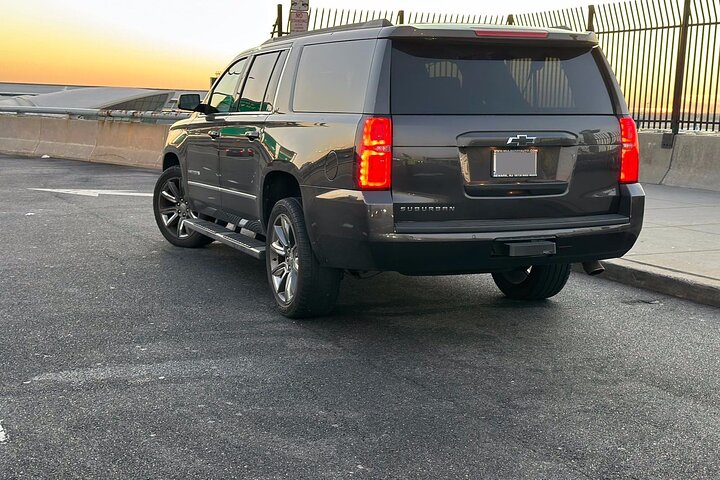
Private Arrival Transfer from Long Beach (LGB) to John Wayne (SNA) — Door-to-Door Comfort
Long Beach, USA
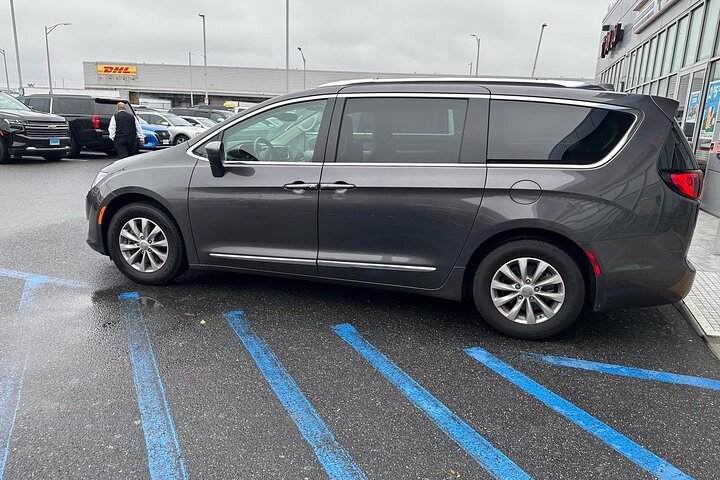
LGB to Anaheim Resort Private Round-Trip Transfer — Door-to-Door Airport Car
Listed starting prices and ratings are saved information, not confirmation of availability. Final prices, dates, and terms are confirmed on Viator. We may earn a commission from qualifying bookings through sponsored links.
KEEP YOUR CURIOSITY GOING
One story leads to another.

Long Beach · United States
Naples From Above: A Private Helicopter over Long Beach, Catalina & the Queen Mary
Hover above Naples’ canals and the Queen Mary on a private helicopter tour that reframes Long Beach. This compact flight delivers sweeping coastal geology, maritime history and practical tips for making the most of the view.
Read the story ↗
Long Beach · United States
Beneath the Surface: A Day at the Aquarium of the Pacific
Step into Long Beach’s marine classroom where kelp forests sway, touch tanks dare you, and feeding demos make the ocean feel immediate. This guide pairs sensory storytelling with practical tips for a smooth, meaningful visit to the Aquarium of the Pacific.
Read the story ↗
Long Beach · United States
Harbor Giants and Island Getaways: Exploring Long Beach Cruise Terminal
From towering container ships to sunlit crossings to Catalina, Long Beach Cruise Terminal is where maritime grit meets scenic escape. Here’s how to plan a day that mixes harbor cruises, island transfers and local discoveries without the fuss.
Read the story ↗