A VAYCAI STORY · THE ADVENTURE COLLECTIVE
Lagoon & Dune: Exploring Hugh Taylor Birch State Park’s Wild Quiet
A compact coastal escape where dunes, lagoon and city meet — ideal for paddles, pedals and birding.

Morning in Hugh Taylor Birch State Park arrives like a quiet negotiation between ocean and city. Before the traffic on A1A thickens, the park is hygroscopic — it draws the damp breath of the Intracoastal and the Atlantic together into a cool, green hush. Palmettos shiver as the first cyclists roll past, and the freshwater lagoon mirrors bands of sky and the ragged outline of mangroves, daring you to trade sand for a paddle.
This pocket of wild in Fort Lauderdale is compact — roughly 180 acres — but it reads like a coastal primer. You’ll move through dunes that keep the Atlantic’s edge at bay, weave under a live-oak hammock hung with lichen, and skirt a freshwater lagoon carved into the park’s spine. The terrain is forgiving: flat, often shady, and threaded with a paved multi-use path that invites joggers, families with wagons, and photographers chasing light through the mangroves.
Hugh Taylor Birch gifted this land to Florida in the 1940s, intending it as a public respite from development. The park still plays that role, a green hinge between Fort Lauderdale Beach and the Intracoastal waterway. Its story is coastal Florida’s story: preserved dunes, repurposed hammock, and a human hand that chose conservation over construction.
Geologically the park sits on the Atlantic Coastal Ridge, where ancient sands formed low dunes and pockets of freshwater settled behind them, creating the lagoon habitat. That shallow water supports a tangle of mangrove roots and a menagerie of wading birds. Tides from the Intracoastal still whisper through the water, reminding you of the ocean’s reach even when you’re several inland.
Culturally, the park is as civic as it gets for Fort Lauderdale. It’s a place for morning tai chi, afternoon picnics, and occasional ranger-led nature walks. The city’s beachside restaurants and coffee shops are a five-minute bike ride away, which makes combining an urban morning with a wild afternoon painless. Locals come to escape the boulevard and find a shelter that’s both social and solitary — a place that suits families, birders, and anyone who values shade.
So what do you actually do here? Tie a few activities together and you get a very satisfying day:
- Hike and bike: The paved, multi-use trail runs roughly 2.5–3 miles if you loop the main path and side boardwalks. Expect sand-blown walkways, exposed tree roots on unpaved paths, and short wooden boardwalks that thread through the mangroves. The trails are flat; elevation gain is effectively nil, but some sections are sandy and uneven. Most hikers finish the full exploration in 1.5–2.5 hours at an easy to moderate pace.
- Paddle the lagoon: The park has a launch for kayaks and canoes into the freshwater lagoon. Organize a half-hour paddle to check for wading birds, turtles and the occasional manatee cruising the edges of the inlet. The water is calm and forgiving, but bring a dry bag and reef-safe sunscreen.
- Beach access: Cross A1A and you’re on Fort Lauderdale Beach. It’s the easiest saltwater-swim option near a state park you’ll find — and a nice way to cap a trail or paddle session.
- Wildlife watching: Migratory birds use the hammock and lagoon as stopover habitat. Early morning and late afternoon are the best windows for great blue herons, ibis, and snowy egrets.
Practical guidance that matters: the park is designed to be approachable, but the Florida sun and humidity remain non-negotiable. Hydrate before you leave and bring a full water bottle; shade dissipates in the dune openings. Peak season is winter — the dry season — when birding is prime and temperatures are pleasant. Summer brings heat and afternoon storms; plan for shorter morning excursions and a light rain shell.
Footwear should be adaptable: trail runners or sturdy walking sandals perform well on paved loops and sandy side trails. Carry insect repellent in spring and summer; mangroves are perfect mosquito habitat. There’s a modest vehicle entry fee (standard Florida State Parks per-vehicle fee applies) and the park opens at sunrise and closes at sunset, so time your arrival for the cooler morning hours.
For photographers, the lagoon’s mirrored water in soft morning light and the dune silhouettes at golden hour are irresistible. Use a polarizing filter to tame glare off the water and a telephoto lens to isolate wading birds without disturbing them.
The park’s conservation value is real: it preserves a coastal corridor that buffers the city from storms and maintains habitat for migratory birds. Practically, that means you’ll find signage about staying off primary dune vegetation and not feeding wildlife — small behaviors with big ecological consequences.
If you want to stitch this visit into a longer Fort Lauderdale weekend, factor in a bike ride along A1A, a seafood lunch at a nearby café, and a sunset paddle on the Intracoastal. Hugh Taylor Birch State Park is not a remote backcountry slog; it’s a refined slice of Florida’s coastal ecology that rewards attention and minimal effort with surprisingly rich encounters.
Ultimately, this is a park that rewards slow movement and curiosity: watch a heron fish a stately circuit, run your hand along weathered mangrove roots, and notice how urban roar softens into bird calls. It’s a place to recalibrate — not to conquer — and to leave knowing the city looks better for having this little wild place stitched into its shoreline.
A few things worth knowing.
Start early for wildlife and cooler temps
Bird activity and comfortable temperatures peak in the morning; aim to arrive at or just after sunrise.
Bring reef-safe sunscreen
You’ll likely spend time near the beach and on open boardwalks; use reef-safe sunscreen to protect both skin and marine life.
Hydration and shade breaks
Carry at least 1–2 liters of water per person — shade is plentiful but intermittent on exposed dune sections.
Respect dunes and wildlife
Stay on designated paths, avoid trampling dune vegetation, and never feed or approach wildlife.
The local thread.
Hugh Taylor Birch donated this coastal tract in the 1940s to ensure public access and to protect the shoreline from development.
A closer look
- The western boardwalk into the mangroves — quieter and rich with wading birds.
- A shady banyan picnic area just off the main loop, perfect for a late-morning sandwich.
Wildlife you might see
- great blue heron
- manatee
The park protects dune and mangrove habitats critical for storm buffering and migratory birds; visitors are asked to stay on trails and avoid disturbing vegetation.
A different story in every season.
spring
Spring brings migrating birds and flushing wildflowers, but humidity and bugs increase — bring repellent.
Good for
- migratory birding
- wildflower spotting
- comfortable hikes
Plan around
- increasing humidity
- early mosquito activity
summer
Summer offers long days for early starts, but frequent afternoon storms and strong heat require planning.
Good for
- early-morning paddles
- quiet trails
- long daylight hours
Plan around
- afternoon thunderstorms
- high heat and humidity
fall
Fall has warming seas and thinning crowds; keep an eye on tropical weather during peak hurricane months.
Good for
- pleasant temperatures
- fewer crowds
- shorebird watching
Plan around
- hurricane season tail risks
- sporadic heavy rain
winter
Winter is the driest, most comfortable time to visit, with excellent birding and outdoor weather but more visitors.
Good for
- dry-weather birding
- comfortable outdoor activities
- family outings
Plan around
- peak visitor season
- higher parking demand
Pack a little wisdom.
- Reusable water bottle or hydration packEssential
Keeps you hydrated in heat and humidity; refill stations are limited.
- Sturdy trail shoes or sandalsEssential
Handles paved paths, sandy side trails and occasional muddy boardwalks.
- Lightweight rain shell
Useful for sudden thunderstorms during summer and fall.
- Polarizing filter or sunglasses
Reduces glare on the lagoon and improves visibility for birding and photography.
Through your own lens.
Aim for early morning or golden hour for soft light on the lagoon and dunes; use a polarizer to cut glare and a 200–400mm lens to photograph wading birds from a distance without disturbance.
Before you head out.
What to pack
Reusable water bottle (hydration), reef-safe sunscreen (protect skin and environment), insect repellent (mosquitoes in spring/summer), lightweight rain shell (sudden storms).
Did you know?
Hugh Taylor Birch donated the park’s land to the state in the 1940s to preserve a natural shorefront for public use; the park today protects roughly 180 acres of coastal habitat.
Quick travel tips
Arrive at sunrise for cooler temps; wear reef-safe sunscreen; carry cash or card for the park entry fee; pair your visit with a beach stop across A1A.
Local flavor
After your park loop, grab a Cuban coffee or fresh-caught fish tacos at one of Fort Lauderdale’s beachside cafés — the city’s casual coastal dining pairs well with a day in the park.
Getting oriented
Hours: sunrise–sunset; fee: standard Florida State Park vehicle fee (~$6); facilities: restrooms, picnic areas, kayak launch; best time: early morning or late afternoon.
Travel with care
Stick to marked trails, avoid trampling dune vegetation, and use reef-safe sunscreen to minimize impacts on marine and mangrove ecosystems.
The questions before the journey.
Is there an entrance fee?
Yes; Florida State Parks charge a vehicle entrance fee (typically around $6 per vehicle), payable at the gate.
Are dogs allowed?
Leashed dogs are allowed on the park’s multi-use trails but not in buildings or on protected dune areas; always check current park rules.
Can I rent kayaks on site?
There are kayak launches at the lagoon; rentals may be available through nearby vendors but bring your own if you can to ensure availability.
Are there restrooms and picnic facilities?
Yes — the park has restrooms, picnic tables and shaded pavilions near the main entrance and trailheads.
Is swimming allowed in the lagoon?
Swimming in the freshwater lagoon is discouraged; for ocean swimming, use Fort Lauderdale Beach across A1A, which may not have lifeguards at all times.
Is the park wheelchair accessible?
Some sections — including portions of the main paved path and boardwalk — are accessible, but sandy side trails may not be.
Original editorial content from The Adventure Collective; some writing uses automated assistance. Conditions and operator details can change. Confirm practical information before your visit. Suggest a correction.
FROM THE PAGE TO THE PLACE
Make a little room for adventure.
Keep exploring the place and its experiences.
Looking for more options? Explore Hugh Taylor Birch State Park on Viator ↗
More ways to explore Fort Lauderdale
Other experiences in the destination; check the itinerary for the places visited.

Fort Lauderdale, United States
Double-Deck Pontoon Party Cruise in Fort Lauderdale: Sandbar & Intracoastal Tour

Fort Lauderdale, United States
Bonnet House Mangrove Paddle: Guided SUP & Kayak Tour in Fort Lauderdale

Fort Lauderdale, USA
Fort Lauderdale Hookah Party Bus: Las Olas, Wynwood & Hard Rock Night Tour
Fort Lauderdale, USA
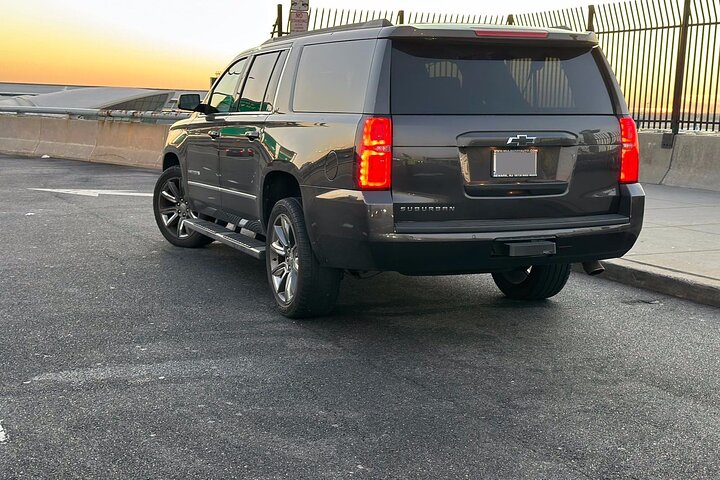
Fort Lauderdale (FLL) to Miami Private Arrival Transfer — 35-Min Door-to-Door Ride
Listed starting prices and ratings are saved information, not confirmation of availability. Final prices, dates, and terms are confirmed on Viator. We may earn a commission from qualifying bookings through sponsored links.
KEEP YOUR CURIOSITY GOING
One story leads to another.

Fort Lauderdale · USA
River of Grass and Steel: Airboat Adventures at Everglades Holiday Park
Feel the engine surge, watch sawgrass ripple into horizons of gold, and meet alligators in their element—Everglades Holiday Park compresses Florida’s subtropical complexity into an accessible, educational thrill ride. Here’s how to plan, what to expect, and how to make the most of the experience.
Read the story ↗
Fort Lauderdale · United States
Salt, Speed and Seabobs: A Practical Love Letter to Fort Lauderdale Beachfront
Fort Lauderdale Beachfront is a shoreline built for motion: speed-boat thrills, seabob reef dives and long Intracoastal cruises. This guide pairs the sensory pulse of the beach with practical tips for booking, timing and packing so you can spend more time on the water and less time planning.
Read the story ↗
Fort Lauderdale · USA
Las Olas Beach: Salt, Surf and the Sound of Fort Lauderdale
Las Olas Beach is Fort Lauderdale’s lively Atlantic edge—where surfers, sportfishing charters and electric-bike tours intersect. Whether you want to chase sailfish offshore or glide the boulevard on two electric wheels, this stretch of sand offers both easy access and serious sea work.
Read the story ↗