A VAYCAI STORY · THE ADVENTURE COLLECTIVE
Night Runs and High Trails: Exploring Keystone Resort’s Four-Season Playground
Ski by day, ski by night—how to make the most of Keystone’s high-altitude playground

When the gondola hums to life before dawn and the first skiers push through a sheen of fresh powder, Keystone feels like a small mountain town ordained for motion. The air is thin and bright at 9,280 feet, and the resort—sprawled across forested ridges and broad alpine bowls—opens like a map you can walk or ride through. Keystone’s slopes are a study in contrasts: long, cruising blues that unfurl through aspens; steep, wind-scoured chutes for those chasing edge; and a relieved, nighttime face that comes alive under floodlights. The resort is both a weekend ritual for nearby Denver and a purposeful destination for anyone who wants to compress a lot of mountain into a short trip.
Keystone’s geography is straightforward and generous. The base sits near Snake River, rising to Dercum Mountain and the higher ridgelines that push above 12,400 feet. The vertical—roughly 3,100 feet—gives skiers and riders long descents and varied terrain: gladed trees on the lower angles, open alpine bowls at higher elevations, and a series of groomers that funnel into Keystone’s village. It’s an excellent place to learn the arc of altitude skiing—how the snow changes through the day and how a mountain settles into different characters as light and wind come and go.
Historically, Keystone grew in the vein of Colorado’s postwar ski expansion, evolving from a local hill into a multi-slope resort with a village made for families. The landscape itself is older than any lift: uplifted Precambrian rock and layered sedimentary formations form the spine of the Gore Range nearby, and the river valleys have carved approach corridors that today host state routes and scenic drives. The human footprint respects that rhythm—liftlines cut through timber, and trails wrap around natural clearings, leaving plenty of intact habitat in quieter quarters.
Culturally, Keystone wears a practical mountain ethos. Families mix with committed skiers who know the best back bowls by name. The resort’s calendar leans into approachable programming—night skiing, family events, and freestyle parks—so the vibe is less about exclusivity and more about access. River Run Village and the nearby Lakeside Plaza are where apres, rentals, and last-minute weather checks happen: cafés pour strong coffee, ski shops buzz with tuning, and restaurants trade hearty, mountain-sustaining menus—think thick stews, braised greens, and Colorado-sourced game.
Why go to Keystone beyond the taut allure of good snow? Because the resort is deliberately versatile. Night skiing throughout a dozen or more lit runs is a rare treat in Colorado and flips the day’s dynamics: the mountain tightens into focused laps, temperatures drop and the snow firms, and the lights give the slopes a cinematic quality that redraws terrain perception. In summer, the same lifts turn into conveyors for hikers and riders, offering lift-accessed alpine trails and long ridge rides. For families and mixed-ability groups, Keystone’s network of beginner runs and terrain parks is a practical advantage; for single-track seekers, summer mountain bike trails and the broader Summit County network provide enough variety to fill multiple days.
Practical guidance grows out of Keystone’s high-altitude reality. Hydration matters—more water, more salt, and slower pace on the first day. The mountain’s vertical and elevation change mean snow conditions diverge by aspect; mornings often deliver the best corduroy on groomed runs, while midday sun softens south-facing slopes. If you’re chasing powder or the tight afternoon corn that follows, time your runs around sunlight and wind. Night skiing is worth it: it’s quieter, fast, and strangely precise—bring a layer and goggles suited for bright artificial light.
Logistics are direct: Keystone is roughly a 75–90 minute drive from Denver International Airport, depending on traffic and weather. Parking exists at village lots and satellite lots with shuttles—arrive early for prime access, or use lodging within the village to minimize transit. Rentals and lessons are plentiful; for new skiers or kids, a morning lesson followed by a controlled afternoon run makes for efficient learning.
For those building an itinerary: split your days by focus. One morning for lift-access exploration—ride to the summit, pick a long blue that winds through aspens, and take in the valley below. Afternoon can be skill work in the park or cruising in the Outback’s gladed terrain. Reserve an evening for night skiing or a guided snowshoe to see the stillness of the mountain under stars. In summer, plan a lift-assisted mountain-biking morning and a lakeside hike in the afternoon—Keystone’s changeability is its strength.
Keystone is not a wilderness escape; it’s a mountain resort that offers real access to alpine character with practical amenities. That’s its appeal. You get the big mountain feeling—exposed ridgelines, long verticals, and alpine bowls—without sacrificing gear shops, refined food, or the social architecture that makes mountain travel approachable for families and small teams of friends.
Keystone is best experienced with a little preparation and an appetite for variety. Expect to move deliberately at altitude, layer for rapidly changing weather, and leave space in your schedule for both lifted highs and quiet, wooded descents. If you honor the mountain’s cadence, it will repay you with long turns, honest views, and that satisfying ache at the end of a day well-spent above tree line.
A few things worth knowing.
Acclimate before you exert
Spend your first morning at a relaxed pace—short runs and frequent water breaks—to adjust to the 9,000+ foot base elevation.
Time your snow
Best snow conditions are typically early morning groomers and late-afternoon firm runs; plan powder laps for first lifts when possible.
Try night skiing
Bring a warmer mid-layer and clear-lens or low-light goggles for a sharp, fast night-skiing experience on Keystone’s lit runs.
Reserve lessons in advance
Book lessons or kids’ programs ahead of peak weekends to secure times and appropriate instructor-to-student ratios.
The local thread.
Keystone developed as part of Colorado’s ski-industry expansion in the late 20th century and has evolved into a four-season resort with family-focused programming.
A closer look
- Early-morning groomers on Dercum Mountain for long, smooth runs
- The quieter Outback gladed lines for tree skiing away from main corridors
Wildlife you might see
- Mule deer
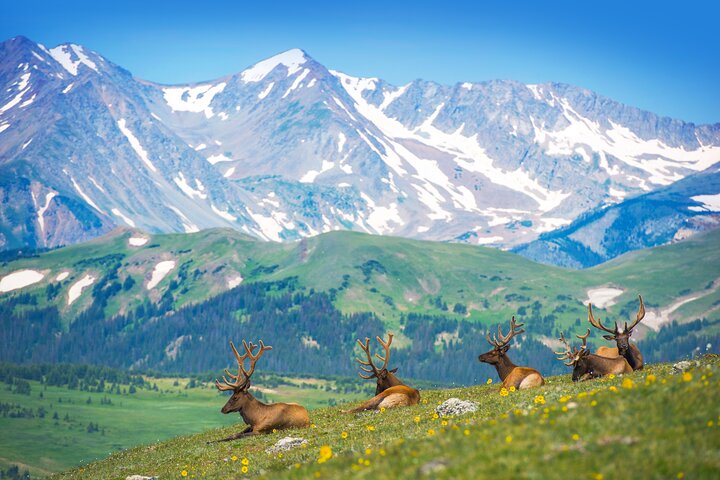
- Red fox and occasional elk at lower elevations
Keystone participates in regional sustainability programs focused on habitat conservation and energy reduction; visitors are encouraged to stay on marked trails and minimize disturbance to wildlife.
A different story in every season.
spring
Spring delivers soft, playful spring skiing—look for sunny mornings and firm refreeze evenings; bring sun protection and waterproof layers.
Good for
- Corn runs
- Family-friendly spring events
- Lower lift lines
Plan around
- Variable freeze-thaw cycles
- Wet spring storms
summer
Summer opens up lift-access trails and biking; expect cool mornings, rapid afternoon storms, and vivid alpine blooms.
Good for
- Lift-access hiking
- Mountain biking
- Wildflower meadows
Plan around
- Afternoon thunderstorms
- Shorter hiking windows at high elevations
fall
Fall is crisp and quiet—ideal for high-elevation hikes and photographers chasing golden aspens before winter sets in.
Good for
- Hiking without crowds
- Leaf color in aspen groves
- Trail running
Plan around
- Early snow at higher elevations
- Limited lift service late in season
winter
Winter is Keystone’s core season: abundant runs, night skiing, and varied terrain—dress in layers and check avalanche advisories if venturing off-piste.
Good for
- Powder skiing
- Night skiing
- Family ski weeks
Plan around
- High avalanche risk off-piste
- Cold temperatures and wind exposure
Pack a little wisdom.
- Insulated, waterproof shell jacketEssential
Protects from wind and wet snow while allowing layering for temperature control.
- Ski/snowboard goggles with interchangeable lensesEssential
Swap lenses for flat light, bright sun, or night skiing conditions for clearer vision and safety.
- Hydration pack with 1–2L bladderEssential
Hydration at altitude is critical—packs keep water, sunscreen, and quick snacks accessible.
- Microspikes or crampons (compact)
Useful for icy approaches to trailheads or short winter hikes when conditions refreeze.
Through your own lens.
Aim for the golden hours—late morning can be harsh at altitude; use a polarizing filter to deepen blue skies and cut glare on snow. For night skiing, raise ISO conservatively, use fast lenses (f/2.8 or wider) and stabilized bodies; include people with headlamps for scale.
Before you head out.
What to pack
Water bottle or hydration bladder for altitude; layered insulating clothing for changing temps; sunscreen and lip balm for high-UV exposure; basic first-aid and blister kit for long days.
Did you know?
Keystone Resort is known for maintaining one of Colorado’s larger night-skiing operations, offering lit runs that extend mountain time well after sunset.
Quick travel tips
1) Rent gear in advance during peak season; 2) Check weather and avalanche bulletins before heading off-piste; 3) Park early or use village lodging to avoid shuttle waits; 4) Bring cash/card for tolls and mountain retail purchases.
Local flavor
Keystone’s village culture mixes casual mountain dining, local breweries, and family-friendly events; try elk or bison dishes at a sit-down restaurant and pair with a Summit County brew.
Getting oriented
Base elevation ~9,280 ft; summit ~12,408 ft; ~3,100 ft vertical; lift tickets available online; parking at River Run Village; early arrival recommended in winter.
Travel with care
Keystone aligns with regional conservation efforts—stay on designated runs, use shuttle services when possible, and support local businesses to minimize environmental impact.
The questions before the journey.
Does Keystone offer night skiing every night?
Night skiing is a regular feature but varies by season and conditions; check the resort’s current lift schedule for exact nights and hours.
How far is Keystone from Denver International Airport?
Expect roughly a 75–90 minute drive depending on road and weather conditions—allow extra time in winter storms.
Are there beginner areas and lessons available?
Yes—Keystone provides multiple beginner runs and a full slate of lessons and kids’ programs; book lessons in advance during peak holiday periods.
Is Keystone family-friendly?
Very—there are dedicated beginner zones, ski schools, childcare options, and family-oriented events in the village.
Can I access backcountry from Keystone?
There is backcountry terrain off resort boundaries; if you plan to go off-piste, carry avalanche gear, check local advisories, and consider hiring a guide.
What lodging choices are best for skiers?
Staying in River Run Village or Lakeside Plaza puts you closest to lifts and amenities; several hotels offer ski-in/ski-out access for convenience.
Original editorial content from The Adventure Collective; some writing uses automated assistance. Conditions and operator details can change. Confirm practical information before your visit. Suggest a correction.
FROM THE PAGE TO THE PLACE
Make a little room for adventure.
Keep exploring the place and its experiences.
Looking for more options? Explore Keystone Resort on Viator ↗
More ways to explore Colorado
Other experiences in the destination; check the itinerary for the places visited.

Estes Park, United States
Over the Top: Full-Day Trail Ridge Road Tour in Rocky Mountain National Park


Estes Park, United States
Trail Ridge & Bear Lake Photography Tour — Rocky Mountain National Park (Private 3/4 Day)
Listed starting prices and ratings are saved information, not confirmation of availability. Final prices, dates, and terms are confirmed on Viator. We may earn a commission from qualifying bookings through sponsored links.
KEEP YOUR CURIOSITY GOING
One story leads to another.

Manitou Springs · United States
Beneath the Wind: Exploring Cave of the Winds Mountain Park
Descend into limestone chambers carved over millennia, then climb back into wild mountain air. Cave of the Winds Mountain Park combines history, geology, and hands-on adventure a short drive from Colorado Springs.
Read the story ↗
Cortez · United States
Cliffside Time Capsules: Exploring Mesa Verde’s Sunlit Ruins and Quiet Plateaus
Perched on a high Colorado mesa, Mesa Verde’s cliff dwellings are both an architectural marvel and a living archive. This guide pairs history and geology with practical advice for seeing Cliff Palace, Balcony House, and the park’s quieter corners.
Read the story ↗
Montrose · United States
Vertigo & Quiet: A Practical Ode to Black Canyon of the Gunnison
Black Canyon of the Gunnison trades wide panoramas for intense, vertical drama. This guide pairs sensory description with practical planning—how to experience the best overlooks, attempt a river trip, and respect a canyon that rewards attention.
Read the story ↗