A VAYCAI STORY · THE ADVENTURE COLLECTIVE
Sanibel Island: Chasing Shells, Dolphins and Gulf Light
A practical, salt-stung guide to the island’s best shelling, wildlife tours and sunset sails

You arrive before sunrise, before the other early risers, and the island is all sound and small movement: gulls inspecting yesterday’s wash, the surf sorting a new handful of treasures, the lighthouse—an honest silhouette—watching the far horizon. The beach is a stadium of tiny clamshells and broken spirals, each one a fossilized ledger of the Gulf’s restless work. On Sanibel, the shoreline is not just scenery; it’s an active archive. A slow, barefoot walk with a mesh bag is enough to feel like a discoverer.
Sanibel Island is a barrier island off Florida’s Gulf Coast where shelling has an anthropological reputation: collectors travel from across the country for the simple pleasure of turning over the tide’s gifts. But the island is more than a beach for trophies. It’s a stitched landscape of calm neighborhoods, long bike paths, proud conservation areas and a watery fringe that invites boat-based exploration. From the protection of J.N. “Ding” Darling National Wildlife Refuge to the open blue where dolphins arc and manatees surface like lazy submarines, Sanibel trades immediacy for nuance. You move slowly here and the island responds in kind.
Geology and geography do the heavy lifting. Sanibel’s unusual east–west orientation captures shells and debris that a north–south coastline would send past. Gulf currents, combined with the shallow shelf and frequent storms, nudge colorful conch, whelks and the island’s famous Junonia toward its beaches. That same shallow warmth supports seagrass beds and mangrove-lined estuaries that are core habitat for fish, turtle and bird species, and they are the same waters that make morning charters and dolphin trips so reliable.
History and culture overlap with conservation. Sanibel’s development history is cautious compared with tourist hubs—it has long favored small businesses and protected lands over high-rise tourism. The Bailey-Matthews Shell Museum catalogs the island’s identity with scientific rigor and a little local pride, and nearby conservation organizations keep a watchful eye on the fragile dunes and seagrass that sustain marine life. The island’s low profile is a kind of magnet: people come to unplug, slow down and look closely.
Where the adventure begins is often at the water’s edge. A half-day eco-boat tour is a practical way to compress the area’s best hits into a morning: dolphins riding bow wakes, manatees cruising shallow flats and a skipper skilled in reading water for both wildlife and shells. For those who want the close-up without the line of a shared tour, private dolphin and sightseeing charters put you on a modern center-console with local narration—boat captains here are part naturalist, part historian, pointing out the area’s shifting sandbars and the stories behind the islands you’ll pass.
If your definition of magic requires an orange sky, book the sunset catamaran: the breeze drops, the horizon fractures into color and the island’s silhouette sharpens. On calmer days a sailing catamaran or power catamaran gives you a wide deck to breathe in the salt air—perfect for photographers and anyone who appreciates the calming rhythm of a moving horizon.
Anglers will find Sanibel as productive as it is picturesque. Inshore charters navigate the backwaters, creeks, and nearshore structure to target snook, redfish, tarpon and snapper. Local captains read tides and structure like a second language, turning “bad weather” days into productive outings by finding sheltered cuts and passes.
Practical edge: Sanibel is about 12 miles of shoreline and more than 20 miles of bike paths—bring a bike or rent one on the island; it’s the best way to move past neighborhoods and across causeway-accessible spots. Shelling yields are highest at low tide and in the hours after storms—those rough weather windows that kick up the seabed and deliver fresh specimens. When you’re on the sand, remember to leave live shells and anything with an inhabitant where it is; the island’s fragile ecosystems depend on those small lives.
Timing matters. Early morning and late afternoon have the best light and cooler temperatures; mid-morning tides often reveal the richest wrack lines. If you’re booking a boat, half-day mornings are prime for dolphin activity and calmer seas; sunset sails are their own reward but bring a light jacket—the wind crosses the Gulf.
Planning specifics: many charter operators sanitize snorkel gear and handle all licensing for fishing excursions; confirm with your provider about licenses if you plan to fish independently from shore. Parking can fill up in peak season, and island regulations favor quiet, eco-friendly tourism—think reef-safe sunscreen, no live-shell collecting and staying on designated boardwalks to protect dune vegetation.
Sanibel offers a measured kind of fun: shell hunts that feel like archaeology, boat trips that are more natural history than adrenaline, and sunsets that leave you content rather than depleted. It’s an island that asks you to slow down and rewards you with small, precise intimacies: a dolphin’s eye-level glance, a spoonbill’s slow-footed hunt, the satisfying heft of a perfect shell cupped in your hand.
When you leave, you carry less sand than you think—what stays is the memory of a place where water arranges and rearranges its offerings daily, and where the best souvenirs are the stories you tell about time spent watching tides work their patient craft.
A few things worth knowing.
Time your shelling with the tide
Low tide and the hours after storms produce the best shell deposits—check local tide charts and aim for a morning low tide.
Bring reef-safe sunscreen
Sanibel’s waters are home to seagrass and coral communities—use reef-safe sunscreen to reduce chemical runoff.
Rent a bike
With more than 20 miles of paved bike paths, cycling is the most efficient way to explore the island’s beaches and neighborhoods.
Book boat tours in advance
Popular eco and sunset cruises often sell out in peak season—reserve a morning dolphin tour or sunset sail ahead of time.
The local thread.
Sanibel’s culture grew around careful stewardship of its shoreline and marine resources; local institutions like the Bailey-Matthews Shell Museum reflect a long relationship with shell collecting and conservation.
A closer look
- Tarpon Bay: quieter paddle routes and mangrove-lined channels for wildlife viewing
- Lighthouse Beach Park at the east end: combine shelling with a historic lighthouse visit
Wildlife you might see
- Atlantic bottlenose dolphins
- West Indian manatees
The island prioritizes dune preservation, seagrass protection and rules against collecting live shells; support local nonprofits and use reef-safe products to limit impact.
A different story in every season.
spring
Spring brings mild temperatures, consistent morning tides for shelling and lively bird migrations—expect more crowds and book charters early.
Good for
- shelling
- birdwatching
- calmer seas for boat tours
Plan around
- peak visitor season
- higher prices
summer
Summer offers warm water for snorkeling and productive fishing, but plan early starts to avoid heat and afternoon storms.
Good for
- snorkeling
- warm-water fishing
- long daylight hours
Plan around
- heat and humidity
- afternoon thunderstorms
fall
Fall can be quieter with productive inshore fishing; keep an eye on storm forecasts during hurricane season.
Good for
- quiet beaches
- good fishing
- lower rates
Plan around
- hurricane season potential
- warmer water currents
winter
Winter delivers pleasant temps and steady wildlife viewing—it’s high season for visitors seeking Gulf sun without extreme heat.
Good for
- mild weather
- peak shelling after cold fronts
- birdwatching
Plan around
- higher demand from seasonal visitors
- cooler mornings
Pack a little wisdom.
- Mesh shell bagEssential
Allows sand and water to escape while collecting shells and keeps your hands free.
- Reef-safe sunscreenEssential
Protects skin while minimizing harm to seagrass and marine life.
- Water shoesEssential
Protects feet on rocky shell beds, mangrove edges and boat decks.
- Polarized sunglasses and wide-brim hat
Cuts glare for spotting shells and wildlife and provides sun protection on the water.
Through your own lens.
Shoot low for shell close-ups with a macro or 50mm lens; use a polarizing filter to reduce water glare and saturate skies for sunset sails; for dolphins and birds, a 200–400mm telephoto with fast shutter speed freezes action—shoot in bursts and keep ISO manageable for dusk.
Before you head out.
What to pack
Reusable water bottle for hydration, reef-safe sunscreen to protect reefs and skin, water shoes for shell-strewn beaches and boat decks, mesh bag for shelling and carrying wet finds
Did you know?
Sanibel’s east–west orientation causes Gulf currents to deposit shells along its beaches, making it one of the most famous shelling destinations in the United States (Bailey-Matthews Shell Museum documents this phenomenon).
Quick travel tips
1) Check tide charts before shelling trips; 2) Reserve popular boat charters and sunset sails in advance; 3) Rent a bike to cover more ground; 4) Use reef-safe sunscreen and leave live shells in the water.
Local flavor
Island life leans local: seafood shacks offering grouper and conch fritters, family-run boat captains who’ll share island lore, and the Bailey-Matthews Shell Museum where shelling is treated as both hobby and science.
Getting oriented
Getting there: drive from Fort Myers over the causeway; mobility: bikes and shuttles are common; money: small cafes and rentals accept cards; health: bring sun protection and refillable water.
Travel with care
Support local conservation by using reef-safe sunscreen, avoiding live shell collection, staying on boardwalks to protect dunes, and choosing operators that practice responsible wildlife viewing.
The questions before the journey.
Do I need a fishing license to fish around Sanibel?
If you plan to fish from shore, you generally need a Florida saltwater fishing license; charter captains normally carry necessary permits for on-board fishing—confirm with your operator.
When is the best time to find shells?
Low tide and mornings after storms typically yield the most and the most interesting shells; check local tide charts and plan early starts.
Are there guided wildlife tours?
Yes—private eco-boat tours, dolphin sightseeing trips and guided kayak tours are common; many operators include naturalist commentary and snorkeling gear.
Can I collect live shells or protected species?
Do not collect live shells or animals; take only empty shells and follow local conservation rules to protect marine life and nesting habitats.
Is parking and access easy on the island?
Sanibel is connected to the mainland by a causeway—there’s public parking but it fills quickly in peak season; consider biking or shuttle options to avoid the hassle.
Are beaches lifeguarded?
Some Sanibel beaches have lifeguard coverage at peak times, but many stretches are unguarded—use caution with currents and check local signage.
Original editorial content from The Adventure Collective; some writing uses automated assistance. Conditions and operator details can change. Confirm practical information before your visit. Suggest a correction.
FROM THE PAGE TO THE PLACE
Make a little room for adventure.
Keep exploring the place and its experiences.
Looking for more options? Explore Sanibel Island on Viator ↗
More ways to explore Fort Myers
Other experiences in the destination; check the itinerary for the places visited.


Fort Myers, United States
Fort Myers Frenzy: Interactive City Scavenger Hunt in the River District

Fort Myers, United States
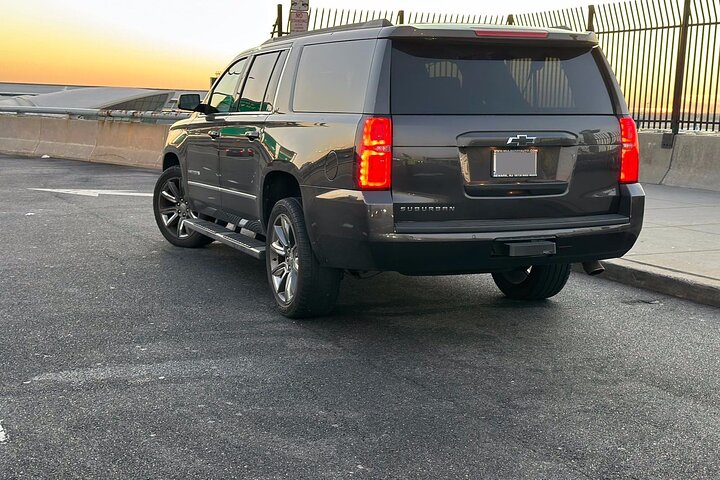
Private Round-Trip Transfer RSW to Fort Myers Downtown — Door-to-Door Comfort
Fort Myers, United States
RSW to Fort Myers Downtown Private Transfer — Door-to-Door Arrival Service
Listed starting prices and ratings are saved information, not confirmation of availability. Final prices, dates, and terms are confirmed on Viator. We may earn a commission from qualifying bookings through sponsored links.
KEEP YOUR CURIOSITY GOING
One story leads to another.

Fort Myers Beach · United States
Bowditch Point Park: Where Dolphins Meet Dunes
A compact, windswept point at the tip of Estero Island, Bowditch Point Park is where Gulf sunsets, mangrove backwaters and regular dolphin sightings meet — easy to reach, rewarding to explore, and perfectly paired with a sunset dolphin cruise.
Read the story ↗
Sanibel · United States
Tide, Mangrove and Raptor: A Day Inside J.N. Ding Darling National Wildlife Refuge
A living estuary of birds, mangroves and tidal channels, J.N. Ding Darling invites slow travel: watch the tides, listen for wings, and explore by boardwalk, kayak or charter to meet Sanibel’s most vital wildlife.
Read the story ↗
Fort Myers · United States
When Giants Gather: A Winter Day at Manatee Park
Spend a morning on the boardwalk at Manatee Park, where winter currents coax manatees into the shallow estuary. This guide blends quiet wildlife viewing with practical tips—and shows how to pair the experience with a Fort Myers scavenger hunt.
Read the story ↗