A VAYCAI STORY · THE ADVENTURE COLLECTIVE
Standing Between Stones and Fells: A Field Guide to Castlerigg Stone Circle
An accessible Neolithic circle perched amid the Lake District’s highest fells—small walk, big impressions.

On a soft-edged morning the mist skims the flanks of the fells like a slow-moving tide. You step out of the lane and the world opens: a ring of weathered stones sits on a broad grassy plateau, each slab poised against a panorama of rhyolite crags and green valleys. Wind carries the distant bleat of sheep and the tang of wet grass. Here at Castlerigg Stone Circle, the ancient and the living meet—an assembly that has been watching the Lake District’s mountains longer than any mapped route or cottage chimney. It’s an accessible place for quiet contemplation and a quietly powerful introduction to the human history stitched into these hills.
Castlerigg is not a ruin hidden away in a canyon; it is a public, breathing landmark: a Neolithic stone circle estimated to date to around 3000 BC, making it one of Britain’s earliest ceremonial sites. The arrangement—about 40 stones set in an oval roughly 30 metres across—reads less like architecture and more like a field of deliberate markers positioned to frame the surrounding fells. On clear days the encircling amphitheatre of Skiddaw, Helvellyn and Blencathra sits in perfect poster-frame proportion, as if the stones were set specifically to hold those mountains in view.
Geologically, Castlerigg sits on rocks laid down in the Ordovician and Silurian periods, uplifted, folded and scoured into the present topography by successive ice ages. The circle itself was raised at the very end of the Neolithic era, when communities were transitioning from nomadic lives toward settled farming—yet their choice of this exposed hilltop suggests ritual and sightlines mattered more than shelter. The stones are local, each a hand-sized to human-sized slab, rooted in the turf and pitted with lichen that adds centuries of slow pattern and colour.
Culture and landscape here are braided. The Lake District is a World Heritage site, celebrated for how human imprint—dry-stone walls, sheep pastures, villages—has shaped a living cultural landscape. Castlerigg is a focal point in that narrative: countless walkers, poets and photographers have made the short pilgrimage, and the site appears in Romantic-era writing and modern guidebooks alike. Yet despite its fame, Castlerigg keeps a restrained dignity; visitors generally gather and move through with a hushed reverence rather than the raucous energy you might find at larger tourist hotspots.
Getting here is straightforward. The nearest hub is Keswick, a compact market town with outdoor shops, cafes and pubs—an excellent base for exploring the north Lakes. From Keswick the stone circle is a short drive (around 10 minutes) east along minor lanes; there’s a small car park and a modest pull-in on the roadside where most visitors leave their cars. The walk from the parking area to the circle is usually under 10 minutes across grassy ground that can be uneven and muddy after rain, so sensible footwear is a must. Alternatively, several local small-group and private tours include Castlerigg as a scheduled stop—guided routes that pair the stones with nearby waterfalls, passes and lakes for a fuller day in the fells.
Why plan a visit? For one, it’s the immediacy of encountering something made by people six millennia ago, set in a landscape that hasn’t lost its power to impress. Photographers love the way sunrise and sunset light slants across the stones and mountains; hikers appreciate how a detour to Castlerigg can slot neatly into a half-day circuit around the northern fells. For families or anyone curious about prehistory, the circle is accessible without committing to long climbs or rugged scrambling.
Practicalities: the site is open year-round. There’s no visitor centre here, so bring water, snacks and a waterproof layer. Respect the site: don’t climb on the stones or move them, and follow local signage. If you’re on a tight schedule, look to book one of the region’s popular guided minivan tours (many that pass through the Lake District will offer a stop), or opt for a private 4x4 tour if you want off-road vantage points and a more bespoke itinerary that might include less-visited tarns and waterfalls.
Timing matters. Mornings often bring low light and mist that can make the circle feel dramatically isolated; late afternoon offers warmer light and longer shadows. In winter you’ll get crystal-clear air and a spare, almost otherworldly stillness, but the ground is often frozen or icy—pack microspikes if you’ll be walking on hardened turf. Summer fills the plateau with families and day-trippers, but an early arrival still finds space to breathe.
In the end, Castlerigg is a short, quiet pilgrimage that rewards a small investment of time with a disproportionate emotional return. It is a place to stand, to look, and to feel the slow, patient geometry of human intent set against mountain time. Whether you arrive as part of a full-day circuit of lakes and passes, on a private off-road tour that threads the lesser lanes, or as a deliberate stop between hikes, Castlerigg remains a distinctly Lake District moment—an assembly of stone and sky that asks only that you notice.
Recommended ways to combine the visit: pair Castlerigg with a drive over Kirkstone Pass and a short waterfall walk to Aira Force, or join a Ten Lakes or Ultimate Full-Day tour for a guided sweep of Borrowdale, Buttermere, Ullswater and Grasmere with commentary that situates the stones in regional history. For photographers, plan a sunrise slot and then move on to nearby high-ground for late-morning panoramas. For families, make Castlerigg the natural breakpoint between a lakeside picnic and a shorter nature trail.
Castlerigg is not remote in the way a mountain summit is, but it occupies a liminal space—between ancient ritual and rural everyday life, between managed heritage and wild fells. You leave with a sense of both continuity and scale: that people have been looking at these same mountains for thousands of years, and that the landscape still has the authority to shape our curiosity.
A few things worth knowing.
Wear grippy footwear
The short walk across the plateau can be muddy and uneven—sturdy boots with good tread keep footing secure.
Time it for light
Sunrise or sunset casts the stones in dramatic relief; aim for golden hour for the best photos and quieter crowds.
Combine with nearby sights
Pair Castlerigg with Kirkstone Pass, Aira Force waterfall, or a Ten Lakes tour to get broader context in a day trip.
Respect the stones
Do not climb or lean on the stones—Castlerigg is a Scheduled Ancient Monument and should be left intact.
The local thread.
Castlerigg is a Neolithic stone circle dating to around 3000 BC and stands among some of the oldest human-made ceremonial sites in Britain.
A closer look
- A short drive east to Little Chesters Tarn for quieter reflections of the fells
- The hamlet of Threlkeld and the old quarry trails for low-traffic walks and views
Wildlife you might see
- Red grouse
- Sheep (ubiquitous on Lake District fellside)
As a Scheduled Ancient Monument, Castlerigg requires visitors to follow leave-no-trace principles; local conservation groups work to protect turf and prevent erosion around the stones.
A different story in every season.
spring
Spring brings fresh greens and lambs in the fields; expect mud on the plateau after rain or thawed winter weather.
Good for
- wildflowers and lambing season
- milder walking conditions
Plan around
- muddy ground after thaw
- changeable weather
summer
Summer’s long days and warm light are ideal for photos, but arrive early to avoid crowds and bring sun protection.
Good for
- long daylight for extended touring
- warm weather photography
Plan around
- larger visitor numbers
- sunburn on exposed plateau
fall
Autumn often delivers clearer visibility and rich colours—great for dramatic shots of stone against the fells.
Good for
- crisp air and autumn colours
- clear vistas after summer haze
Plan around
- shortening daylight
- cooler temperatures
winter
Winter’s stark light and potential snow create powerful scenes; pack traction aids and layers for safety.
Good for
- dramatic minimalism and snow-capped fells
- quiet, reflective visits
Plan around
- icy or frozen ground
- short daylight and cold conditions
Pack a little wisdom.
- Waterproof hiking bootsEssential
Keeps feet dry and provides stability on muddy or uneven ground.
- Windproof/waterproof jacketEssential
Protects against sudden Lake District showers and gusty plateau conditions.
- Camera with tripod
A tripod helps capture sunrise/sunset light and low-light detail among the stones.
- Microspikes or traction devices
Useful if visiting in icy or snowy conditions for added footing security.
Through your own lens.
Bring a wide-angle lens to capture the circle and surrounding fells together; use a tripod for low-light sunrise/sunset shots; include a human figure for scale and shoot at eye level to emphasize the stones' relationship to the horizon.
Before you head out.
What to pack
Water bottle (stay hydrated on exposed plateau), windproof jacket (sudden weather changes), sturdy boots (uneven/muddy ground), camera/tripod (for sunrise/sunset compositions)
Did you know?
Castlerigg Stone Circle dates to around 3000 BC, making it one of the earliest stone circles in Britain—a fact recorded in archaeological surveys and public heritage records.
Quick travel tips
Arrive early for sunrise to avoid crowds; park in designated laybys to avoid blocking lanes; check local weather for visibility over the fells; combine with nearby Aira Force or a Kirkstone Pass drive.
Local flavor
Stay in Keswick to enjoy Cumberland cuisine, locally produced Kendal mint cake and a slice of Grasmere gingerbread; the town's pubs and outdoor shops make practical and social hubs for walkers.
Getting oriented
Nearest town: Keswick (10 min drive). Parking: small laybys/car park by the lane. Accessibility: short walk across grass; uneven terrain. Facilities: none on-site—plan accordingly.
Travel with care
Stick to existing paths, avoid climbing the stones, and pack out rubbish; supporting local guides and small businesses helps fund conservation across the Lake District.
The questions before the journey.
How far is the walk from the car park to the stones?
Most visitors walk under 10 minutes from the roadside parking; the path crosses grassy, sometimes uneven ground.
Is there an entrance fee for Castlerigg?
No—Castlerigg Stone Circle is open to the public year-round with no entrance fee.
Can I touch or climb the stones?
No—visitors should not climb or move the stones; Castlerigg is a protected archaeological site and must be respected.
What’s the best time to visit for photography?
Golden hour—either sunrise or sunset—produces the most striking light and usually fewer crowds.
Are guided tours available that include Castlerigg?
Yes—many half- and full-day Lake District tours stop at Castlerigg, and private 4x4 options can add off-road vantage points.
Is Castlerigg suitable for families with kids?
Yes—the site is accessible and offers a short, educational visit that families can combine with nearby walks or picnics.
Original editorial content from The Adventure Collective; some writing uses automated assistance. Conditions and operator details can change. Confirm practical information before your visit. Suggest a correction.
FROM THE PAGE TO THE PLACE
Make a little room for adventure.
Published trip guides linked to this story. Check each itinerary and current availability with Viator.

Windermere, United Kingdom
Winter Scenic 10-Lakes Tour: Lake District Photo Drive from Windermere

Ambleside, United Kingdom
8 Lakes in a Morning: A Windermere-Minivan Tour Through the Heart of the Lake District

Windermere, United Kingdom
6-Hour Private Lake District Tour from Windermere — Derwent Water, Grasmere & Lodore

Windermere, United Kingdom
Ten Lakes Spectacular: Private Lake District Tour from Windermere

Windermere, United Kingdom
Six Lakes Spectacular: Half-Day Lake District Tour from Windermere
Ambleside, United Kingdom
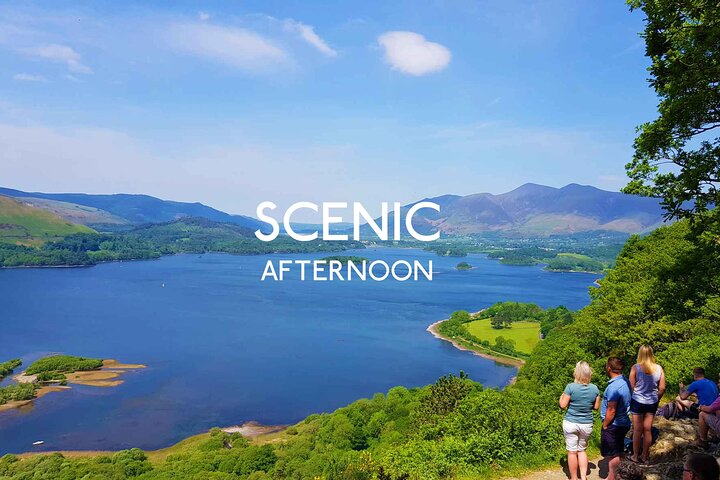
Lake District 8-Lakes Afternoon Tour: Windermere, Grasmere & Ullswater in Half Day

Windermere, United Kingdom
Ten Lakes Spectacular: Full-Day Lake District Coach Tour from Windermere

Kendal, United Kingdom
Ten Lakes Tour from Oxenholme — Full-Day Lake District Coach Tour to Buttermere, Ullswater & Castlerigg
Looking for more options? Explore Castlerigg Stone Circle on Viator ↗
More ways to explore Keswick
Other experiences in the destination; check the itinerary for the places visited.


Keswick, United Kingdom
Canoe River Trip in the Lake District — Rapids, Weirs & Wildlife around Keswick

Keswick, United Kingdom
Stand-Up Paddleboarding on Derwent Water: Keswick Lake Sessions

Keswick, United Kingdom
Paddle Boarding on Derwent Water: Guided Stand-Up Adventure from Keswick
Listed starting prices and ratings are saved information, not confirmation of availability. Final prices, dates, and terms are confirmed on Viator. We may earn a commission from qualifying bookings through sponsored links.
KEEP YOUR CURIOSITY GOING
One story leads to another.

Keswick · United Kingdom
Borrowdale Valley: Walking the Heart of the Lake District
A valley of volcanic rock, ancient stone circles and rivers that seem to dare you forward—Borrowdale balances easy riverside routes with fells that reward grit. This guide explains how to blend guided tours with independent hikes so you can make the most of the Lake District’s central wild space.
Read the story ↗
Keswick · United Kingdom
Derwentwater: Paddle, Peak, and Perfect Lake Days in the Heart of the Lake District
Derwentwater is the Lake District’s intimate grand stage: paddle between wooded islets at dawn, hike a lakeside circuit by noon, and join a Ten Lakes tour to stitch together the region’s best viewpoints. Practical, scenic, and quietly historic, it’s a perfect day trip or base for longer exploration.
Read the story ↗
Keswick · United Kingdom
Buttermere Valley: Walking the Quiet Heart of the Lake District
Hidden between honed fells, Buttermere Valley rewards walkers who trade pace for presence. Explore lakeshore loops, climb Wainwright’s Haystacks, or join a Ten Lakes tour for a wider sweep of the Central Lakes.
Read the story ↗