




GET TO KNOW THE PLACE
Why Visit Galle Lighthouse
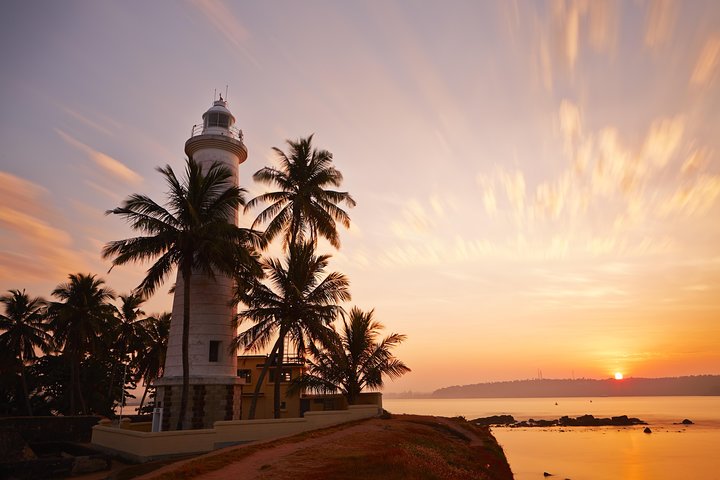
Salt wind and colonial stone—Galle Lighthouse sits where the fort’s walls meet the Indian Ocean. From the base of the lantern tower you can hear surf pushing against the reef while narrow streets behind you hold cafés, galleries, and centuries of maritime history. It’s compact, readable, and ideal for travelers who want coastal scenery paired with cultural layers.
Walk the ramparts at first light and you feel the place arrange itself: fishermen hauling nets along the harbor, a lone dog sunning on a stone parapet, the lighthouse itself lifting its silhouette against the horizon. The fort is a colonial palimpsest—Portuguese foundations, Dutch masonry, and British-era additions—so every corner reads like a small history lesson. Geologically, the headland sits above a shallow reef that shapes a coastline of rock shelves and small bays; the sea nudges the shore differently by season, making tide and swell part of your plan. For a practical day, pair a morning fort walk with an afternoon swim in a protected cove or a short boat trip off the headland.
Local culture here is maritime and easygoing; vendors sell toddy and street snacks, and cafés trade in strong coffee and coastal views. Timing matters: mornings are calm for paddling and photography, while late afternoons bring dramatic light for sweeping panoramas. Access is straightforward—Galle town is walkable from the fort and is served by road and rail. That said, the lighthouse and ramparts are popular with both locals and visitors, so plan early starts for photos and quieter passage along narrow streets. Keep an eye on tide and swell forecasts if you plan to swim or kayak—the sea can turn from glass-smooth to choppy on short notice.
If you’re stacking experiences, a sensible loop is: early fort and lighthouse walk, breakfast in the Old Town, a short coastal walk or beach stop, then an organized afternoon activity such as snorkeling, a boat outing, or a coastal bike ride. For longer stays, use Galle as a base to sample surf at nearby beaches or take a scenic train ride up or down the coast. Practical planning—sun protection, comfortable traction footwear for cobbled streets, and a flexible schedule for sea conditions—lets you move from heritage to horizon without friction.