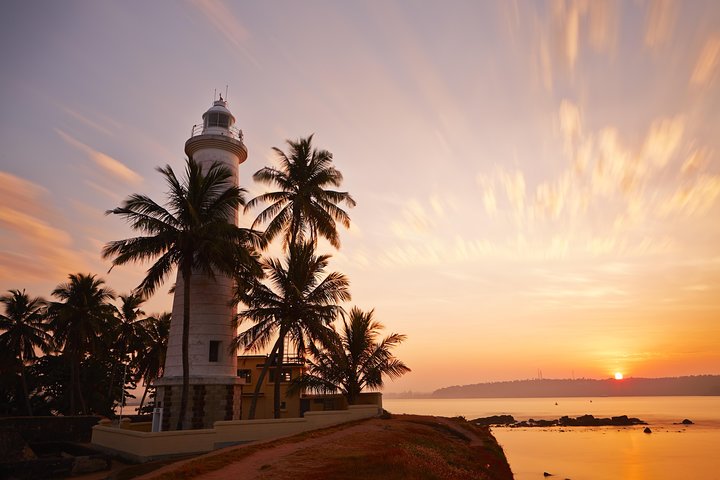
Galle Travel Guide

VAYCAI · DESTINATION GUIDE

Galle Travel Guide

Galle stitches colonial history to surfable reefs and lagooned waterways: walk the fort at dawn, stack a snorkeling trip and a coastal bike ride, and add a canoe on Koggala Lake for a day. Days are easily combined—short transfers let you mix cultural wandering with water-based adventures and easy coastal hikes.

Galle FortUnawatuna BeachKoggala LakeDutch Reformed Church
Explore experiences ↓

Your guide to places, experiences, and adventures.

Get to know the place

Attractions worth a closer look.

MAKE IT PART OF YOUR TRIP

Experiences in Galle.

GET TO KNOW THE PLACE

Why Galle Works for Adventure Travelers

A granite fort keeps vigil while the Indian Ocean nudges the shoreline—Galle feels like a place where history and the sea trade stories. The town’s narrow lanes lead to cafés and lookout points, and beyond them the coast opens into reefs, lagoons, and palm-lined beaches that invite active days and relaxed evenings.

Start inside the fort where Sri Lanka’s layered history is underfoot: Dutch ramparts, colonial facades, and mosques and temples that reflect a mercantile past. The geology here is coastal crystalline rock giving way to sandy spits and coral gardens; tides shape access to snorkeling flats and the reef breaks that attract local surfers. Walk the ramparts at first light to see fishermen launch their outrigger boats and to gauge wind and swell for afternoon water activities. Timing is practical: a morning snorkeling trip often has calmer seas, while late afternoon can be better for paddling when the breeze settles.

Beyond the fort, nature takes a more animated role. Koggala Lake is a patchwork of mangroves and tiny islets that invite kayak or canoe exploration; the lake moves like a slow thought, reflecting palm crowns and distant hills. The southern coast’s reefs produce playful waves for learners and more powerful breaks for experienced surfers. If you want a day inland, short drives bring you to pocket rainforests and tea-scented hills where trails are compact but lush—expect quick elevation gains and muddy stretches after rain. Local guides are valuable for reading tides, locating the best snorkel sites, and arranging safe boat transfers to small coves.

Practical planning keeps the trip effortless. Galle is an hour-plus drive from Colombo by road or a scenic train ride that drops you close to the fort; rental cars, tuk-tuks, and guided transfers are all common. Book guided water activities with providers who include life vests and briefings, and check sea conditions before heading out—the ocean here can change quickly. Evenings reward low-key exploration: sample seafood at a seaside café, watch the fort glow gold as the sun falls, and let the ocean breeze dry out salt and sand. For multi-day trips, stack experiences—culture in the morning, a boat or surf session midday, and a coastal bike ride at dusk—to get a full picture of Galle’s layered coastline.

PLAN YOUR VISIT

When to go.

Best months

December, January, February, March, November

Weather

The south coast generally enjoys drier weather from November through March, making it preferable for snorkeling, surfing, and paddling; the southwest monsoon (roughly May–September) brings heavier rain and choppier seas. Temperatures stay warm year-round, but seas and runoff vary with the monsoons.

Peak season

The busiest period is December through March when international visitors arrive for dry weather and holiday windows; plan and book lodging and popular activities well in advance, and start coastal days early to beat heat and crowds.

Beyond the peak

Visiting in the shoulder or monsoon months can mean lower prices, quieter beaches, and green landscapes, but expect muddy trails, some service limitations, and the possibility of canceled boat trips when seas are rough.

PACK WITH PURPOSE

What to bring.

optional

  • Binoculars for bird and coastal watching
  • Action camera for snorkeling and surf footage
  • Compact picnic kit for beachside lunches

essential

  • Light layers and a sun-protective shirt
  • Reusable water bottle and water purification tablets or plan for bottled water
  • Sturdy sandals or traction footwear for rocky shores
  • Wide-brimmed hat and sunscreen
  • Offline map and local contact numbers

recommended

  • Rain shell or light waterproof
  • Compact first-aid kit and blister care
  • Dry bag for phones and spare clothes
  • Headlamp for early starts or power outages

FIND YOUR PACE

Choose your kind of adventure.

advanced

For experienced adventurers seeking bigger surf, longer crossings, or technical inland trails.

  • Surfing exposed reef breaks for experienced riders
  • Multi-hour open-water boat trips for offshore snorkeling or fishing
  • Extended hikes into nearby wet-zone forest with steeper, muddy sections

beginner

Suites casual travelers and first-time water explorers with low-impact adventures and easy access.

  • Guided reef snorkeling in calm shallows
  • Introduction surf lesson at a gentle break
  • Leisurely walking tour of Galle Fort

intermediate

For travelers comfortable on water and wheels who want longer paddles, cycling, and mixed terrain hikes.

  • Half-day kayak or canoe trip on Koggala Lake
  • Coastal cycling between beaches and fishing villages
  • Guided reef snorkel plus a short offshore boat ride

BEFORE YOU GO

Your questions, answered.

Do I need a guide to explore Galle and the surrounding coast?

You can explore the fort and nearby beaches independently, but hiring a local guide or booking tours is recommended for snorkeling, boat transfers, and inland hikes to ensure safety and local knowledge.

Is it safe to swim and snorkel off the Galle coast?

Many snorkeling spots and beaches are safe with a guide; always check with local operators about tides, currents, and recent weather before entering the water.

How long should I stay to experience Galle and nearby adventures?

A 3–5 day stay lets you combine a fort exploration, a water activity (snorkel or surf), a Koggala Lake paddle, and a coastal bike or scenic drive without rushing.

What’s the best way to get to Galle from Colombo?

Options include a scenic train ride or a private or shared road transfer; trains give coastal views while private transfers offer door-to-door convenience and easier luggage handling.

How should I adjust plans if monsoon rains arrive?

Have indoor or cultural backups (museums, cooking classes) and flexible boat bookings; check forecasts and confirm activity operators will refund or reschedule if seas are unsafe.

Are there dress or cultural considerations I should know?

Dress modestly when visiting religious sites; lightweight long sleeves and a sarong or scarf are handy. At beaches and in the fort, casual beachwear is fine.