


VAYCAI · ATTRACTION GUIDE
Las Cabezas de San Juan Nature Reserve Visitor Guide
Las Cabezas de San Juan pairs easy coastal boardwalks with exposed headlands and sheltered mangrove channels, letting you stack a morning hike with an afternoon kayak and a night paddle to a nearby bioluminescent bay. Prioritize a guided nature tour to reach the lighthouse and reef viewpoints, then add snorkeling or a boat trip for coral and sea life viewing.
FajardoLaguna GrandePalmas del MarCaribbean Sea
Explore experiences ↓Your guide to places, experiences, and adventures.
Get to know the place
Attractions worth a closer look.
THE GOOD STUFF STARTS HERE
Experiences in Fajardo.

Fajardo, Puerto Rico
Private Charter to Icacos Island: Snorkel and Beach Day from Fajardo
from $3,800USD

Fajardo, Puerto Rico
Private Icacos Island Snorkel Tour from Fajardo: Snorkel, Beach & Local Rum
from $5,000USD


Fajardo, Puerto Rico
Fajardo to Cayo Icacos Private Boat Tour — Half-Day Snorkel & Beach Trip
from $850USD

Fajardo, Puerto Rico
Night Kayak Laguna Grande: Bioluminescent Bay Eco-Adventure from San Juan
from $115USD

Fajardo, Puerto Rico
Bio Bay Night Kayaking in Fajardo: Laguna Grande Bioluminescence Tour
from $85USD

Fajardo, Puerto Rico
Treasure Hunt Hike Near Fajardo, Puerto Rico — App-Guided Outdoor Adventure
from $55USD

Fajardo, Puerto Rico
Explore El Yunque Rainforest: Hiking, Rope Swings & Natural Waterslides
from $40USD


Fajardo, Puerto Rico
Night Snorkel Adventure off Fajardo: Boat Tour with Drinks & Appetizers
from $760USD

Fajardo, Puerto Rico
VIP Private 2-Tank Scuba Dive in Fajardo Reefs with PADI PADI Instructor
from $1,300USD
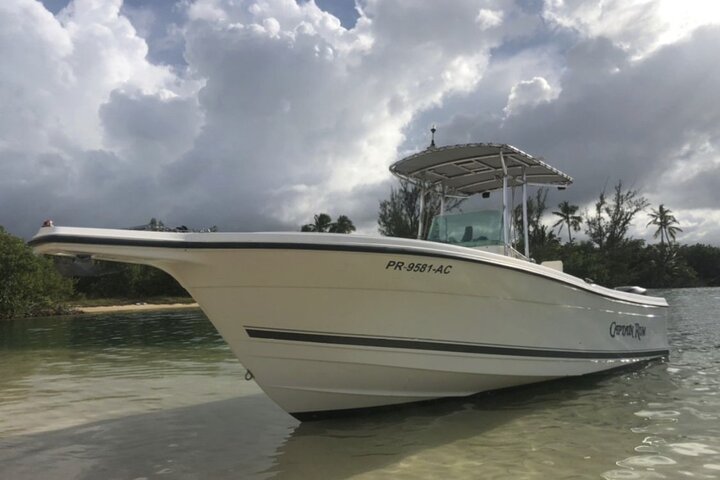

Fajardo, Puerto Rico
Private East Side Puerto Rico Tour: El Yunque, Luquillo Kiosks & Fajardo Beaches
from $95USD

Fajardo, Puerto Rico
Sailing and Snorkeling Private Tour from Fajardo to Piñeros and Palomino Islands
from $2,138.29USD


Fajardo, Puerto Rico
All-Inclusive Charter to Icacos & Palomino Islands | Fajardo Snorkel Day Trip
from $1,350USD

Fajardo, Puerto Rico
Full-Day Fajardo to Vieques Boat Charter — Snorkel Sea Turtles at Punta Arena
from $1,500USD


Fajardo, Puerto Rico
Private Yacht Charter to Icacos from Fajardo — 4-Hour Icacos Day Trip
from $1,755USD

Fajardo, Puerto Rico
Private Half-Day Snorkel & Beach Cruise to Icacos, Palomino and Piñero Islands from Fajardo
from $900USD
Listed starting prices may vary by option, travel date and group size. Confirm the final total and availability on Viator. Sponsored links: we may earn a commission from qualifying bookings.
GET TO KNOW THE PLACE
Why Visit Las Cabezas de San Juan Nature Reserve
Stand on the reserve’s headland and you feel the ocean pull at the shore, nudging mangrove roots and polishing reef flats. A short network of paths and a raised boardwalk thread through coastal forest, salt flats, and seagrass beds, offering a compact, accessible patch of Caribbean ecology that feels larger than its footprint.
Las Cabezas de San Juan occupies a narrow spit on Fajardo’s northeastern coast where geology, sea, and human history converge. Coral outcrops and volcanic sediments underlie beaches and reefs; waves and tidal flows sculpt channels through mangroves that hold juvenile fish and migratory birds. Spanish-era navigational points and a restored lighthouse give the reserve a cultural anchor—local guides link those structures to fishing traditions and conservation efforts started in the late 20th century. The reserve’s small footprint makes it an excellent single-day destination for travelers based in Fajardo or using the town as a gateway to nearby islands.
Planning is straightforward but practical. Reserve access is controlled and often easiest with a guided tour that includes transport from central Fajardo; guided options also explain sensitive habitats and keep small-boat traffic minimal. Mornings are best for clearer water and more active birdlife; late afternoons bring wind and surf that sculpt exposed points and color the sky. If you want to add snorkeling, choose a calm day or a guided boat with reef awareness—reefs are fragile and local operators follow no-contact rules. For evenings, book a separate bioluminescent bay paddle in Laguna Grande rather than relying on the reserve after dark.
Stacking experiences works well here: do a morning trail and lighthouse visit, a midday snorkel or boat tour, and a twilight bay paddle on another night. Bring sun-protective layers, water, and traction footwear for short rocky stretches. Keep expectations realistic: this is a focused coastal reserve, not a large wilderness, so the reward is concentrated—close-up encounters with mangrove ecology, shoreline birds, reef patches, and a dramatic coastal outlook that demands little travel time but gives substantial variety.
PLAN YOUR VISIT
When to go.
Best months
December, January, February, March, April
Weather
The drier winter months offer clearer water and steadier mornings for snorkeling and paddling, while summer brings higher humidity, warmer water, and a greater chance of afternoon showers. Hurricane season runs roughly June through November and can affect sea conditions.
Peak season
The busiest period runs from December through April when visitors flock to Puerto Rico for drier weather; book tours and accommodations in advance and aim for early-morning start times to avoid crowds.
Beyond the peak
Visiting in late spring or summer can mean fewer people and lower rates, with the trade-off of afternoon storms and warmer, murkier water; choose sheltered activities and check weather forecasts.
PACK WITH PURPOSE
What to bring.
optional
- Binoculars for birdwatching
- Compact snorkel mask if you plan to visit reefs
essential
- Reusable water bottle and snacks
- Sun protection (hat, SPF 30+ sunscreen, UV shirt)
- Traction footwear or sturdy sandals
- Light rain shell or windbreaker
- Offline map or downloaded directions and contact for your guide
recommended
- Dry bag for electronics
- Lightday pack with quick-dry layer
- Waterproof phone case or small action camera
FIND YOUR PACE
Choose your kind of adventure.
advanced
Advanced itineraries layer technical paddling, extended reef dives, and self-directed coastal exploration for experienced adventurers.
- Self-guided sea kayak along exposed headlands on calm days
- Advanced reef snorkeling or guided scuba dives
- Multi-activity day combining boat transit, reefs, and remote trail sections
beginner
Beginner adventures are short, guided, and low-impact—great for families and casual explorers.
- Boardwalk nature strolls with interpretive stops
- Short guided boat tour around the coastline
- Sunset photo stop at the lighthouse viewpoint
intermediate
Intermediate travelers can combine paddling and snorkeling with longer hikes and multi-hour guided trips.
- Guided kayak through mangrove channels
- Half-day snorkel trip to nearby reefs
- Early-morning birdwatching and coastal hike
BEFORE YOU GO
Your questions, answered.
Do I need a guide to visit the reserve?
Entry and interpretive programs are often run as guided visits; while some sections may be accessible independently, a guide enhances wildlife viewing and ensures you follow restricted zones.
How long should I plan for a visit?
Allocate a half day to cover the boardwalks and lighthouse viewpoint, and a separate evening for a bioluminescent bay paddle if you want both experiences.
Is snorkeling available directly from the reserve?
Snorkeling is best done via a guided boat or nearby reef trip; shallow reef patches are sensitive, so guided operators help protect coral and choose the safest entry points.
Are there safety concerns to know about?
Watch for strong sun and wind on exposed headlands, wear proper footwear on rocky stretches, and avoid entering mangrove channels without a guide; always check sea conditions before paddling.
What’s the best way to get there from San Juan?
Drive from San Juan to Fajardo is the usual approach; many visitors base in Fajardo and take short local transport or arranged tours to the reserve.
Can I combine this with island trips to Vieques or Culebra?
Yes—Fajardo is a regional gateway with ferries and charter boats to nearby islands, making it easy to combine a reserve visit with island day trips.