THE ADVENTURE COLLECTIVE FIELD NOTES
A closer look at the journey.
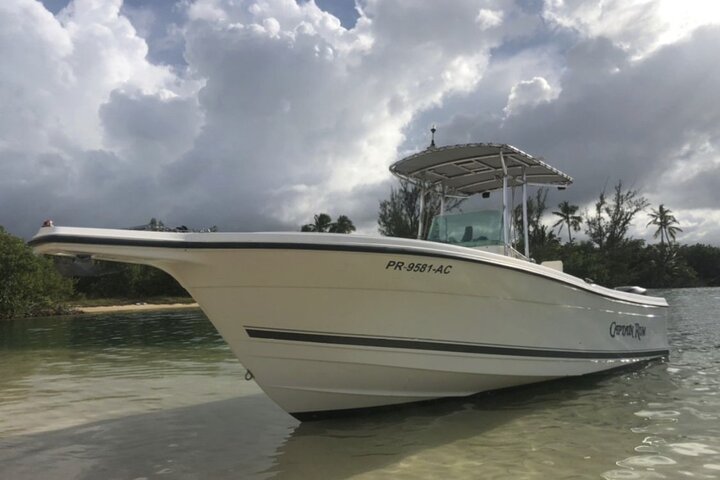
Boarding the 27' Boston Whaler as the sun slips below the Fajardo horizon, you feel the evening breeze pull you seaward. Lights on deck click on, guides check gear, and the reef ahead waits—nocturnal and transformed. The water cools, fish change shift, and small crustaceans begin to forage; your beam skims coral heads that once grew from ancient limestone and now host this restless night community.
Puerto Rico’s east coast sits atop a carbonate shelf where reefs and channels formed over millennia. Fajardo’s marine culture mixes Taino fishing history with modern dive tourism—locals still read currents and weather the same trade winds that guided canoes centuries ago. At night the reef takes on new personality: parrotfish snooze under ledges, crabs scuttle like tiny sentinels, and bioluminescent plankton can flare when disturbed.
Practically, expect a three-hour outing: sunset boat ride, guided briefing, and night snorkeling using provided masks, fins, and waterproof flashlights. Guides anchor in shallow reef flats; participants enter in small groups with safety lines and clear communication. Wear a well-fitting mask and fins, secure any loose gear, and use reef-safe sunscreen before dusk. Seas can be calm but bring motion-sickness remedies if you’re sensitive. The crew serves light appetizers and drinks on the return—an easy cooldown after salt, flashlight beams, and close encounters with a marine night shift.
This trip balances thrill and safety: basic swimming ability, attention to guide instructions, and respect for the reef make the evening unforgettable rather than risky.
Things to know before you go
Bring a waterproof flashlight
Even with provided lights, a personal waterproof torch helps you spot small crevices and nocturnal creatures up close.
Take motion-sickness medicine ahead of time
Departures at sunset can be choppy—prevent nausea by taking medication 30–60 minutes before boarding if you’re prone to seasickness.
Use reef-safe sunscreen pre-dusk
Apply biodegradable sunscreen before the briefing to protect coral and avoid needing reapplication after entering the water.
Stay close to your guide
Night visibility is limited; staying within sight of the guide keeps the group cohesive and improves safety for nocturnal encounters.
Your questions, answered.
Is night snorkeling safe for beginners?
Yes—guided groups, safety briefings, and provided gear make it accessible to beginners with basic swimming ability; minors must be accompanied by an adult.
What happens in bad weather?
Tours cancel for significant bad weather; operators typically offer a full refund if canceled at least 24 hours in advance or the company cancels due to conditions.
Are towels and wetsuits provided?
Basic snorkeling gear and underwater flashlights are provided; towels and wetsuits are not standard—bring your own if you prefer extra warmth or comfort.
Can I get seasick on this trip?
Some travelers experience motion sickness—take preventative medication before boarding and sit mid-boat where motion is minimized.