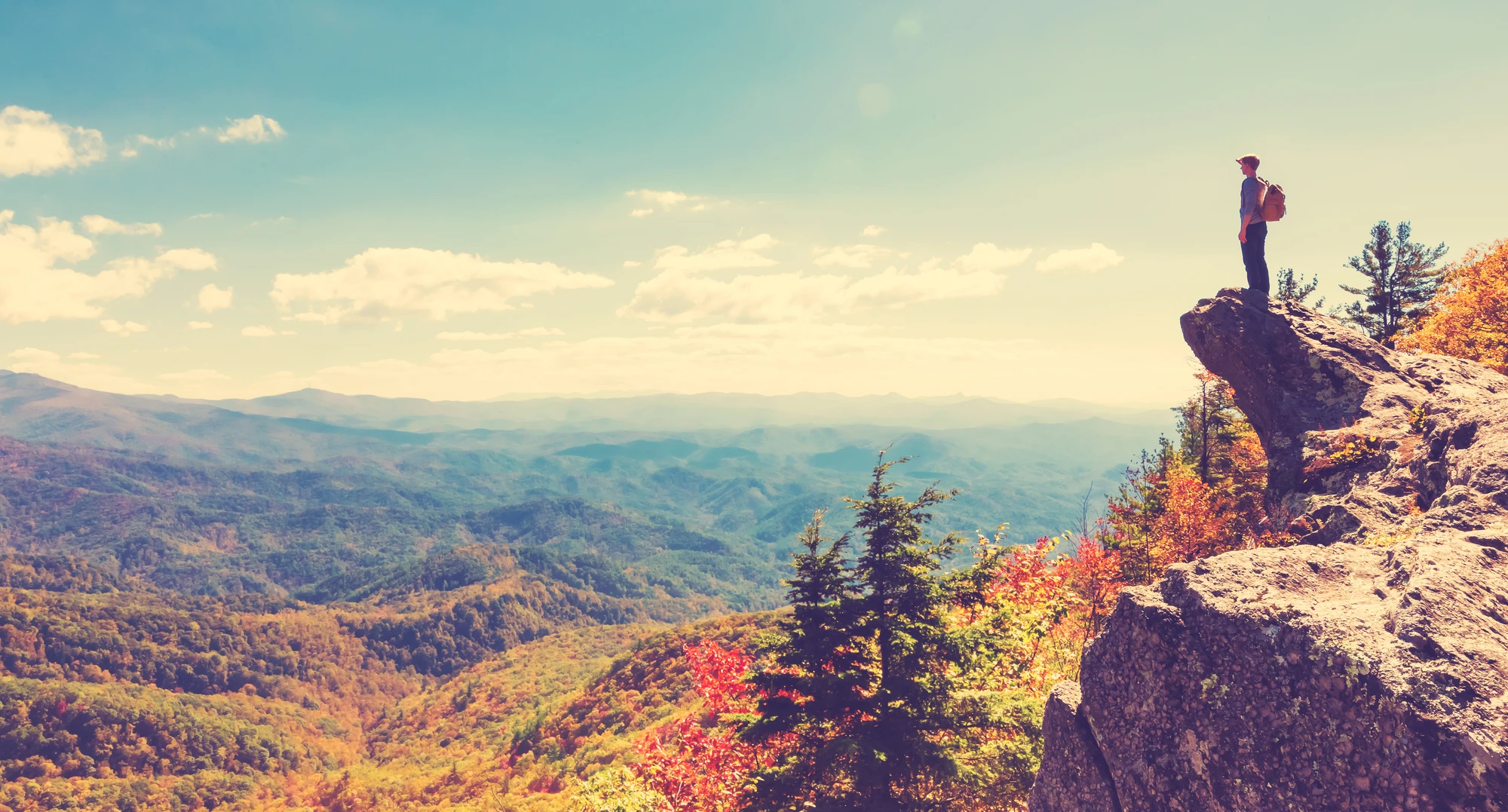
Great Smoky Mountains Visitor Guide

VAYCAI · ATTRACTION GUIDE

Great Smoky Mountains Visitor Guide

Stack waterfall hikes with scenic drives and easy river strolls out of Gatlinburg for a balanced mountain trip. Mornings are for trails and ridgeline views; afternoons can include museum stops, river access, or a dip in mountain-town hospitality. Time your days around elevation and weekend crowds to keep the rhythm practical and enjoyable.

Great Smoky Mountains National ParkGatlinburgCades CoveLittle RiverBlue Ridge
Explore experiences ↓

Your guide to places, experiences, and adventures.

Get to know the place

Attractions worth a closer look.

THE GOOD STUFF STARTS HERE

Experiences in Gatlinburg.

Choose a destination ↗
Refine loaded results +

Price, rating and additional refinements apply to loaded results. Product facts appear when supplied; missing values are excluded by a refinement. Load more to expand your selection.

0 of 0 loaded guides

No matching saved guides. Try another activity or destination.

Listed starting prices may vary by option, travel date and group size. Confirm the final total and availability on Viator. Sponsored links: we may earn a commission from qualifying bookings.

GET TO KNOW THE PLACE

Why Visit the Great Smoky Mountains

Misty ridgelines hold their breath at dawn and then loosen into a chorus of birds and rushing water. The Smokies feel immediate — a mix of old-growth forest, limestone hollows, and mountain culture centered in towns like Gatlinburg. This is a place that lets you stack everything from gentle waterfall walks to long ridge days in a single itinerary.

Walk into the Smokies and the forest speaks in textures: lacquered rhododendron, peeling bark, and leaf litter that softens every step. Geologically, these mountains are ancient—folded and worn, their topography forged by time and water rather than sudden peaks. Human history threads through hollows and farmsteads; early settler cabins and preserved valley communities remind you this landscape was lived in long before it was protected. The park’s mosaic of hardwoods and spruce-fir stands changes the rules of the day—what’s a warm noon in town can be cool on higher ridges—so plan for layers.

Plan your access pragmatically. Gatlinburg is the busiest gateway, giving quick entry to popular loops and overlooks; quieter trailheads lie farther off the main roads. Weekends bring crowds to the most accessible waterfalls and summits, so start early to claim solitude and parking. Trails range from family-friendly boardwalks to backcountry routes that require map skills and overnight reservations for campsites if you go deep. Water levels vary with season and recent rainfall; streams will nudge or push you depending on timing, so check conditions before you ford or wade.

Culture here is as much part of the trip as the hiking. Mountain towns carry music, craft, and food traditions that are excellent padding for a day off the trail. Spend an afternoon at a local visitor center or a historic cabin to ground your outdoor time in context. For photographers and naturalists, seasons dictate priorities: wildflowers and waterfalls in spring, lush green canopy in summer, and a rush of color in fall. Whatever you choose, let the landscape set the pace: slow on the valley floors, deliberate on the ridgelines.

PLAN YOUR VISIT

When to go.

Best months

May, June, September, October

Weather

Spring and fall offer clear hiking weather and comfortable temperatures, summer brings heat plus afternoon storms, and winter can be quiet but cold at higher elevations. Weather changes quickly with elevation gain.

Peak season

Late September through October is the busiest time due to fall color; weekends in this period see heavy traffic, so book lodging early and plan morning starts.

Beyond the peak

Winter and early spring offer fewer crowds and lower rates in Gatlinburg; be mindful of icy sections and muddy trails in thaw periods and select routes less prone to erosion.

PACK WITH PURPOSE

What to bring.

optional

  • Binoculars for birding and wildlife
  • Small dry bag for electronics and snacks
  • Action camera or lightweight tripod

essential

  • Layered clothing (base, insulating midlayer, wind/rain shell)
  • Sturdy trail footwear with good traction
  • At least 1.5–2 liters of water per person or a water filter
  • Sun protection (hat, sunglasses, SPF)
  • Offline map or GPS and a compass

recommended

  • Rain shell and pack cover
  • Headlamp with fresh batteries
  • Trekking poles for steeper or muddy sections
  • Light first-aid kit

FIND YOUR PACE

Choose your kind of adventure.

advanced

Advanced trips involve multi-day backcountry travel, route-finding in remote terrain, and winter conditions that require experience and careful planning.

  • Backcountry overnight treks with heavy packs
  • Long ridge-to-valley traverses with complicated navigation
  • Winter mountaineering on exposed high-elevation trails

beginner

Beginner-friendly routes focus on short, accessible trails, interpretive stops, and scenic drives that require minimal technical skills.

  • Short waterfall and riverbank walks
  • Scenic drives with pullout overlooks
  • Easy nature center trails and historic valley tours

intermediate

Intermediate outings include longer day hikes, uneven terrain, and moderate elevation gain that reward stamina and route-finding.

  • Ridge hikes with sustained elevation gain
  • Extended waterfall hikes with rocky approaches
  • Day trips combining hiking and local cultural sites

BEFORE YOU GO

Your questions, answered.

Do I need a permit to hike in the Great Smoky Mountains?

Day hiking on most trails does not require a permit, but overnight backcountry camping typically requires a permit or campsite reservation; check the park’s official resources before planning an overnight.

How do I avoid crowds at popular waterfalls and overlooks?

Start hikes early in the morning, visit popular sites on weekdays, and consider lesser-known trailheads farther from Gatlinburg for quieter experiences.

Is mountain biking allowed in the park?

Trail access for mountain biking is limited within the national park; seek local bike parks and trails outside park boundaries or confirm rules with park authorities.

What should I do if weather turns bad during a hike?

Turn back early if conditions deteriorate, move off exposed ridgelines in storms, seek lower elevation and shelter, and communicate your plans before you leave.

How long should I plan for a first trip to the Smokies?

Plan 3–5 days to experience a mix of short hikes, a scenic drive, and a cultural stop; longer stays let you explore quieter backcountry routes and neighbor towns.

Are there guided options if I prefer not to self-guide?

Yes—local guides and outfitters offer day hikes, wildlife tours, and interpretive experiences; a travel agent can book reputable providers in advance.