Gatlinburg Travel Guide

VAYCAI · DESTINATION GUIDE

Gatlinburg Travel Guide

Gatlinburg sits at the doorstep of the Great Smoky Mountains, where forested trails, tumbling streams, and ridge viewpoints stack into a single weekend or weeklong adventure. Plan days that mix short waterfall walks, scenic drives up into the park, and an evening on the town—combine easy nature loops with steeper ridge hikes for a rounded mountain trip.

Great Smoky Mountains National ParkRoaring ForkGatlinburg StripLittle Pigeon River
Explore experiences ↓

Your guide to places, experiences, and adventures.

Get to know the place

Attractions worth a closer look.

MAKE IT PART OF YOUR TRIP

Experiences in Gatlinburg.

Explore live experiences and current availability in Gatlinburg.

Browse experiences ↗

GET TO KNOW THE PLACE

Why Gatlinburg Works for Adventure Travelers

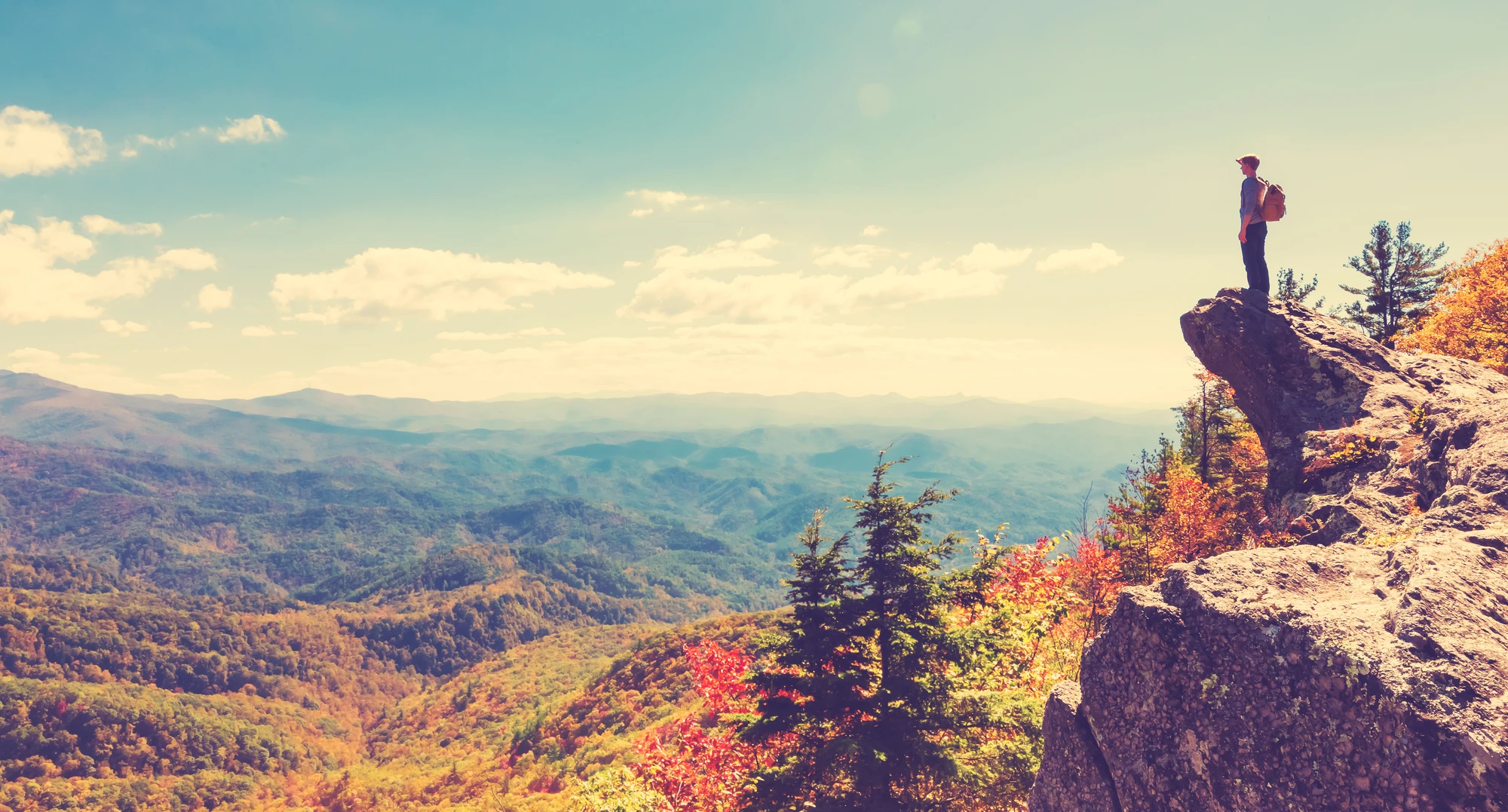
Misty ridgelines hold the dawn in the Great Smoky Mountains while the town of Gatlinburg hums below. Trails peel away from the city, trading neon signs for hemlock shade and streams that nudge your pace. It’s a compact base where waterfall hikes, ridge views, and easy paddling are all reachable in a single trip—ideal for stacking varied outdoor days without long transfers.

Walk into the Smokies and the mountain landscape begins to show personality: older summits wear rounded profiles like weathered shoulders, creeks chatter and occasionally roar after rain, and the forest layers—maple, oak, rhododendron—hold the light differently as you climb. Geologically this is folded Appalachian terrain, eroded over deep time into the soft ridgelines visitors now explore. Cultural history is braided through the hills: early mountain farms, Appalachian crafts, and a long tradition of small-town hospitality make Gatlinburg as much a cultural stop as a launching point for nature. Local museums and craft shops line parts of the town, giving an accessible context between activity days.

Timing and access shape how you stack experiences here. Spring and fall are prime for crisp mornings, clearer vistas, and comfortable hiking temperatures; summer brings midday storms and busier pullouts, so plan hikes early. Many trailheads sit within short drives of town, but park entry and parking at popular trailheads can fill by mid-morning on weekends—start before sunrise if you want solitude. Public transit options are limited; a car makes it easier to pivot between river access, trailheads, and scenic drives. If you prefer guided outings, local outfitters cover everything from guided hikes to family-friendly paddles and zipline adventures, which simplifies logistics on busy weekends.

For practical planning: pair a longer ridge hike with an easy afternoon activity like a river stroll or scenic chairlift to keep the group together over varying fitness levels. Pack layers for sudden temperature swings on higher trails, and carry water—streams look inviting but water treatment is still needed. Respect park rules and seasonal restrictions, and be ready to shift plans when weather rolls in; the mountains change their mood quickly. With short transfer times between town and trailheads, you can choose a restorative morning walk and a tougher afternoon climb without losing a day to travel.

PLAN YOUR VISIT

When to go.

Best months

April, May, September, October, November

Weather

Spring and fall bring mild temperatures and clear hiking days; summer is warmer with frequent afternoon thunderstorms; winter is quieter with potential for icy trails at higher elevations.

Peak season

Late spring through early fall, especially autumn leaf season, is busiest—book lodging and guided activities well in advance and start hikes early to avoid crowded trailheads.

Beyond the peak

Winter and early spring offer lower rates and quieter trails; expect limited services and possible mud or icy patches—choose lower-elevation routes and check conditions before heading out.

PACK WITH PURPOSE

What to bring.

optional

  • Binoculars for birding
  • Action camera or waterproof case
  • Picnic kit for overlook lunches

essential

  • Layered clothing for cool mornings and warmer afternoons
  • Sturdy traction footwear or hiking boots
  • Sufficient water and snacks
  • Sun protection (hat, sunscreen) and insect repellent
  • Offline map or GPS and a charged phone

recommended

  • Light rain shell
  • Headlamp or flashlight
  • Trekking poles for steeper routes
  • Small dry bag for river or waterfall visits

FIND YOUR PACE

Choose your kind of adventure.

advanced

Advanced travelers will find multi-day backcountry routes, technical scramble sections, and winter mountaineering opportunities on higher ridges.

  • Backcountry overnight backpacking and route-finding
  • Steep ridge ascents and scrambling sections
  • Winter alpine-style outings where conditions permit

beginner

Beginner travelers can enjoy short, well-marked nature walks, easy waterfall views, and low-effort scenic attractions.

  • Riverside strolls and short waterfall walks
  • Scenic chairlift or overlook visits
  • Family-friendly guided nature walks

intermediate

Intermediate adventurers can combine sustained ridge hikes, moderate river paddling, and local mountain biking on maintained trails.

  • Half-day ridge hikes with elevation gain
  • Guided paddling on gentle river stretches
  • Cross-country mountain biking on established trails

BEFORE YOU GO

Your questions, answered.

Do I need a permit to hike in the Great Smoky Mountains near Gatlinburg?

Most day hikes do not require permits; backcountry camping does—check park regulations and register if you plan overnight stays.

Is Gatlinburg a good base for families with mixed fitness levels?

Yes. The area offers short, accessible nature walks and scenic attractions alongside longer hikes, so you can mix easy and moderate activities in a single trip.

How do I handle wildlife encounters like bears while hiking?

Make noise on trails, store food properly, stay on designated paths, and follow park guidance; carrying bear spray is optional but check current park recommendations.

What transportation options exist if I don't want to drive?

Public transit is limited; shuttles and local taxi services are available seasonally, and guided tours typically include transportation—arrange transfers via your travel planner if needed.

How many days should I plan to get a good taste of Gatlinburg and the Smokies?

Three to five days lets you combine a couple of hikes, a scenic drive into the park, and one guided activity while allowing downtime to explore town and recover.

What should I do if weather forces a change of plans?

Have backup lower-elevation activities or town-based options like museums and craft demonstrations; outfitters can often reschedule or suggest alternatives.