Hoonah, United States
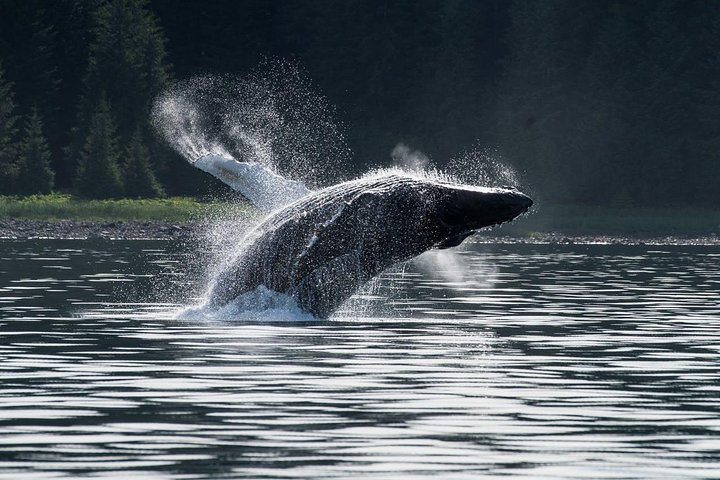
Hoonah Whale-Watching Cruise Near Icy Strait Point — 3-Hour Humpback and Wildlife Tour
from $225USD

VAYCAI · ATTRACTION GUIDE
Worthington Glacier near Hoonah pairs dramatic ice viewing with coastal ecosystems—stack a glacier lookout with wildlife watching, a short hike, and a waterborne approach for a full day. Access is often by road or boat depending on tides and weather, and you can combine this stop with fishing, kayaking, or a scenic drive along Southeast Alaska’s shoreline.
Your guide to places, experiences, and adventures.
THE GOOD STUFF STARTS HERE
Hoonah, United States
Listed starting prices may vary by option, travel date and group size. Confirm the final total and availability on Viator. Sponsored links: we may earn a commission from qualifying bookings.
GET TO KNOW THE PLACE
Step close enough to hear ice whisper. Worthington Glacier is a tactile introduction to Alaska’s glacial landscape where coastal weather sculpts the experience and sea and ice share the stage. For visitors based in Hoonah, the glacier is an accessible slice of wilderness that stacks well with kayaking, wildlife viewing, and short exploratory hikes.
The first impression is physical: a broad face of blue-tinged ice holding its slow shape against a ragged mountain flank. The glacier’s history is written in striations and moraine—layers of older snowfall compacted into a river of ice that has marched and retreated over millennia. This is coastal glaciation, influenced by ocean-driven weather more than interior icefields; storms roll in from the Pacific, drizzle can turn to sudden sun, and currents nudge boats close to tidewater viewing points. Local Indigenous communities and long-time mariners offer context—the ice is part of a living landscape that supports salmon runs, intertidal life, and seasonal predator migrations.
Planning is straightforward if you keep three practical rules: respect the weather, layer for quick changes, and allow time for travel delays. Access options vary—short road approaches, guided boat landings, and kayak-supported viewpoints are common—so build an itinerary that can pivot from land to water. Mornings often offer calmer seas and clearer views; afternoons bring more cloud and wind. When you visit, prioritize unobstructed viewpoints and prioritize safety around tidewater and unstable moraines. For photographers and hikers, timing light and scouting vantage points early in the day pays dividends.
Worthington Glacier is also a place to stack experiences. Start with a shoreline lookout, add a guided maritime wildlife tour, and finish with a short coastal hike through rainforest benches where spruce and hemlock hold the shoreline. Bring binoculars for birds and marine mammals, and treat any glacial edge as dynamic—chunks calve unpredictably and currents shift. If you want to go onto the ice, hire a certified guide; self-guided glacier travel is risky. Lastly, factor logistics: ferry schedules, seasonal road conditions, and lodging availability in Hoonah influence how long you should stay and which day-trips are realistic.
PLAN YOUR VISIT
May, June, July, August, September
Summer months bring long daylight and the warmest conditions, but coastal storms and rain are frequent; shoulder seasons can be crisp and clear. Expect cool temperatures and quick shifts between sun, drizzle, and wind.
Mid-June through August is the busiest period with longest daylight and most service providers operating; book guided experiences and lodging well ahead and start outings early to avoid afternoon winds.
Spring and early fall offer lower crowds and dramatic light; services are more limited and some roads or ferry schedules change, so verify access and choose routes mindful of muddy or icy conditions.
PACK WITH PURPOSE
FIND YOUR PACE
Challenging, skill-focused outings that require technical gear, guides, or strong backcountry experience.
Accessible experiences for first-time Alaska visitors that focus on short walks and guided boat viewing without technical gear.
Active days that mix paddling and longer hikes with some exposure to coastal conditions and logistical planning.
BEFORE YOU GO
You can view the glacier from established overlooks without a guide, but guided boat or glacier-travel experiences are recommended for any on-ice activity and for safer access to tidewater viewpoints.
Allocate a half- to full-day depending on access; boat-supported excursions and transfers can add time, so plan around tide and ferry schedules when applicable.
Unstable moraine and tidewater, sudden weather shifts, and strong currents—keep distance from the ice edge and follow guide instructions for water activities.
Access varies by provider and season: options include short road approaches, small-boat rides, and organized day trips—confirm transport details when booking.
Service is limited in remote areas; plan for minimal infrastructure and pack essentials. Visitor facilities at overlooks may be basic or absent.
Build flexibility into your schedule; operators often reschedule for earlier or later windows and may offer alternative land-based viewing options.