Hoonah Travel Guide

VAYCAI · DESTINATION GUIDE

Hoonah Travel Guide

Hoonah pairs rugged coastal scenery with accessible small-town logistics, letting you stack shoreline paddles, whale-watching, and short rainforest hikes into a single trip. Plan for sea-based adventures plus a day of cultural immersion with Tlingit-hosted experiences; trust boats and floatplanes to move you between highlights.

Chichagof IslandIcy StraitGlacier BayTongass National Forest
Explore experiences ↓

Your guide to places, experiences, and adventures.

Get to know the place

Attractions worth a closer look.

MAKE IT PART OF YOUR TRIP

Experiences in Hoonah.

GET TO KNOW THE PLACE

Why Visit Hoonah

Salt on the air, spruce and hemlock leaning toward the water, and a working harbor where skiffs come and go—Hoonah feels like a place built to move people between shorelines and wild edges. It’s intimate: a maritime basecamp for wildlife viewing, paddling, and short alpine approaches, with a living Tlingit community that anchors the town’s rhythm.

The islands and inlets around Hoonah are carved of old granite and glacial tills; ridgelines hold the damp air and the forest seems to breathe with the tides. That geology makes for steep, quick-moving streams and moss-slick trails that demand good footwear and attention, but reward you with sudden fjord views and sheltered beaches. For planning, think in trip modules: a morning boat trip for whales, an afternoon guided kayak or shore hike, and a cultural evening. Weather can shift fast—mornings often calm, afternoons can build sea breeze and showers—so stack the wind-dependent activities in the early day when possible.

Hoonah’s history is visible in its village layout and cultural offerings. The Tlingit presence predates modern access routes, and contemporary cultural tours, carving demonstrations, and community events give context to the landscape. Logistics are straightforward but require coordination: the town is reachable by scheduled ferry, floatplane, or small commercial flights to nearby hubs, and many of the best itineraries lean on local skiff operators and guides. Prioritize bookings for boat-based wildlife viewing and any guided glacier approaches in summer; lodging inventory is modest and fills for holiday weekends.

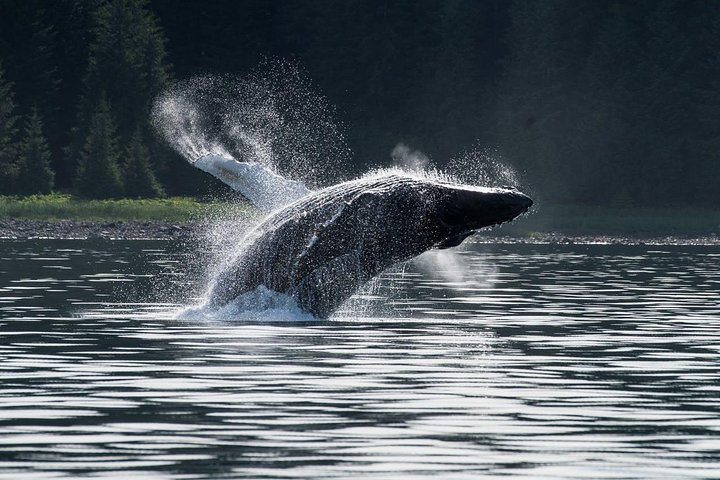
For timing and priorities, aim to balance sea time with buffer days. Wildlife is the headline—humpback and orca season peaks in summer—but weather and tides shape what’s safe and scenic on any given day. If you have a short window, book a morning wildlife cruise and an afternoon hike or village visit. If you have more days, add a full-day floatplane trip into Glacier Bay or a multi-launch kayak loop. Practical tips: check tide tables for shore access, bring wet-weather layers, and plan flexible arrival and departure windows to accommodate weather-dependent connectors.

PLAN YOUR VISIT

When to go.

Best months

June, July, August, September

Weather

Summer brings the most stable sea conditions and abundant wildlife activity, though coastal showers remain common; spring and fall are cooler and wetter with more variable sea states. Winter is quiet and snowy with limited services.

Peak season

The busiest period is mid-June through August when whale and salmon seasons draw the most visitors; book lodging and boat-based tours well in advance and start sea excursions early in the day.

Beyond the peak

Shoulder months offer lower prices, fewer crowds, and crisp light for photography, but expect muddier trails and reduced boat schedules; choose protected routes and verify operator availability.

PACK WITH PURPOSE

What to bring.

optional

  • Telephoto lens or action camera
  • Compact picnic kit for beach lunches
  • Small daypack rain cover
  • Guidebook or cultural primer about Tlingit history

essential

  • Layered insulating clothing (base, mid, shell)
  • Waterproof rain shell and pants
  • Sturdy, grippy footwear with ankle support
  • Personal water bottle and basic first-aid kit
  • Offline map or downloaded navigation app

recommended

  • Dry bag for electronics and packs
  • Lightweight headlamp and extra batteries
  • Trekking poles for slick, rooty trails
  • Microspikes or traction devices for early/late season
  • Packable binoculars for wildlife viewing

FIND YOUR PACE

Choose your kind of adventure.

advanced

Challenging, weather-exposed adventures that require strong navigation skills, endurance, and often a guide for safety.

  • Multi-day sea-kayak loops in exposed waters with tidal planning
  • Remote backcountry routes and alpine ridge travel requiring route-finding
  • Guided glacier approaches or technical shore-to-ice transitions

beginner

Accessible, low-risk activities that require minimal prior experience and rely on guided support.

  • Half-day whale-watching boat tour with a naturalist guide
  • Short rainforest or shoreline walks around town
  • Guided bay canoe or sheltered-water kayak paddles

intermediate

Activities for travelers comfortable with longer days, basic navigation, and some variable weather.

  • Self-guided multi-cove kayak excursions on calm days
  • Full-day guided fishing charter or island-hopping boat trips
  • Longer hikes to coastal viewpoints and alpine meadows

BEFORE YOU GO

Your questions, answered.

How do I get to Hoonah, and which option is best for a short trip?

Hoonah is accessed by regional ferry, floatplane, or small commercial flights to nearby hubs followed by ground or water transfer. For a short trip, a scheduled ferry or a floatplane from a nearby hub is often fastest and maximizes time on the water.

Should I book guided tours or explore on my own?

Both work—guided tours add safety, local knowledge, and equipment; self-guided options require careful planning for tides, weather, and wildlife etiquette. For whale-watching and glacier trips, guided tours are recommended.

Are there wildlife safety concerns I should plan for?

Yes. Keep distance from marine mammals and shore-bound animals, secure food and gear, and be bear-aware in coastal and forested areas. Follow your guide’s instructions and carry bear deterrents if camping or traveling off-trail.

Can I combine Hoonah with Glacier Bay or other nearby attractions?

Yes. Many itineraries add floatplane or boat day trips to Glacier Bay or nearby islands; allow flexibility for weather-dependent transfers and confirm operator routes ahead of time.

How many days should I plan to get a good feel for Hoonah?

A long weekend (3–4 days) covers a wildlife cruise, a kayak or shore hike, and a cultural visit; a week lets you add a glacier flight or multi-day paddling loop and provides buffers for weather changes.

What happens if weather cancels a booked floatplane or boat tour?

Operators typically offer rebooking or refunds, but policies vary—build buffer days into your itinerary and coordinate with your operator or travel agent for alternate plans.