
VAYCAI · DESTINATION GUIDE
Akita Prefecture Travel Guide
Akita stitches together coastal cliffs, volcanic mountains, and ancient beech forests where waterfalls and onsen nestle close. Stack day hikes with onsen recovery, a scenic coastal drive, and a river paddle or mountain-bike loop for a full provincial circuit that mixes movement and culture without overstaying your welcome.
Oga PeninsulaShirakami-SanchiLake TazawaMount ChōkaiTowada-Hachimantai
Explore experiences ↓Your guide to places, experiences, and adventures.
THE GOOD STUFF STARTS HERE
Experiences in Akita Prefecture.


Kakunodate, Japan
Private Zen Meditation Experience in Kakunodate — 2-Hour Soto Temple Session
from $195.82USD

Kakunodate, Japan
Iaido in Kakunodate: Sword Training and Samurai Etiquette in a Historic Samurai Town
from $254.57USD

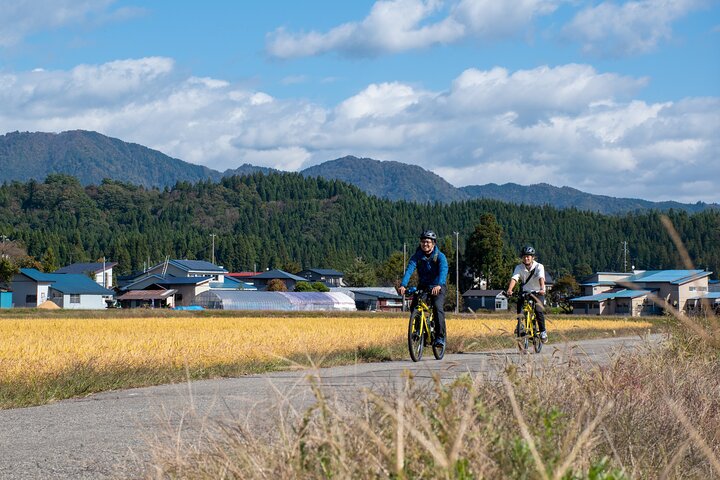
Kakunodate, Japan
Cycle Kakunodate: 3-Hour Samurai Town & Countryside Bike Tour in Akita
from $127.29USD

Listed starting prices may vary by option, travel date and group size. Confirm the final total and availability on Viator. Sponsored links: we may earn a commission from qualifying bookings.
GET TO KNOW THE PLACE
Why Akita Prefecture
The first step into Akita is a small surrender: trade crowds for space. Forests here breathe slow; the sea pushes a steady salt wind along the Oga cliffs while volcanic ridgelines hold the weather just long enough to reveal wide views. Adventure in Akita means stacking effort with recovery—hike in the morning, soak in an onsen by afternoon, and watch storms roll across mirrored lakes.
Akita's landscape is shaped by fire and ice. Volcanic peaks like Mount Chōkai press up from the coast, throwing glacial valleys and highland plateaus that collect snow all winter and release clear meltwater into rivers and lakes. Shirakami-Sanchi’s beech forests are a geological and ecological archive—ancient trees braided with moss and streams—where stepping off the path feels like moving into a quieter era. The sea-carved Oga Peninsula, by contrast, is wind-sculpted: toasted grasslands, jagged rock, and fishing villages that still bring in morning hauls. Together they create short travel distances between dramatically different terrain, letting you trade a coastal stroll mid-morning for a high-country ridge by afternoon.
History and culture anchor the wildness. Akita’s rural towns preserve festivals, local crafts, and cuisine tied to the land and sea—rice grown on terraced lowlands, freshwater fish, and mountain foraged foods. Small museums and shrines give context to hiking routes and coastline features; local guides can connect a waterfall to a folk story or a ridge to volcanic history. Practically, base yourself in Akita City or a lakeside town to reduce daily transfer time. Public transport reaches many hubs but renting a car gives the most flexible access for dawn patrols, scenic drives, and hitting multiple trailheads in one day. Check seasonal access and road conditions, especially when snow lingers in spring or storms push in from the Sea of Japan.
Plan like a local: expect varied weather and shorter daylight in shoulder seasons, and prioritize experiences rather than ticking every site. If you want backcountry solitude, choose weekday starts and be ready to alter plans for sudden rain or wind; natural features here are active—rivers nudge upstream after storms, and ridgelines can change character in an hour. Reserve guided experiences for technical winter travel or river runs where local knowledge matters. With modest preparation you can stack hikes, water time, cycling, and restorative onsen in a single multi-day loop that showcases why Akita rewards the traveler who values pace, place, and preparation.
PLAN YOUR VISIT
When to go.
Best months
May, June, September, October
Weather
Spring brings fresh greenery and cool days; summer is warm with possible sudden storms on the coast; autumn delivers crisp air and peak foliage. Winters are snowy and best suited to experienced winter travelers or those focused on onsen and snow scenery.
Peak season
The busiest periods are autumn foliage (late September–October) and national holidays in summer; book accommodation and key guided experiences well in advance and plan early starts to avoid local weekend crowds.
Beyond the peak
Winter offers solitude and dramatic snowy landscapes with onsen rewards, while late spring can be quieter and green—but expect muddy trails and some restricted access on higher routes; adjust footwear and route choices accordingly.
PACK WITH PURPOSE
What to bring.
optional
- Binoculars for bird and wildlife watching
- Action camera or wide-angle lens for landscape shots
- Compact picnic kit for lakeside lunches
essential
- Layered clothing (base, insulating mid-layer, wind shell)
- Hydration and high-energy snacks
- Sturdy traction footwear suitable for wet rocks and muddy trails
- Sun protection (hat, sunglasses, SPF)
- Offline map or GPS and a portable charger
recommended
- Light rain shell and quick-dry clothing
- Headlamp or compact flashlight
- Trekking poles for uneven descents
- Waterproof dry bag for paddling or rainy days
FIND YOUR PACE
Choose your kind of adventure.
advanced
Advanced adventures include technical ridge routes, full-day volcanic ascents, multi-day backcountry treks, and winter mountaineering with snow skills.
- Summit attempts on Mount Chōkai or extended ridge traverses
- Multi-day backcountry trekking in highland plateaus and beech forests
- Winter ascents and snow travel requiring crampons and avalanche awareness
beginner
Beginner-friendly outings focus on short coastal walks, easy lakeside trails, and onsen visits paired with short sightseeing cycles.
- Gentle shoreline walks on the Oga Peninsula
- Leisurely loop around Lake Tazawa and lakeside viewpoints
- Short guided forest strolls in lowland beech areas
intermediate
Intermediate trips combine sustained singletrack or ridge hikes, mixed lake paddles, and longer cycling routes along quiet country roads.
- Day hikes on volcanic foothills with modest elevation gain
- Paddling sheltered lakes and estuary stretches
- Gravel or mixed-surface cycling on coastal and rural roads
BEFORE YOU GO
Your questions, answered.
Do I need a guide to hike in Akita?
Many day hikes and coastal walks are do-able self-guided with proper maps, but guides are recommended for remote highland routes, river runs, and winter travel where local knowledge and safety equipment matter.
How do I get around without a car?
Regional trains and buses connect major towns and some trailheads, but services can be infrequent; renting a car provides the most flexible access for multi-site days and early starts.
Is English widely spoken?
English levels vary, especially outside larger towns; carrying key phrases, a translation app, and booking guides or transfers in advance helps smooth logistics.
What should I do in bad weather?
Have a rain-ready plan: swap outdoor days, prioritize hot springs and cultural stops, check local advisories, and consider guided alternatives that account for river levels and trail safety.
How long should I stay to sample Akita's outdoor highlights?
A focused 4–7 day trip lets you combine a coastal sector, a mountain day, and a forest/lake day with onsen recovery; extend if you want more time for mountain biking or paddling.
Are permits required for backcountry hiking or paddling?
Most day hiking and paddling is permit-free, but special areas, guided technical climbs, or protected zones may have rules—verify access and ask your agent to confirm any necessary permissions.