

Nikko, Japan
Nikko Day Tour: Toshogu Shrine, Kegon Falls & Edo-Mura Cultural Experience
from $1,379.58USD
VAYCAI · DESTINATION GUIDE
Nikko stacks cultural pilgrimage with high-country adventure: cedar-lined shrine approaches and mountain ridgelines with waterfalls and an alpine lake. Hike or bike trails, pair a shrine visit with a lakeside paddle, and finish in an onsen—it's practical to combine short day hikes with cultural stops for a single well-paced trip.
Your guide to places, experiences, and adventures.
Get to know the place
THE GOOD STUFF STARTS HERE
Nikko, Japan


Listed starting prices may vary by option, travel date and group size. Confirm the final total and availability on Viator. Sponsored links: we may earn a commission from qualifying bookings.
GET TO KNOW THE PLACE
Step off the train into cedar-shaded lanes and the carved lacquer of Toshogu; beyond the temples the mountains pull you into mist and running water. Nikko is both a cultural destination and an alpine playground, where short technical trails, lake paddles, and accessible summits can be combined into a tidy two- to three-day itinerary.
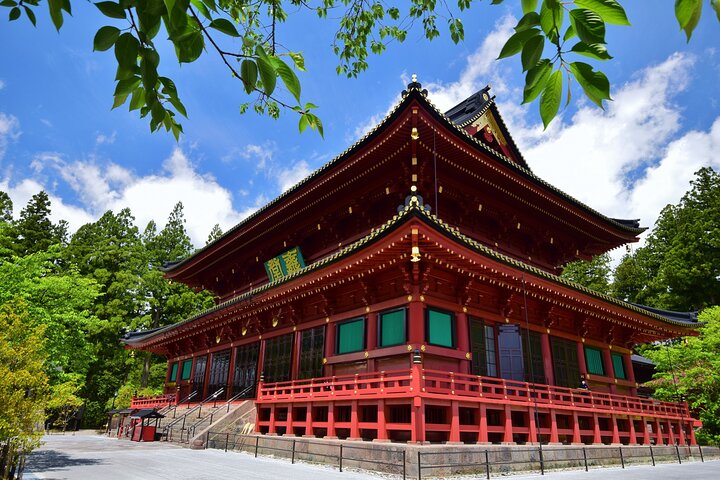
The first impression is woven wood and gold leaf: historic shrines stand beneath groves of ancient cedars, their carved guardians watching over the valley. That same valley is carved from volcanic geology—lakes formed in calderas, ridgelines of folded volcanic rock and granite, and streams that hurry downhill into dramatic drops. Kegon Falls, Lake Chuzenji, and Mount Nantai are the shorthand for this landscape, but the real draw is how easily you can move from cultural sites to wild places. The forests seem to breathe; trails edge ponds and then climb, and the rivers nudge you toward cascading viewpoints.
For practical planning, Nikko is deceptively simple to access from Tokyo by rail, which makes it an ideal overnight or long-weekend destination. Day-one priorities are usually shrines and the cultural core, leaving a full day for the park: waterfall viewpoints, lakeside paddles, and ridge hikes. Public buses connect many trailheads, but service can thin early or on weekdays, so factor in walking or a short taxi if you want to catch sunrise at a lake or summit. Lodging ranges from ryokan near the shrine to mountain minshuku and onsen hotels around the lake; base your nights on whether you want pre-dawn trail starts or relaxed evenings by hot water.
Local culture threads through the outdoor experience: respect at shrine sites, low-volume behavior on single-track trails, and an expectation that hikers carry out trash and keep noise down in quiet valleys. Food and fuel are practical considerations—small cafés and vendors cluster near the tourist core, while trailheads and remote loops may require packed food and water. Seasons shape your itinerary decisively: cherry and spring bloom open forest floors, summer thickens the canopy but brings sudden storms, and autumn paints the slopes in crimson and gold, creating the busiest windows for visitors. Plan early starts, alternate rainy-day activities like museum visits or shrine tours, and keep salt and water on hand for steep climbs.
PLAN YOUR VISIT
April, May, October, November
Spring brings cool, clear days and emerging greenery; summer can be warm and humid with afternoon showers; autumn offers crisp air and peak leaf color. Winter is snowy at higher elevations and quiet on the trails.
The busiest periods are the autumn foliage window and late April into early May; expect crowded viewpoints and book accommodation in advance and start hikes early to avoid peak crowds.
Winter and early spring provide solitude and lower rates, but some higher trails or facilities may be closed; follow route selection and be mindful of snowy or muddy terrain.
PACK WITH PURPOSE
FIND YOUR PACE
Advanced adventurers take on full-day alpine ascents, multi-day routes in Nikko National Park, and technical winter or early-spring itineraries.
Beginner-friendly options mix short shrine walks, lakeside strolls, and easy waterfall approaches on well-marked paths.
Intermediate travelers can handle steeper single-track, longer ridge walks, and mixed-surface cycling around scenic passes.
BEFORE YOU GO
Two to three days lets you cover the shrine complex, Kegon Falls, and a full day in Nikko National Park for a hike or lake activity without feeling rushed.
Many visitors self-guide using marked trails and local buses, but a guide is helpful for backcountry routes, language assistance, and custom day hikes that start before public transit.
Public buses link major trailheads to the shrine area and Lake Chuzenji; taxis and private transfers fill gaps when schedules are limited or you need an early start.
Yes, if you plan for afternoon showers—start early, carry a rain shell, and be prepared to pivot to lower-elevation loops or cultural sites if storms roll in.
Yes, calm sections of the lake are suitable for casual paddling and rental options are available, but check weather, wear a life jacket, and avoid windy afternoons.
Basic cafés and shops serve the tourist core, but remote trailheads have limited services—bring water, snacks, and any specialty gear before heading into the park.