Photo coming soon
VAYCAI · DESTINATION GUIDE
Manu National Park Travel Guide
Manu National Park stacks experiences: lowland rainforest wildlife viewing, cloud-forest hikes, and river journeys that stitch them together. Travelers typically pair canopy towers and boat runs with guided jungle walks and overnight eco-lodges to balance up-close encounters and restful immersion.
Manu RiverCloud ForestsMadre de DiosTambopata Basin
Explore experiences ↓Your guide to places, experiences, and adventures.
THE GOOD STUFF STARTS HERE
Experiences in Manu National Park.
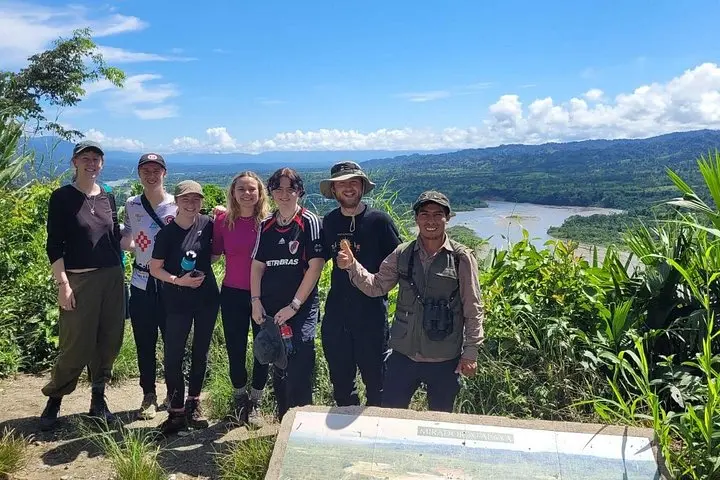
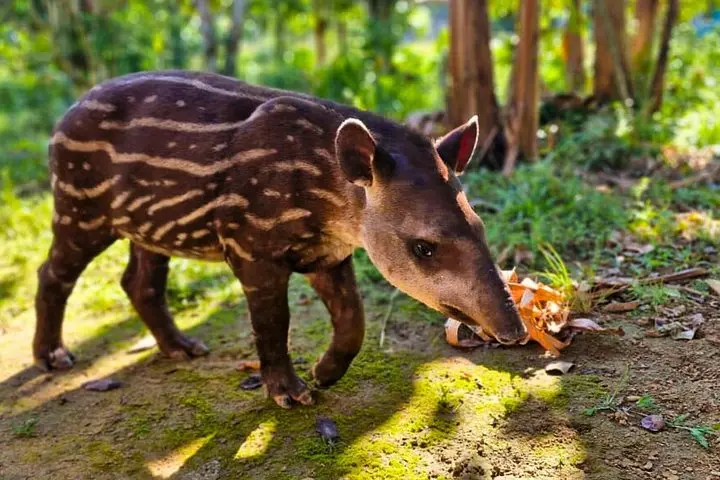
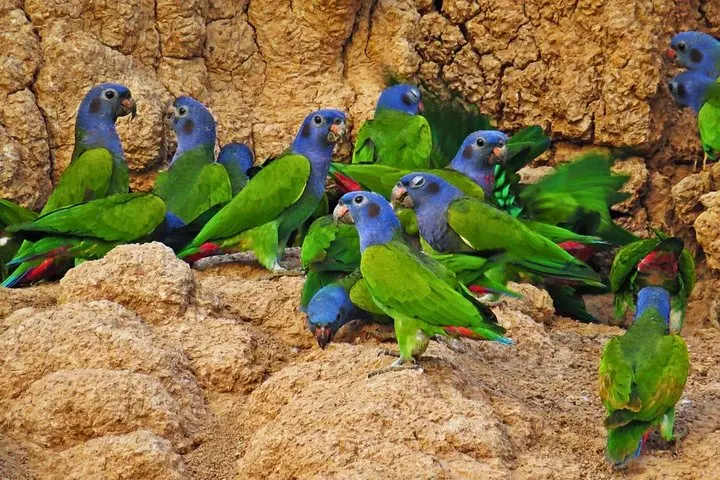
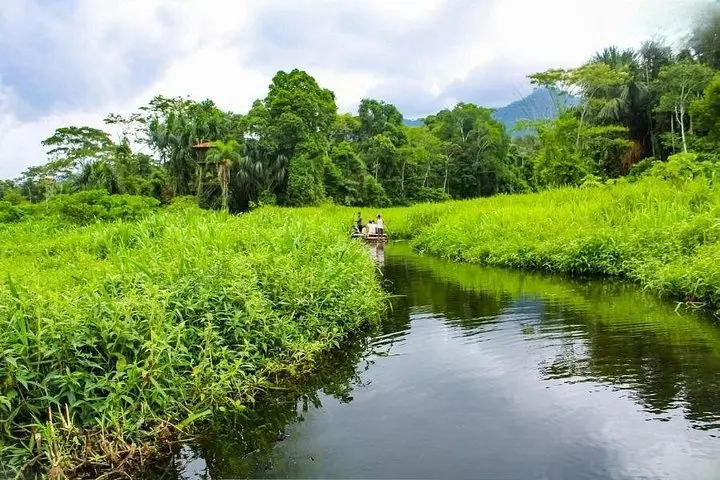
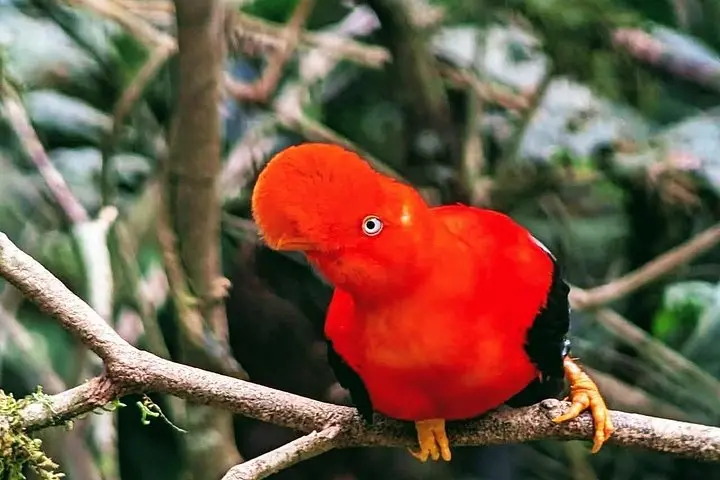
Pilcopata, Peru
2-Day Manu Jungle Tour from Cusco — Amazon Pona Lodge Wildlife Immersion
from $320.00USD
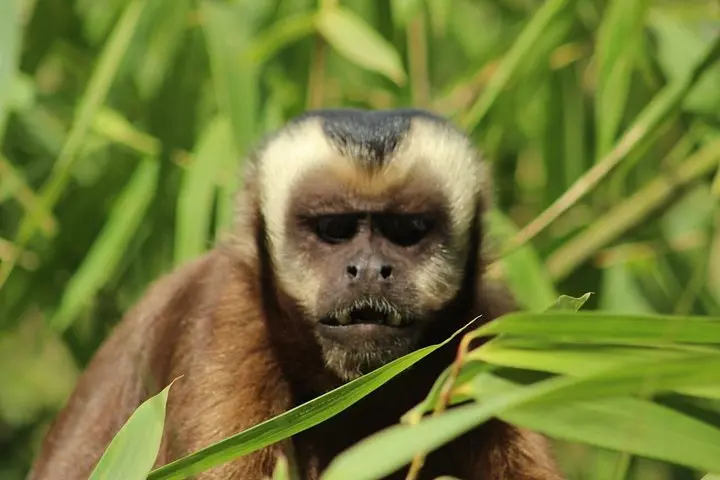
Puerto Maldonado, Peru
6-Day Manu National Park Jungle Expedition from Cusco to Puerto Maldonado
from $1,990.00USD
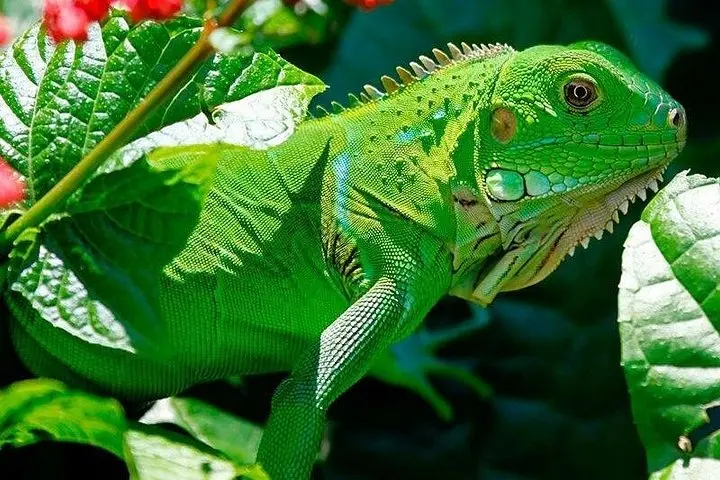
Pilcopata, Peru
Manu Jungle Tour (3 Days) — Parrot Clay Licks, Cloud Forests & River Rafting from Cusco
from $487.18USD
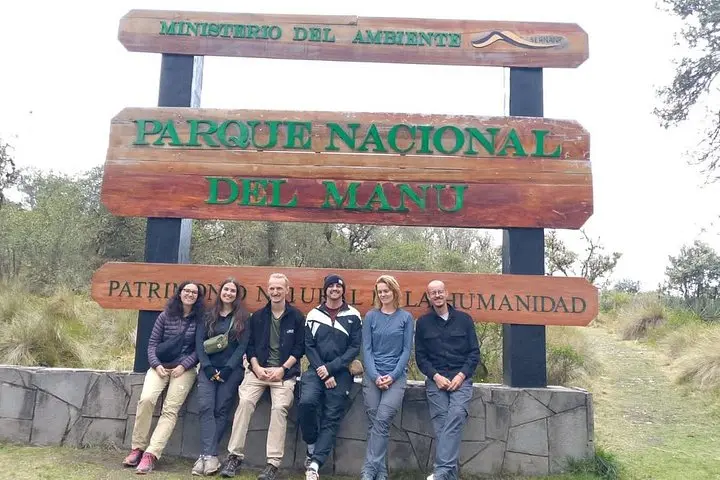
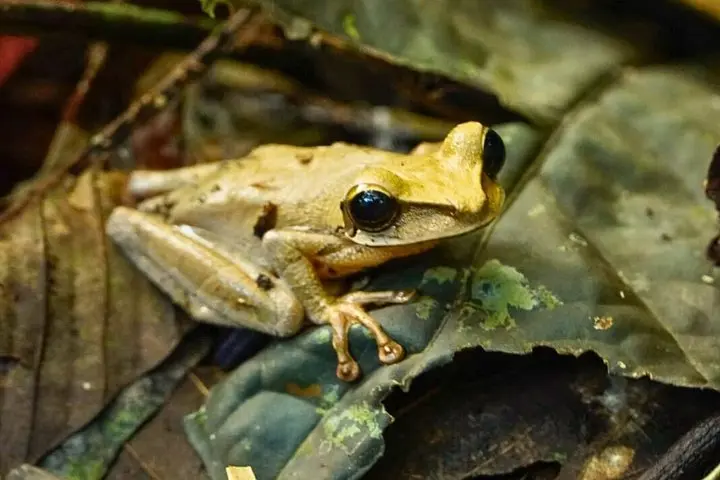
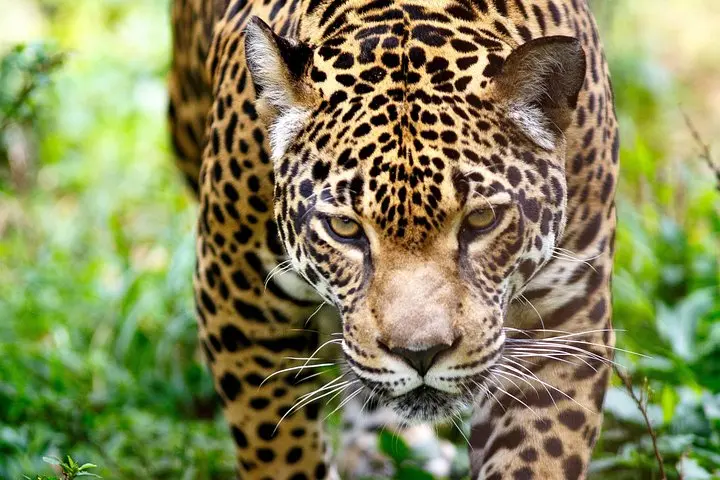
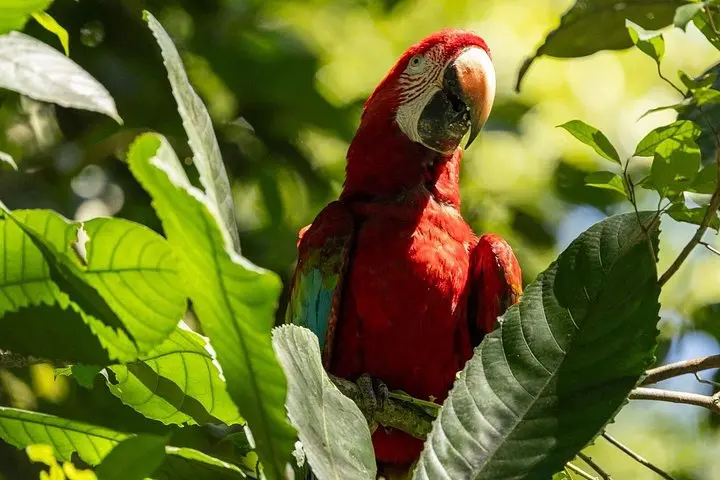
Manu National Park (Treehouse Inn area), Peru
3-Day Manu National Park Tour — Treehouse Inn, Macaw Clay Licks & Night Wildlife
from $590.00USD
Listed starting prices may vary by option, travel date and group size. Confirm the final total and availability on Viator. Sponsored links: we may earn a commission from qualifying bookings.
GET TO KNOW THE PLACE
Why Visit Manu National Park
Entering Manu is like crossing a threshold where ecosystems stack like chapters: Andean foothills give way to cloud forests and then to sprawling lowland Amazon. The transition is visible and audible — birds change their songs, moss thickens on trunks, and rivers widen. For travelers seeking biodiversity, solitude, and layered scenery, Manu is an unmatched classroom and cathedral.
Manu’s story begins in geology and geography: the eastern slopes of the Andes funnel moisture into cloud forests that then pour into the lowland Amazon basin. Those gradients create habitat variety — unique microclimates between mountain and river that support orchids, spectacled bears higher up, and tapirs in the lowlands. Human history is part of the landscape too. Indigenous communities have navigated these river corridors for generations, and decades of scientific exploration have made Manu a touchstone for conservation. When you walk a trail the rainforest answers in its own time; tree buttresses hold rainwater, and river channels nudge you downstream.
Access is part of the planning reality. Reachable from Puerto Maldonado or via long drives from Cusco, trips typically include a combination of road and river travel. Days are often dictated by water levels and weather; the dry season shortens river routes but improves trail conditions and bird visibility, while the wet season amplifies canoe access and nocturnal activity. Prioritize experiences: early-morning canopy tower birding, an afternoon river run looking for river dolphins and herons, and an evening guided night walk for frogs and insects. Guides are essential here — local knowledge turns brief sightings into memorable encounters and keeps safety practical when trails are slippery or water rises.
Practical timing and expectations matter. You won’t sprint through Manu; you’ll stack slow days: dawn watches, midday rest, late-afternoon patrols along streams. Lodging ranges from basic jungle stations to comfortable eco-lodges with guided programs. Meals are often family-style and tied to local produce. Because infrastructure is intentionally limited to protect the park, expect rustic comforts and the need to plan logistics in advance. Weather can change quickly; bring layered clothing and allow buffer time for river transfers. Thoughtful planning lets you focus on what Manu does best — revealing animal life in sequences that feel private, and offering the rare reward of uninterrupted wilderness.
Conservation-minded travel makes the visit richer. Choose operators who work with local communities and licensed guides, respect no-trace principles, and prioritize small-group experiences. That approach supports long-term research and sustains the deep-slung trails, canopy towers, and river routes that make Manu distinct. The park does not feel commodified: the forest keeps its pace, and successful trips are ones that slow down to follow it.
PLAN YOUR VISIT
When to go.
Best months
May, June, July, August, September
Weather
Manu has a wet season and a drier season; the drier months reduce trail muddiness and improve birding visibility while the wet season raises rivers and increases canoe access. Temperatures remain warm in the lowlands and cooler in cloud forests.
Peak season
The busiest travel window is the Southern Hemisphere dry season (June–August); book lodges and guides well in advance and start activities early to avoid mid-day heat and clouds.
Beyond the peak
Visiting in the wet season can mean fewer visitors, lush forest growth, and expanded river routes for paddling, but expect muddy trails, more mosquitoes, and occasional changes to overland transfers.
PACK WITH PURPOSE
What to bring.
optional
- Binoculars for birding
- Action camera or trail camera
- Field guide to Amazon birds and mammals
- Compact travel hammock
essential
- Lightweight long-sleeve layers and quick-dry base layers
- Waterproof rain shell
- Sturdy, closed-toe hiking shoes with good traction
- Insect repellent and antimalarial/health preparations as advised
- Sun protection: hat, sunglasses, SPF
- Reusable water bottle and water purification method
- Offline maps and a charged phone or GPS device
recommended
- Packable rain pants and dry bags for electronics
- Headlamp with fresh batteries
- Lightweight trekking poles
- Waterproof camera case or dry bag
- Small first-aid kit with blister supplies
FIND YOUR PACE
Choose your kind of adventure.
advanced
For experienced backcountry travelers seeking longer treks, extended river expeditions, and remote wildlife survey-style trips.
- Extended river-canoe expeditions into remote tributaries
- Multi-day jungle trekking with river crossings and basic camping
- Specialist birdwatching or mammal-tracking trips with pre-arranged research contacts
beginner
For travelers new to jungle environments who want guided, low-effort experiences focused on wildlife viewing and short walks.
- Canopy tower birdwatching at dawn with guided identification
- Gentle riverboat cruises to observe waterbirds and riverbanks
- Short, guided day hikes on well-maintained trails
intermediate
For active travelers comfortable with uneven terrain and multi-day trips who want to combine birding, paddling, and night excursions.
- Multi-day river journeys with daily guided hikes
- Mid-length cloud-forest treks with elevation gain
- Night walks to search for nocturnal amphibians and insects
BEFORE YOU GO
Your questions, answered.
Do I need a guide to visit Manu National Park?
Yes. Licensed guides are required in many zones and are essential for safety, wildlife spotting, and navigating river and trail logistics.
How many days should I plan for a meaningful visit?
Plan a minimum of 4–5 days to include travel time, a canopy or early-morning birding session, river excursions, and at least one night walk; a week enables deeper exploration.
Is Manu safe for solo travelers?
Solo travel is possible with the right planning, but joining a small-group trip or hiring a private guide is recommended for navigation, safety, and wildlife success.
Can I see iconic Amazon wildlife like tapirs and macaws?
Yes, Manu is known for high biodiversity and regular sightings of birds, primates, and large mammals, but wildlife viewing is never guaranteed and depends on season and patience.
How do I get to Manu from Cusco or Puerto Maldonado?
Typical routes include a road transfer from Cusco to Manu entrance points or flights to Puerto Maldonado followed by road and river transfers; expect full travel days and coordinate with operators for timing.
What happens if water levels or roads change my plans?
Operators and guides routinely adjust itineraries for water levels and road conditions; build buffer days into your schedule and confirm contingency plans in advance.