

Jerusalem, Israel
Classic 7-Day Israel Tour: Best of the Holy Lands — Jerusalem, Dead Sea & Galilee
from $9,000USD

VAYCAI · ATTRACTION GUIDE
City of David National Park layers archaeology and rugged urban hiking into a compact adventure: climb terraces, trace ancient waterworks, and watch the Old City skyline change with golden light. Stack a guided archaeological tour in the morning with a late-afternoon viewpoint above the Kidron Valley for maximum context and photo opportunities.
Your guide to places, experiences, and adventures.
Get to know the place
THE GOOD STUFF STARTS HERE
Jerusalem, Israel

Jerusalem, Israel

Jerusalem, Israel

Jerusalem, Israel


Jerusalem, Israel

Jerusalem, Israel




Jerusalem, Israel

Jerusalem, Israel

Jerusalem, Israel

Jerusalem, Israel


Jerusalem, Israel

Listed starting prices may vary by option, travel date and group size. Confirm the final total and availability on Viator. Sponsored links: we may earn a commission from qualifying bookings.
GET TO KNOW THE PLACE
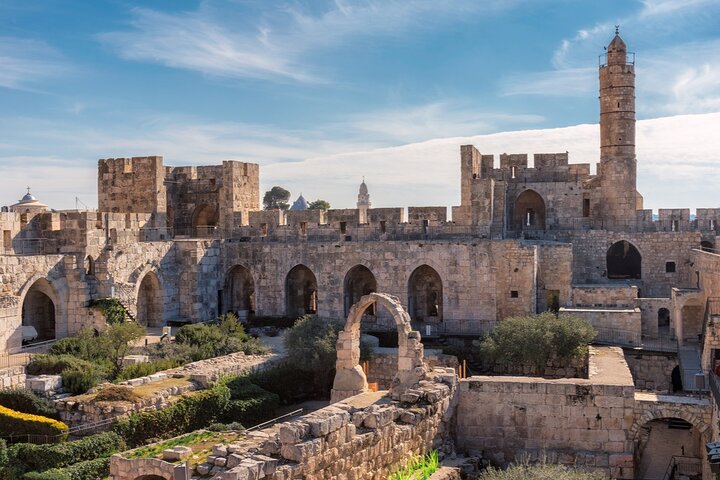
Step into a place where every path seems to reveal another layer of history. City of David National Park is compact but dense: narrow rock-cut channels, exposed ruins, and terraces that press up against modern neighborhoods. It's adventure travel without a backpack—short hikes, archaeology underfoot, and skyline views that reorient how you understand Jerusalem.
You arrive on foot, and the city answers with texture. Stones worn smooth by centuries hold the weight of stories; gullies and channels nudge you toward sculpted skylines and narrow excavation trenches. The site sits just outside the Old City walls in the village of Silwan, and its geology is local limestone—pocked and stratified—which both preserves ancient walls and makes footing variable. That means your movement here is deliberate: slow enough to read inscriptions, quick enough to beat the afternoon crowds. A short guided route will explain the site's Bronze and Iron Age phases, while interpretive signs fill in later periods. Nature plays a quiet role—the sun slants along ridge lines, and afternoon wind can push dust through exposed sections—so timing matters.
Historically, City of David is central to Jerusalem's layered identity. Archaeology here is active and visible; trenches, exposed foundations, and a reconstructed pool tie to water systems that sustained early settlers. Cultural context is immediate—neighbors live adjacent to ruins, and modern streets curve where ancient walls once stood. For planning, aim for early or late access windows to avoid midday heat and maximize light for photos. Wear shoes with good traction and be prepared for short steep stairways rather than long, even trails. Many visitors combine this visit with nearby Old City sectors, the Mount of Olives viewpoint, or the adjacent national park trails for a full-day loop that balances excavation time with skyline perspectives.
Access is straightforward but practical: public transport and short taxi rides reach the Old City perimeter, and from there it's a walk into the archaeological footprint. Guided tours are worth the premium for interpreting complex layers and helping with narrow passages; self-guided visitors should download maps and check entry points in advance. The experience stacks well: archaeological tour in the morning, a picnic or coffee break near a viewpoint, then a late-afternoon walk through adjacent valleys for broader landscape context. Keep an eye on seasonal weather—spring and autumn provide the most comfortable conditions for exploring exposed ruins.
PLAN YOUR VISIT
March, April, May, October, November
Spring and autumn are pleasantly warm with clear skies, ideal for walking exposed ruins; summers are hot and winter can bring occasional rain. Wind can pick up in exposed valleys, so layering is useful.
The busiest period aligns with spring months and religious holidays, bringing increased visitor numbers; plan to start early, book guided tours in advance, and expect queues at popular viewing points.
Winter and late summer offer fewer crowds and lower rates; some trenches may be muddier after rain, and route choices should account for wet limestone and any temporary closures.
PACK WITH PURPOSE
FIND YOUR PACE
Full-day, tightly scheduled explorations that combine multiple historic sites, early starts, and route planning to access less-visited viewpoints.
Short, low-effort experiences ideal for first-time visitors or families who want a strong historical payoff with minimal trail difficulty.
Longer walks and combined-site days that require more stamina and a willingness to navigate stairs and uneven limestone paths.
BEFORE YOU GO
No, you can visit self-guided, but a licensed archaeological guide adds context, navigates narrow sections, and often improves access to highlighted spots.
Plan for 1.5 to 3 hours for a focused visit; combine with nearby Old City sites for a half or full-day itinerary depending on your interests.
Many routes are family-friendly, but there are uneven terraces and steps; bring comfortable shoes and supervise children on exposed sections.
The site is a walkable distance from several Old City gates or a short taxi/ride service away; follow signage and local maps for entry points.
Carry a light rain shell, check local forecasts, and be prepared to shift to indoor options like nearby museums or cafes if heavy rain makes trenches slippery.
Follow posted signs and guide instructions, avoid restricted trenches, and stay on designated paths to protect both visitors and fragile archaeology.