THE ADVENTURE COLLECTIVE FIELD NOTES
A closer look at the journey.
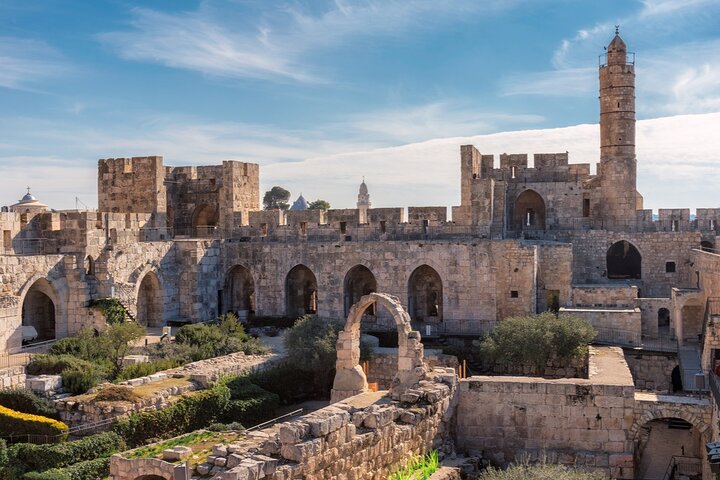
Morning light hits Jerusalem’s stone and the city moves in a rhythm you feel under your feet. You meet your guide at the hotel door, tighten laces, and step off into narrow lanes where traffic and history braid together. The run unfolds as a loop — modern downtown, a sweep past municipal parks, the high walls of the Old City, then the clamor of Machne Yehuda — all at a pace you choose.
Jerusalem’s layers are obvious as you move: Bronze Age ruins beneath Byzantine streets, Ottoman-era gates, and British Mandate boulevards that frame neighborhoods built in the 20th century. Geologically the city sits on limestone ridges; the hard stone gives streets their dry, echoing character and provides solid traction underfoot. Culturally the route crosses Judaism’s holiest sites, bustling market life, and secular cafés — each stop offering a different face of the city.
Expect cobbles, short climbs, and sudden crowds; the Old City approaches include tight turns and steps, while Jaffa Street and the Machne Yehuda area are wider and livelier. The guide will pace the group, show quiet cut-throughs, and pause for photos or brief historical notes.
Practical points: run early to avoid heat and market rush, carry a small bottle of water, wear supportive road or trail shoes, and bring a light layer for cool mornings. This tour blends a workout with a walking-history primer — efficient, sensory, and firmly urban.
Things to know before you go
Run early to avoid crowds
Depart at first light when streets are cooler and the Old City is less congested; markets are lively mid-morning but can be crowded.
Footwear matters
Choose supportive road or light trail shoes—cobblestones and short stair sections demand grip and stability.
Hydrate and carry ID
Bring a small water bottle and carry identification; the tour weaves between religious sites where security checks can occur.
Respect local customs
Dress modestly when passing holy sites and follow your guide’s instructions near sensitive areas to avoid interruptions.
Your questions, answered.
How long is the typical route?
Routes are flexible but commonly run 5–12 km; guide adapts distance to group fitness within the 40–180 minute window.
Is the tour suitable for beginners?
Yes if you have moderate fitness; expect some short climbs and uneven surfaces—inform the guide of any limitations.
Are holy sites entered during the run?
The tour passes significant religious sites and may pause outside for explanation; entry is subject to site rules and may require modest dress.
What languages does the guide speak?
Confirm at booking, but most guides provide commentary in English and may offer additional languages on request.