THE ADVENTURE COLLECTIVE FIELD NOTES
A closer look at the journey.
Dawn lifts over Muscat’s whitewashed skyline as the Al Hajar Mountains draw a hard line against the sky. The road curls west toward Nakhal, where a 1,500‑year‑old fort still sizes up the plain like it’s not done standing guard. Palm groves whisper and hot springs breathe steam; by mid‑day the track climbs into Wadi Bani Awf and Snake Canyon, where rock walls press close and gravity nudges every footstep to pay attention. Higher still, Jabal Shams opens like a book—Oman’s “Grand Canyon” paging out in terraces of limestone. Sunset there lingers, slow and deliberate.
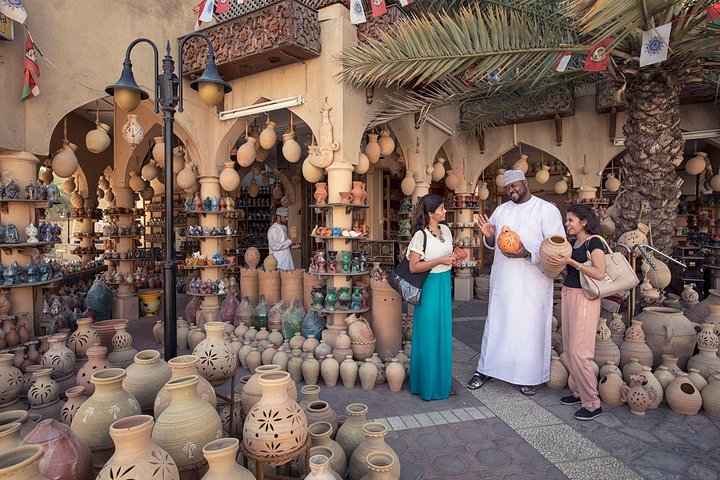
Across 12 days, this private 4WD circuit links Oman’s headline landscapes with moments that explain the place: the clay lanes of Misfat Al Abriyeen shaded by falaj channels; Nizwa’s fortress and souq where halwa perfumes the aisles; rose terraces and pomegranate orchards on Jabal Akhdar that defy the altitude with stubborn color. East, the Sharqiya Sands move under the wind’s command—dunes that climb, pause, and slide again as the light plays across their faces.
Water cuts the heat at Wadi Bani Khalid and Wadi Shab, where clear pools invite a swim and a short canyon hike rewards patience with a hidden waterfall. The coast keeps calling: Sur’s dhow yards still shape hulls by hand, and the beaches of Ras Al Hadd and Ras Al Jinz become runways for nesting green turtles after dark. Southbound, the road traces fishing villages, white dunes at Ras Ar Ruways, and the geological playground of Duqm’s Rock Garden—sandstone and limestone set like sculptures the sea forgot to reclaim.
At the far end, Dhofar changes the rules. Monsoon mists paint the hills in summer; blowholes at Al Mughsail thump like drums; frankincense trees at Wadi Dawkah grip the gravel and hold the history of trade routes that once tied Arabia to Rome and India. In Salalah, the ruins of Sumhuram stare out to Khor Rori, where ships once loaded resin for the world; Prophet Job’s Tomb watches the plain from a breezy ridge; at Al Hafah Market, the past leans in through smoke‑sweet incense.
Practicalities keep the journey smooth. Expect daily drives of 2–5 hours, with short hikes on uneven rock and sand, swims in wadis, and one desert camp night balanced by comfortable hotels. Heat is part of the story—hydrate heavily, wear sun‑smart layers, and time hiking early. Modest clothing and patience go far in souqs and villages. The route is a study in contrasts—canyon rim to sea cave, date palm to drifting dune—each day pushing forward, each stop adding another reason you’ll want to linger.
Things to know before you go
Hydrate like it’s summer—even in winter
Carry 2–3 liters per person on hiking days and add electrolytes; Oman’s dry heat pulls moisture fast, especially in canyons and deserts.
Dress for sun and culture
Lightweight long sleeves, a hat, and modest attire keep you comfortable and respectful in souqs, villages, and religious sites.
Footwear for rock and water
Closed‑toe water shoes or grippy trainers handle slick wadi rocks and short canyon scrambles better than sandals.
Turtle watching etiquette
At Ras Al Jinz, follow guides, keep distance, no lights or flash; let the turtles set the pace while you stay low and quiet.
Your questions, answered.
How strenuous is this trip?
It’s moderate: daily vehicle travel with short hikes (up to 3–4 km), wadi swims, and some off‑road 4WD segments. No technical climbing is involved.
Do I need to swim at Wadi Shab or Wadi Bani Khalid?
Swimming is optional but recommended. Life vests aren’t typically provided, so confident swimming is best for the cave section at Wadi Shab.
When is the best time to go?
October–April offers the most comfortable temperatures in the north; June–September brings the khareef monsoon to Dhofar with green hills and mist in Salalah but high heat up north.
What are accommodations like?
A mix of comfortable hotels and one desert camp night; most rooms are en‑suite with A/C. Mountain nights can be cool; bring a light layer.
What should I wear to visit markets and villages?
Modest clothing—shoulders and knees covered—works well for both comfort and cultural respect. A light scarf is useful for sun and sites.
Is mobile coverage available?
Coverage is good in towns and along main roads, patchy in canyons and desert. A local SIM in Muscat improves reliability.