THE ADVENTURE COLLECTIVE FIELD NOTES
A closer look at the journey.
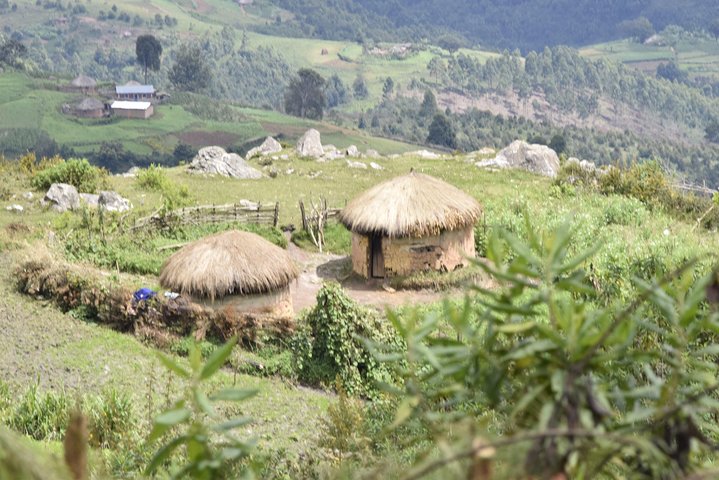
You step off the vehicle as the air changes — lake-breeze from Tanganyika on one side, cool forest breath from the Congo-Nile Ridge on the other. Streets of Bujumbura give way to tea terraces and the deep green of Kibira, where trails cut through mossed trees and rivers seem to pull you forward.
Burundi’s landscape is young highlands and old river routes. The Congo-Nile Ridge shapes views and local drainage; Karera Falls slices basalt and schist into stepping cascades, while the Rusizi River threads hippos and waterbirds between lake and marsh. Gitega, the kingdom’s historic heart, holds royal compounds and drums that mark a cultural continuity stretching back before colonial lines were drawn.
Over six days expect a mix of short hikes, short drives, and cultural stops: city orientations in Bujumbura, a guided walk in Kibira National Park (opportunities to see colobus monkeys and possibly chimpanzees), visits to the Source of the Nile and Karera Waterfalls, tea and coffee farm tours, plus museum and drum sites in Gitega. Guides lead transfers in private vehicles and handle park fees and logistics.
Practical note: roads outside main towns can be rough and rainy-season conditions slow travel. Bring sturdy walking shoes, layered clothing, insect protection, and a daypack for quick hikes. Hydration and sun protection matter at highland lookouts. The itinerary balances wildlife viewing, geology, and cultural context — pace yourself for consecutive travel days and book vaccinations and visas well in advance.
Things to know before you go
Prepare for variable roads
Many transfers run on unpaved or potholed routes; allow extra travel time and bring motion-sickness remedies if needed.
Rain can close trails
Long rains (roughly March–May) make forest paths muddy and sometimes impassable — reschedule hikes if the guide advises.
Protect against insects
Wear long sleeves and use EPA-approved repellents in Kibira and near rivers to reduce mosquito and tsetse exposure.
Cash for small purchases
Carry local francs for markets and small fees; ATMs outside Bujumbura and Gitega are limited.
Your questions, answered.
Do I need a visa to visit Burundi?
Most visitors require a visa; check current entry rules for your nationality and secure any required visas in advance or on arrival if eligible.
Is Kibira National Park safe for wildlife viewing?
Guided walks in Kibira are generally safe when led by experienced rangers; keep distance from wildlife and follow guide instructions.
What vaccinations or health preparations are recommended?
Consult a travel clinic: yellow fever proof may be required, and malaria prophylaxis is recommended for much of Burundi.
What language and currency should I expect?
Kirundi and French are common; Burundian Franc (BIF) is the local currency though major hotels accept cards in Bujumbura.