THE ADVENTURE COLLECTIVE FIELD NOTES
A closer look at the journey.
You start on two wheels with the lake breathing at your side — the pale edge of Lake Tanganyika unfolds like a moving horizon while the city hums behind you. The guide steers you through waterfront roads and quieter lanes, and soon the bikes climb toward views over Saga Beach and the sweep of water that defines Bujumbura.
This route strings together colonial-era waterfronts, post-independence markets and forested slopes leading to Mount Heha. Geologically, Lake Tanganyika is part of the western branch of the East African Rift; its deep waters shape local fisheries and the rivers that feed Rusizi National Park. Kibira National Park carries a cultural footprint too — tea plantations and canopy-walk opportunities reflect colonial-era agriculture and contemporary conservation efforts.
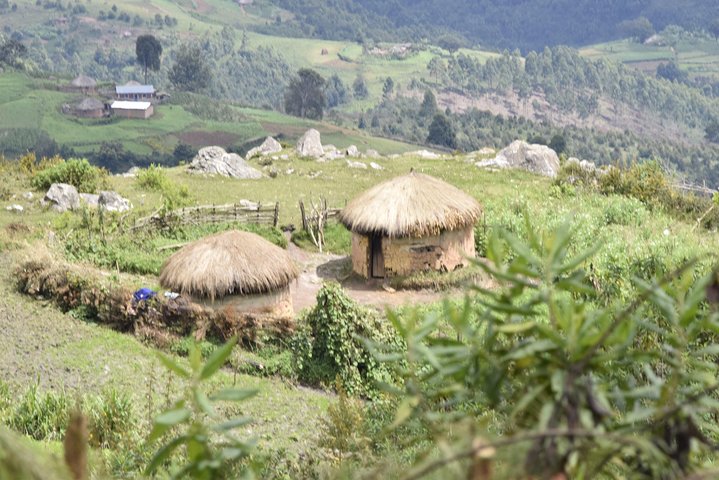
Expect varied terrain: paved lakeside roads, compact dirt tracks toward Heha, short forest trails at Kibira, and calm motorboat crossings on Rusizi. Wildlife appears in stages — shorebirds and the occasional monitor lizard along the water, and hippos sunning near the Rusizi delta. The trip blends urban photography stops with natural encounters, including an optional 30-minute picnic at a viewpoint above Mount Heha.
Practical notes: the tour supplies bicycles and private transport; wear flat-soled shoes, bring insect repellent and sun protection, and plan for changing weather — Kibira can be damp even if the city is dry. Boats on Lake Tanganyika are brief and generally calm, but keep distance from hippos and follow your guide’s instructions. For a first visit to Bujumbura, this half-day format gives a concentrated, accessible snapshot of the region’s landscapes, culture and wildlife.
Things to know before you go
Hydrate early and often
Carry at least 1–2 liters of water since cycling and warm sun can dehydrate you quickly.
Protect against insects
Bring DEET or a picaridin repellent and consider long sleeves for the Kibira canopy walk and Rusizi shoreline.
Use sun protection
Wear a hat, sunglasses and sunscreen — shoreline reflections increase UV exposure even on cloudy days.
Know hippo safety
Observe hippos from the guide-led shoreline or boat only; they are fast and territorial — never approach the water edge alone.
Your questions, answered.
Are bicycles provided?
Yes — the tour supplies bicycles and helmets; confirm fit and any size preferences when booking.
Will I see hippos up close?
Hippos can often be seen along Rusizi’s shores and from brief boat rides, but sightings depend on timing and animal behavior; maintain distance and follow your guide’s rules.
Is this suitable for beginners?
Yes for reasonably fit beginners comfortable riding 2–3 hours with short climbs; request an easier pace if needed.
What languages do guides speak?
Local guides commonly speak French and Kirundi; many also speak English—confirm language needs when you book.