THE ADVENTURE COLLECTIVE FIELD NOTES
A closer look at the journey.
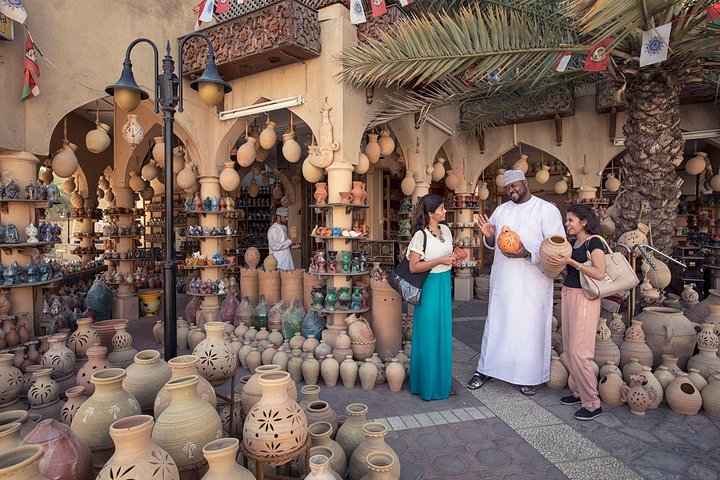
The morning light in Muscat strips the city down to clean lines: white domes of the Sultan Qaboos Grand Mosque catching the sun, the sea at Muttrah daring you to look closer, and low forts keeping watch over an old harbor. On a four-hour circuit you move from the cool hush of marble prayer halls to the alleys of a market where spices and silver trade stories louder than haggling voices.
Muscat grew as a strategic Arabian port between the Indian Ocean and the Gulf, its coastline shaped by tectonic uplift and a string of protective forts from the 16th–19th centuries. Cultural layers are visible—Islamic architecture, Omani merchant traditions, and modern royal patronage in institutions like the Royal Opera House.
Expect sensory contrasts: the mosque’s geometric calm, the Corniche’s breeze and ferry calls, and the souq’s scents—cardamom, frankincense, and roasted coffee. Old Muscat’s palace façade and flanking forts make for quick photo stops; small museums nearby contextualize Oman’s seafaring and frankincense trade.
Practically, this is a low-effort, tightly timed private tour with pickup at 09:00 and return by early afternoon. Modest dress is required at religious sites; security screenings at the mosque are routine. The itinerary includes entrance to one museum and the Royal Opera House, and both are compact visits that suit travelers who prefer guided context to wandering alone.
Plan for sun protection, light walking shoes, and a small daypack. Traffic can slow transfers between stops—factor a few extra minutes. For a half-day snapshot of Muscat’s architecture, markets and coastal character, this route delivers a concentrated, navigable primer on the city.
Things to know before you go
Respect dress codes
Wear modest clothing (shoulders and knees covered) for mosque visits; women should bring a headscarf if planning to enter prayer areas.
Hydrate early
Carry a refillable water bottle—the morning heat builds quickly and stops are short between sites.
Bring cash for the souq
Small vendors often prefer cash for spices, sweets and small souvenirs; have small OMR notes and coins ready.
Allow time for security
Mosque and some cultural sites have security checks—arrive punctually to avoid delays in the schedule.
Your questions, answered.
Is the Sultan Qaboos Grand Mosque open to non-Muslim visitors?
Yes—non-Muslims may visit during designated hours; modest dress and respectful behavior are required, and there is a security screening.
Are museum and Royal Opera House admissions included?
Entrance to one museum and the Royal Opera House is included as noted in the itinerary; check the itinerary for which museum is visited on your date.
Will the tour pick me up from my hotel?
Yes—this private tour includes pickup; you’ll provide a pickup point when booking and reconfirm pickup details with the operator.
Is this tour suitable for young children or those with limited mobility?
The tour is rated easy with short walks and is generally suitable for children and many with limited mobility, but mosque courtyards and some souq alleys are paved and may be uneven.