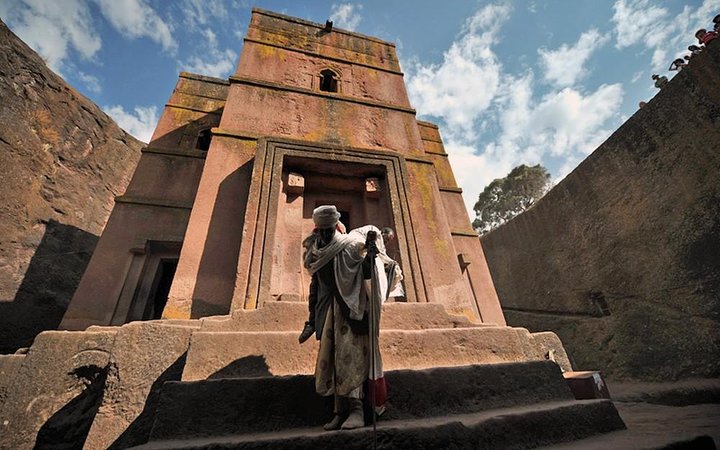
Lalibela Travel Guide

VAYCAI · DESTINATION GUIDE

Lalibela Travel Guide

Lalibela pairs tactile history with highland trails — stack sunrise visits to the rock-hewn churches with ridge walks across the Lasta plateau and village-level cultural stops. Days are best planned as a sequence: early church tours, midday hikes to viewpoints, and late-afternoon village visits to sample coffee rituals and local cuisine.

Lasta MountainsAmhara RegionRock-Hewn ChurchesAfar Escarpment
Explore experiences ↓

Your guide to places, experiences, and adventures.

Get to know the place

Attractions worth a closer look.

MAKE IT PART OF YOUR TRIP

Experiences in Lalibela.

GET TO KNOW THE PLACE

Why Travel to Lalibela

Step into a landscape where people and stone have shaped each other. Lalibela’s rock-hewn churches are the obvious draw, but the surrounding Lasta highlands—its ridgelines, gullies and villages—turn each visit into a layered adventure of hiking, cultural exchange, and quiet observation.

The town itself is a study in purposeful architecture: churches carved downward into living rock, connected by narrow trenches and stepped courtyards. Walk the interlocking pathways at dawn when light cuts into relief and the highland air cools the stone. The geology is simple to read here—the plateau holds, the gullies drain—so hikers quickly learn where to tread and where slopes give way to dramatic drops. On clear mornings the ridgelines hold your gaze; clouds roll in with authority during the wet months and can redraw a route by afternoon.

Historically, Lalibela is a pilgrimage center shaped by medieval kings and devout communities. The churches are active religious sites, so visits are both archaeological and living: expect to encounter worshippers, processions, and priests. Culturally, hospitality is tangible—coffee ceremonies and invitations to local homes are common if you approach with respect and curiosity. Practically, plan your days around early starts for major sites, reserve a licensed guide for in-depth interpretation, and cluster outdoor activities to avoid midday heat or afternoon storms. Road access to the town is straightforward from regional hubs but can be slow; allow buffer time for connections.

Prioritize: sunrise at the most accessible rock-hewn churches, a midday ridge walk to a panoramic viewpoint, and a late afternoon village visit to absorb local rhythms. If you have a full day, combine a guided church circuit with a half-day hike on the surrounding plateau; multi-day options extend into more remote Lasta valleys for those wanting classic highland trekking. Altitude is moderate—bring layers and a steady pace for hiking. Ultimately, Lalibela rewards slow travel: move deliberately, book trusted guides, and plan weather contingencies for the highland terrain.

PLAN YOUR VISIT

When to go.

Best months

October, November, December, January, February

Weather

The highland climate is clearest and coolest from October through February, offering reliable hiking conditions and crisp visibility; the main rainy season runs roughly June through September and brings muddy trails and reduced access. Evenings can be chilly year-round.

Peak season

Peak visitation concentrates in the dry months and around major Ethiopian religious holidays; plan and book early for accommodations and guides during those periods.

Beyond the peak

Traveling in shoulder or wet months yields lower prices and fewer crowds but requires flexibility, waterproof gear, and awareness that some routes and dirt roads may be slippery or impassable.

PACK WITH PURPOSE

What to bring.

optional

  • Binoculars for ridge and bird viewing
  • Compact picnic kit for viewpoint lunches
  • Action camera for hands-free photo capture

essential

  • Layered clothing for cool mornings and sun-warm afternoons
  • Sturdy traction footwear for carved stone and rocky trails
  • Sun protection (hat, sunglasses, SPF)
  • Reusable water bottle and water purification method
  • Offline map or GPS app and a charged phone

recommended

  • Light rain shell for sudden highland showers
  • Headlamp for early starts or cave-like church interiors
  • Trekking poles for uneven descents
  • Dry bag for electronics on dusty or wet days

FIND YOUR PACE

Choose your kind of adventure.

advanced

Multi-day treks and route-finding on remote Lasta plateaus with exposed terrain and longer approaches.

  • Multi-day highland trekking with camping on the Lasta plateau
  • Remote ridge navigation and mixed-terrain scrambles
  • Extended cultural trekking circuits linking multiple villages

beginner

Accessible activities that require minimal technical skill and a comfortable fitness level.

  • Guided walking tours of the main rock-hewn churches
  • Short village walks and coffee ceremony visits
  • Easy viewpoint strolls on nearby plateau paths

intermediate

Longer day hikes and longer days on foot across uneven highland terrain.

  • Full-day ridge and plateau hikes around Lalibela
  • Sunrise photography walks to elevated church overlooks
  • Half-day guided treks to neighboring villages and lookout points

BEFORE YOU GO

Your questions, answered.

Do I need a guide to visit the rock-hewn churches?

A licensed guide is not always mandatory but strongly recommended for interpretation, respectful access, and to navigate timings during religious services.

How many days should I allow to explore Lalibela and nearby highlands?

Plan at least two full days for the main churches and a half-day hike; three to four days lets you add longer ridge walks or day trips to surrounding villages.

Is altitude a major concern for Lalibela visitors?

Altitude is moderate; most travelers acclimate quickly, but bring layers, hydrate, and avoid aggressive exertion on arrival day if you feel unwell.

Are roads and transfers reliable?

Regional roads are generally passable but can be slow and affected by weather; allow extra time for transfers and book reputable transport where possible.

What are sensible safety precautions for hiking here?

Use sturdy footwear for uneven terrain, travel with a guide for remote routes, check weather forecasts, and carry basic first-aid and water supplies.

Can I combine Lalibela with other Ethiopian highlights?

Yes; Lalibela pairs naturally with northern circuit destinations in Amhara and Tigray as part of a regional cultural and trekking itinerary, but allow travel time between hubs.