

VAYCAI · ATTRACTION GUIDE
Rock-Hewn Churches of Lalibela Visitor Guide
Lalibela pairs pilgrimage and rugged highland exploration: stack church circuits with short hikes to cliffside viewpoints, village walks, and market stops for local crafts. Days are best paced—mornings inside the carved sanctuaries, afternoons on nearby ridges watching storms roll over the plateau.
Lalibela TownAmhara HighlandsZagwe Rock PlateauYemrehana Krestos Church
Explore experiences ↓Your guide to places, experiences, and adventures.
THE GOOD STUFF STARTS HERE
Experiences in Lalibela.

Lalibela, Ethiopia
Lalibela Rock Churches Guided Tour — St. George & Medieval Ethiopia
from $251.91USD

Lalibela, Ethiopia
Lalibela Eco Trek: 4-Day Community-Based Hike to Abune Yousef and Gelada Country
from $550USD


Lalibela, Ethiopia
Inside Lalibela: 2-Day Cultural Tour with Coffee Ceremony & Rock-Hewn Churches
from $23USD


Lalibela, Ethiopia
Lalibela 2-Day Eco Trek: Trek to Atabkit Escarpment and Highland Village Stay
from $218.33USD

Lalibela, Ethiopia
Asheton Maryam Monastery Trek — Full-Day Eco & Community Walk from Lalibela
from $90USD


Lalibela, Ethiopia
Explore Lalibela's Rock-Hewn Churches: Full-Day Guided Tour with Pickup
from $245USD

Lalibela, Ethiopia
Lalibela 3-Day Rock-Hewn Churches Tour: Asheton Mariam Hike & Yimrehane Kirstos
from $300USD

Lalibela, Ethiopia
Lasta Mountains Highland Eco Trek from Lalibela — Full-Day Hike to Asheten Maryam
from $98.37USD

Lalibela, Ethiopia
Lalibela 6-Day Hiking & Cultural Tour: Hudad Mountains, Rock-Hewn Churches & Community Lodge
from $1,397USD

Lalibela, Ethiopia
Blue Nile Falls and Lalibela Rock-Hewn Churches: 3-Day Cultural Highlands Tour
from $1,424.49USD

Lalibela, Ethiopia
Lalibela One Night, Two Days: Rock-Hewn Churches & Morning Ceremonies
from $384.62USD


Lalibela, Ethiopia
7-Day Lalibela & Hawassa Lake Tour: Rock-Hewn Churches, Rift Valley Birds & Coffee Culture
from $2,150USD


Lalibela, Ethiopia
Lalibela, Omo Valley & Harar: 6-Day Cultural and Wildlife Overland Tour
from $3,000USD
Lalibela, Ethiopia
Lalibela Rock-Churches Walking Tour: Full-Day Cultural Hike Through Stone Monasteries
from $25.65USD

Lalibela, Ethiopia
Exploring Lalibela's Rock-Hewn Churches: One-Day Tour, Villages & Coffee Ceremony
from $486USD
Listed starting prices may vary by option, travel date and group size. Confirm the final total and availability on Viator. Sponsored links: we may earn a commission from qualifying bookings.
GET TO KNOW THE PLACE
Why Lalibela
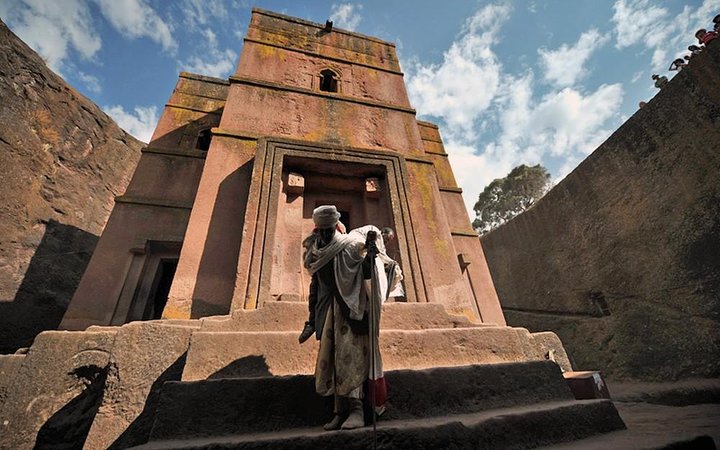
Approach Lalibela and the town seems to grow from the bedrock itself: hand-carved sanctuaries cut down into the earth, courtyards that catch the light, and alleys that funnel pilgrims between chapels. This is a place where short hikes and cultural immersion stack neatly—each walk delivers history, geology, and a view.
The rock-hewn churches of Lalibela are both architectural marvels and anchors of living faith. Carved in the 12th and 13th centuries under the Zagwe dynasty, these monoliths were hewn directly from volcanic tuff and sculpted into cruciform and basilica shapes. The geology matters: the soft, workable stone made precise carving possible and also gives the churches their warm, earthen tones. Walking the circuit, you’ll feel the plateau hold the town steady; winds nudge the ridgelines and clouds can move fast across those highlands. Expect close-up details—columns, carved windows, and ancient frescoes—punctuated by the wide, open air of the surrounding hills.
Culture here is immediate. Pilgrims in white shawls move through courtyards, priests chant with small hand-held crosses, and markets near the main square sell woven goods, coffee, and injera. Practical planning shapes the experience: most visitors arrive by regional flight or long road transfer from Bahir Dar or Addis Ababa, then stay in lodges or guesthouses in town. A typical day stacks an early morning church circuit when light and cooler air are best, a late-morning market visit, and a mid-afternoon hike to a viewpoint. Bring sensible footwear and time for slow exploration; some church entries require stooping and careful footing on worn stone.
Access is straightforward but deserves respect. The town’s elevation brings cool nights and strong sun in the day, so layer clothing. Local guides are available and enhance the journey—guides explain liturgy, iconography, and the subtle differences between chapels, and they can help navigate etiquette during services. If you want quieter moments, plan for sunrise or late afternoon; those hours often pull the crowds back into communal rituals and open up more peaceful corners for reflection. Above all, treat the churches as active places of worship: photography and movement should follow local guidance to preserve both experience and tradition.
PLAN YOUR VISIT
When to go.
Best months
October, November, December, January, February
Weather
The highland climate favors clear, dry months from October through February with cool nights and sunny days; the summer months bring heavier rains and muddier trails. Expect sun intensity at altitude even when temperatures feel mild.
Peak season
Peak visitation aligns with the dry months and major religious holidays; plan ahead, start early in the day, and book lodging and guides in advance for the busiest periods.
Beyond the peak
Visiting in the shoulder or rainy season can mean quieter sites and lower prices, but be ready for slippery paths and occasional limited access to some viewpoints; adapt plans and follow local guidance.
PACK WITH PURPOSE
What to bring.
optional
- Binoculars for distant ridge and bird viewing
- Compact travel umbrella or poncho
- Small picnic kit for viewpoint lunches
essential
- Layered clothing for cool mornings and warm afternoons
- Sturdy, grippy walking shoes or ankle-support footwear
- Sun protection (hat, sunglasses, sunscreen)
- Reusable water bottle and water purification tablets or filters
- Offline map or guidebook and a small daypack
recommended
- Light rain shell or windbreaker
- Headlamp or compact flashlight
- Trekking poles for uneven steps and steep viewpoints
FIND YOUR PACE
Choose your kind of adventure.
advanced
Advanced adventurers can combine multi-day trekking, off-the-beaten-path village exploration, and extended photography or study of rock architecture.
- Multi-day trek across surrounding highland plateaus
- Extended archaeological and architectural study walks
- Backcountry camping and sunrise photography sessions
beginner
Beginner travelers can enjoy short, low-elevation walks and cultural walking tours in town with minimal technical demands.
- Guided church circuit walking tour
- Short village walks and market visits
- Easy viewpoint strolls near town
intermediate
Intermediate visitors can add longer ridge hikes, multi-site days, and modest off-road transfers to explore outlying viewpoints.
- Half-day ridge hikes for panoramic vistas
- Full-day cultural and landscape loop with local guide
- Mule or jeep transfers to remote lookout points
BEFORE YOU GO
Your questions, answered.
Do I need a guide to visit the rock-hewn churches?
A guide isn’t strictly required but is strongly recommended—guides explain history, liturgy, and etiquette and streamline access during services.
How much walking or hiking should I expect?
Expect moderate walking: stone steps, narrow alleys, and short uphill hikes to viewpoints; plan for several hours of walking spread across a day.
Is Lalibela safe for solo travelers?
Lalibela is generally safe for visitors who use common-sense precautions: keep valuables secure, avoid isolated areas at night, and follow local advice on ceremonies and photography.
How many days should I spend in Lalibela?
A focused two- to three-day visit covers the main church circuit and a couple of hikes or village visits; extend your stay to explore surrounding highlands at a relaxed pace.
What should I wear when visiting the churches?
Dress modestly out of respect—shoulders and knees covered are appropriate. A light scarf is useful for women during services, and comfortable shoes are essential.
How should I adapt plans if the weather turns?
Have a flexible schedule: shift indoor church visits to rainy hours, choose shorter walks, and confirm vehicle transfers early when roads are wet or visibility is poor.